Contents:
From the rare double-headed curiosity to the low-mintage treasures listed in every serious rare 5 cent coins Australia catalogue, the Australian 5 cent coin has proven its enduring fascination. This item is one of the rarest Australian coins.
Introduction
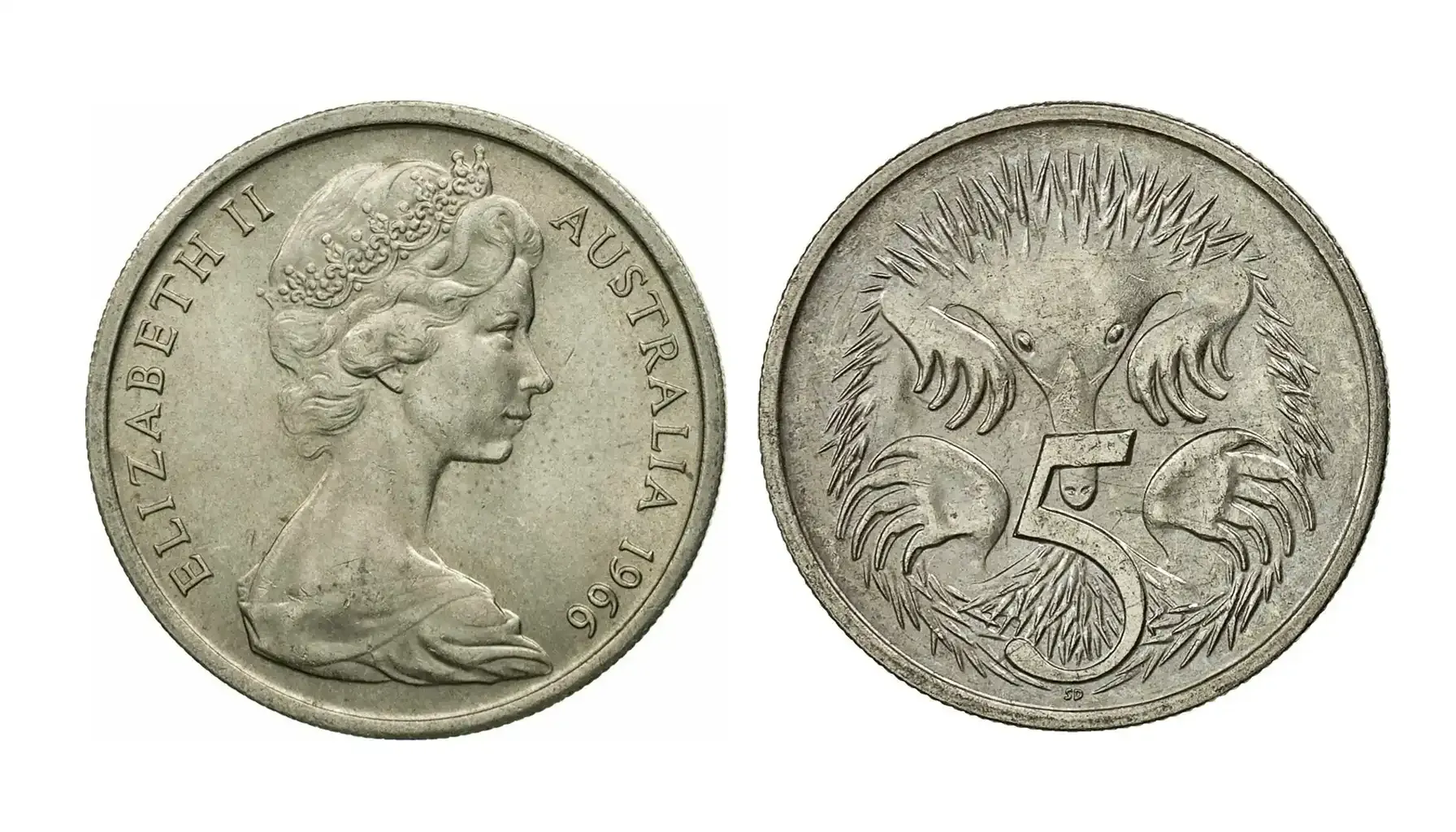
The Australian 5 cent has served as one of the smallest denominations in modern Australian currency since decimalisation in 1966. Despite its modest face value, it has become a surprising subject of fascination among numismatists.
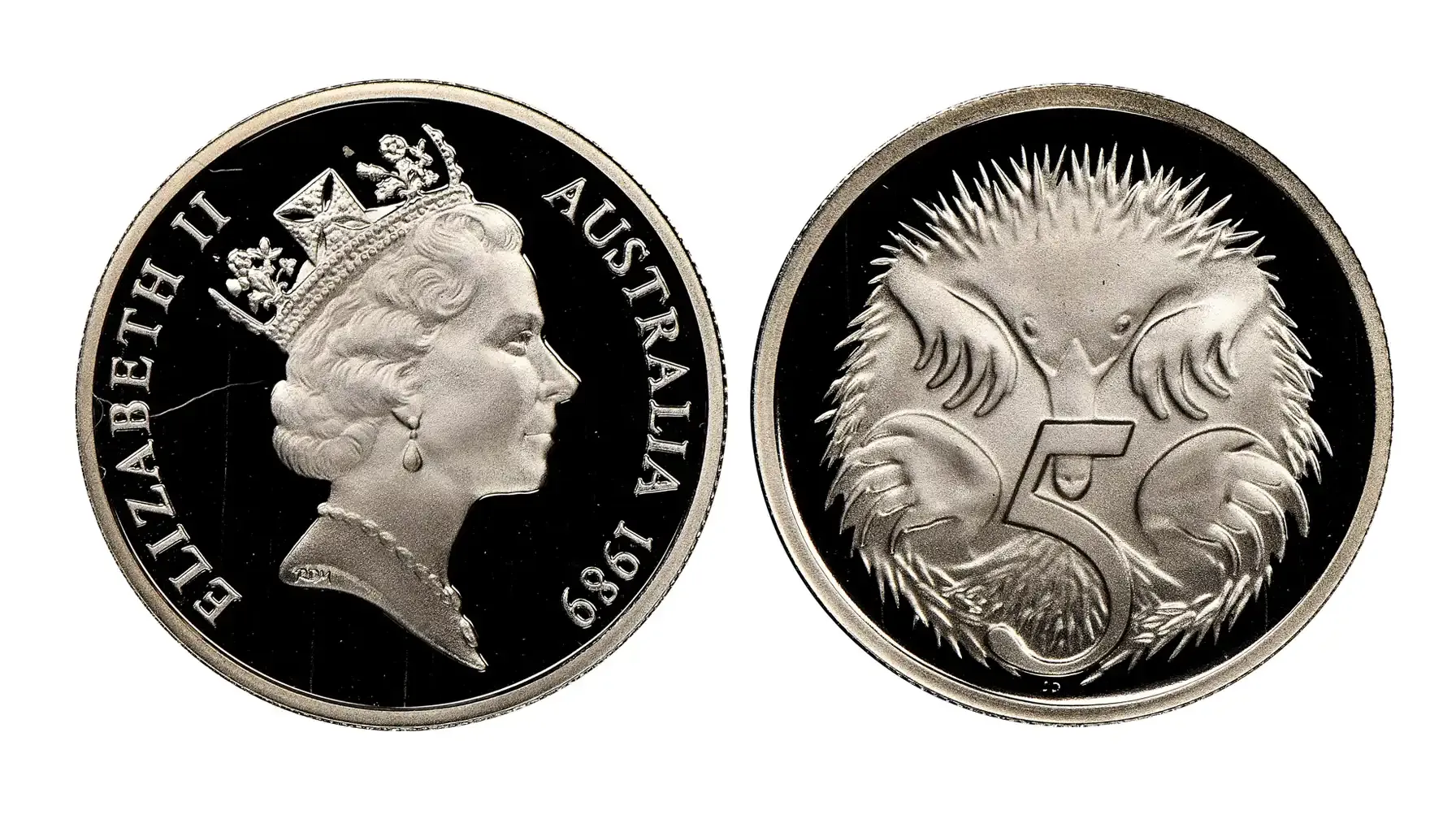
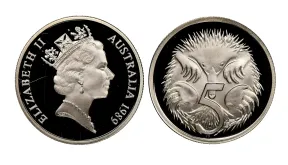
Composition | 75% Copper, 25% Nickel |
Shape | Circular |
Edge | Milled |
Mass | 2.83 grams (smaller then 10 cent) |
Diameter | 19.41 millimeters |
The Double Headed 5 Cent Coin – A Numismatic Curiosity
The double headed item is one of the most popular minting anomalies in Australian numismatic history. In rare instances, both sides display the portrait of Queen Elizabeth II — a product of mismatched dies accidentally paired during production. These species never entered circulation intentionally, yet a few examples surfaced. The items create strong excitement among experts and casual finders alike.
The Royal Australian Mint described such production errors as extremely rare and highly improbable.
“The fact that it has double heads is really what makes it desirable and valuable.”
– Scott Waterman, director of Roxbury
Yahoo Finance
Authentic double-headed species have appeared at auctions, fetching hundreds or even thousands of dollars depending on condition. Counterfeits exist, so collectors must verify weight, metal composition, and die alignment before purchase.
Type | Market Value | Features |
Genuine Double Headed | $500 – $2,500 | Both sides show Queen Elizabeth II |
Misaligned Die Error | $50 – $200 | Slight double strike on one |
Machined Fake | $1 – $20 | Two coins fused or altered |
Understanding the 5 Cent Coin Value Chart
The value of any Australian 5 cent coin depends on its date, condition, and rarity. While most examples remain worth only face value, the chart published by major numismatic guides.
It shows how scarcity and demand can push certain issues far above their nominal price. Uncirculated or proof strikes often command strong interest because they preserve the item’s original mint brilliance.
Grading agencies evaluate coins based on strike clarity, luster, and the presence of wear. A 1966 currency, the first year of issue, often draws attention when found in pristine state. Mintages from 1972 or 1985 years with limited production – frequently appear at the top of valuation charts.
Fine Grade: Circulated, visible wear $0.10 – $0.25
Extremely Fine Grade: Light wear, sharp details $0.50 – $1.50
Uncirculated: No wear, full mint luster $3 – $10
Proof Grade: Collector issue with mirror finish $15 – $30
These values vary by date and mint, so collectors refer to the 5 cent coin value chart for the most current listings. Such guides help track market shifts and reveal when specific issues gain renewed demand.
Rare and Valuable 5 Cent Coins in Australia
Australia’s minting history includes several species that earned legendary status within the rare Australian 5 cent coins list. Some owe their rarity to low mintages, while others gained value from production mistakes or limited proof issues.
Year | Approximate Value (USD) | Features |
1972 | $20 – $100+ | Extremely low mintage (8.3 million) |
1985 | $35+ | Limited release in mint sets only |
2001 | $40-$70 | Die crack that runs from the number 5 on the reverse |
2007 | $1,000 – $5,000+ | Double-headed error variety |
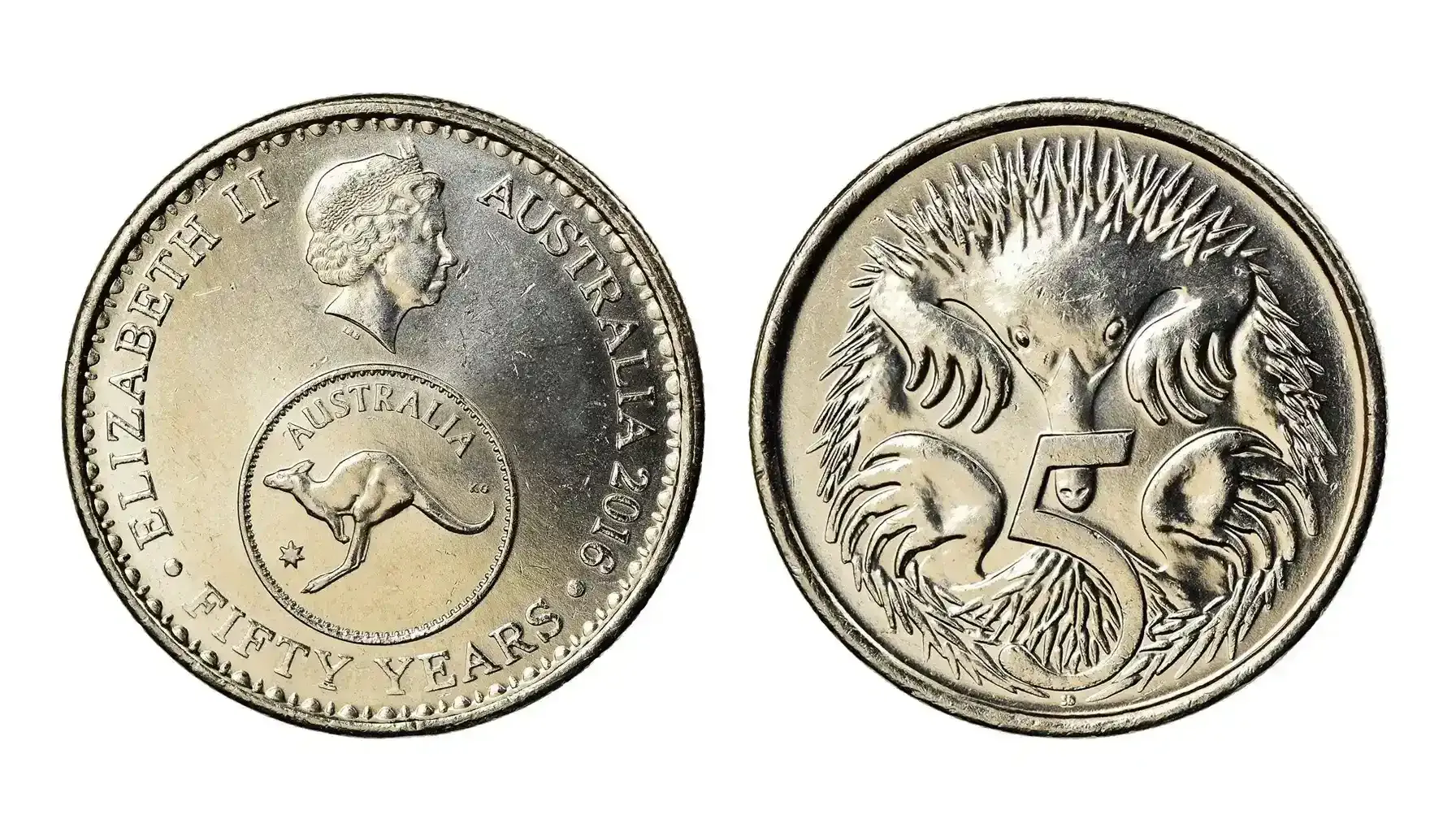
2016 | $300 – $4,000 | 50th Anniversary of Decimalisation |
2019 | ~$2000 | JC Effigy transition issue |
In 2007, mint workers accidentally used two obverse dies when striking 5‑cent coins, producing pieces with dual heads. Collectors then released these error coins into circulation. Over the past 8 years, numismatists have identified isolated specimens. It values each at a minimum of $1,000. Because of their pristine condition, uncirculated examples routinely sell for more than $2,000.
In 2016, during Changeover five‑cent production, an empty strike occurred when an obverse and reverse die pair activated without a planchet. The collision transferred part of the reverse die’s design to the obverse die.
All items thereafter bore an anomalous feature: alien antenna‑like extensions emerging from the top of the obverse penny motif. This clash‑die variety commands premiums of $300+ in the market, though sightings remain exceedingly rare.
A few valuable rare Australian 5 cent coins emerged from experimental runs, such as test strikes in nickel-plated steel or coins struck slightly off-centre. These small differences created huge interest in auction markets.
Collectors now monitor both official Royal Australian Mint releases and public discoveries for new listings that could expand the known database of 5 cent coins worth money.
Experts note that patience and documentation remain vital for anyone compiling a rare 5 cent coin Australia list.
The Future of the 5 Cent Coin in Australia
The question of whether Australia will retain the 5 cent has appeared regularly in public debate. Rising production costs, digital payments, and declining use have all challenged its long-term survival.
The Royal Australian Mint continues to produce small batches for circulation and collectors, though officials have acknowledged future changes remain possible. The Compare to 20 cent, 5 cent piece has carried the image of an echidna (not a platypus) for nearly six decades, representing not only currency but cultural continuity.

 Facebook
  X (Twitter)
  Pinterest
  LinkedIn