Contents:
Nowadays, bits have the most peculiar patterns. Some feature confusing patterns, others feature people, architecture… Animals as a design choice appear rather seldom. The design was quite prevalent in the past. Today, we will analyze turtle coins, their history, and values.
Old and new bits are elusive. An app to identify coins will help recognize these bits and assign value to them.
What Is a Turtle Coin?
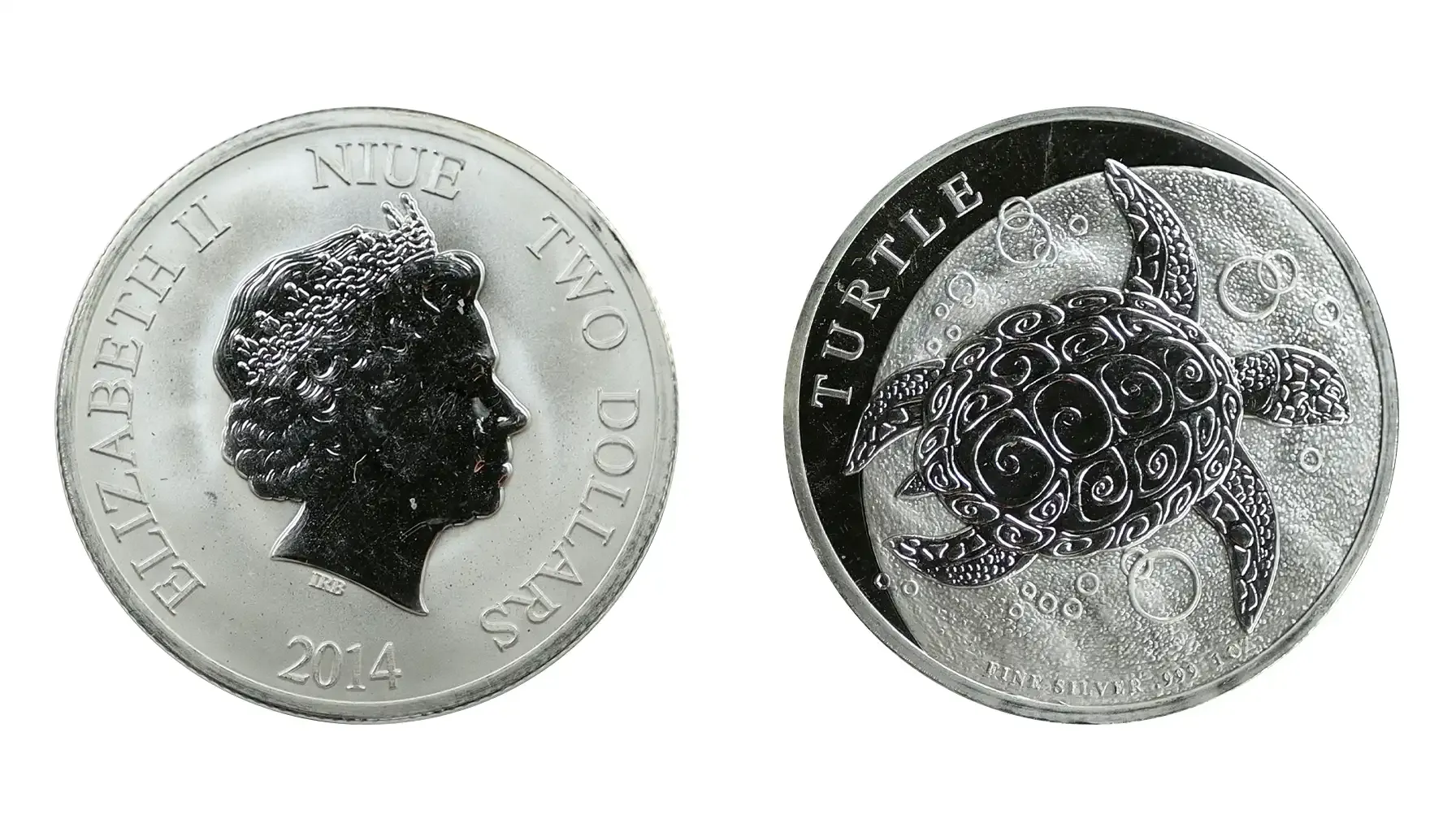
Bits that show a turtle as their prominent design are called turtle coins. If you want to go into technicalities, a tortoise (the land animal) also counts.
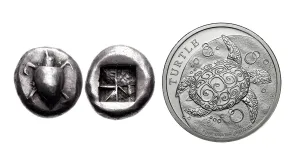
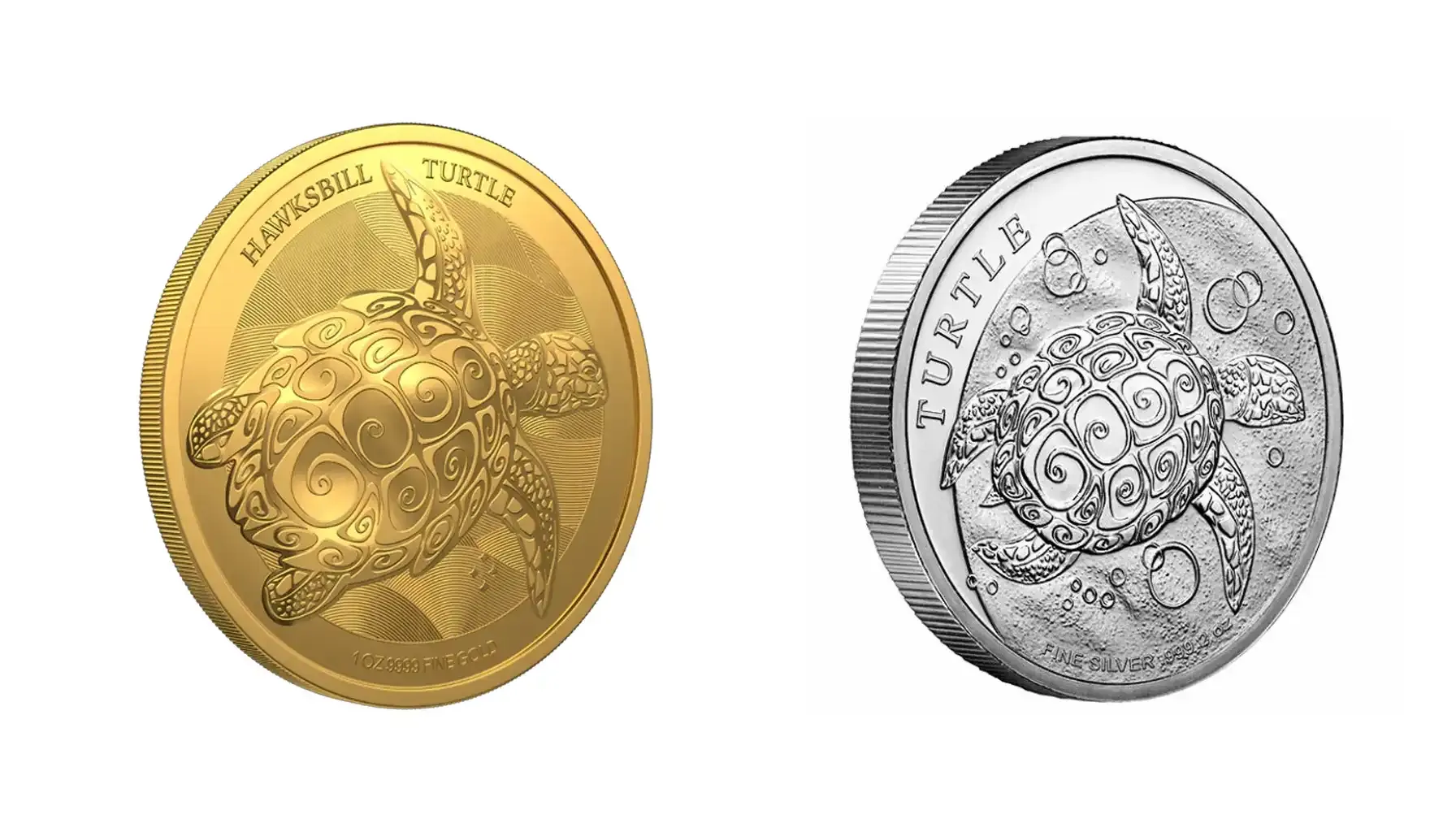
The tortoise motif has appeared across cultures and eras. Modern New Zealand coins show this animal on their Silver Taku, showing an indigenous species. However, the most famous bit featuring such an animal is much older. Ancient, even.
The Ancient Aegina Turtle Coin
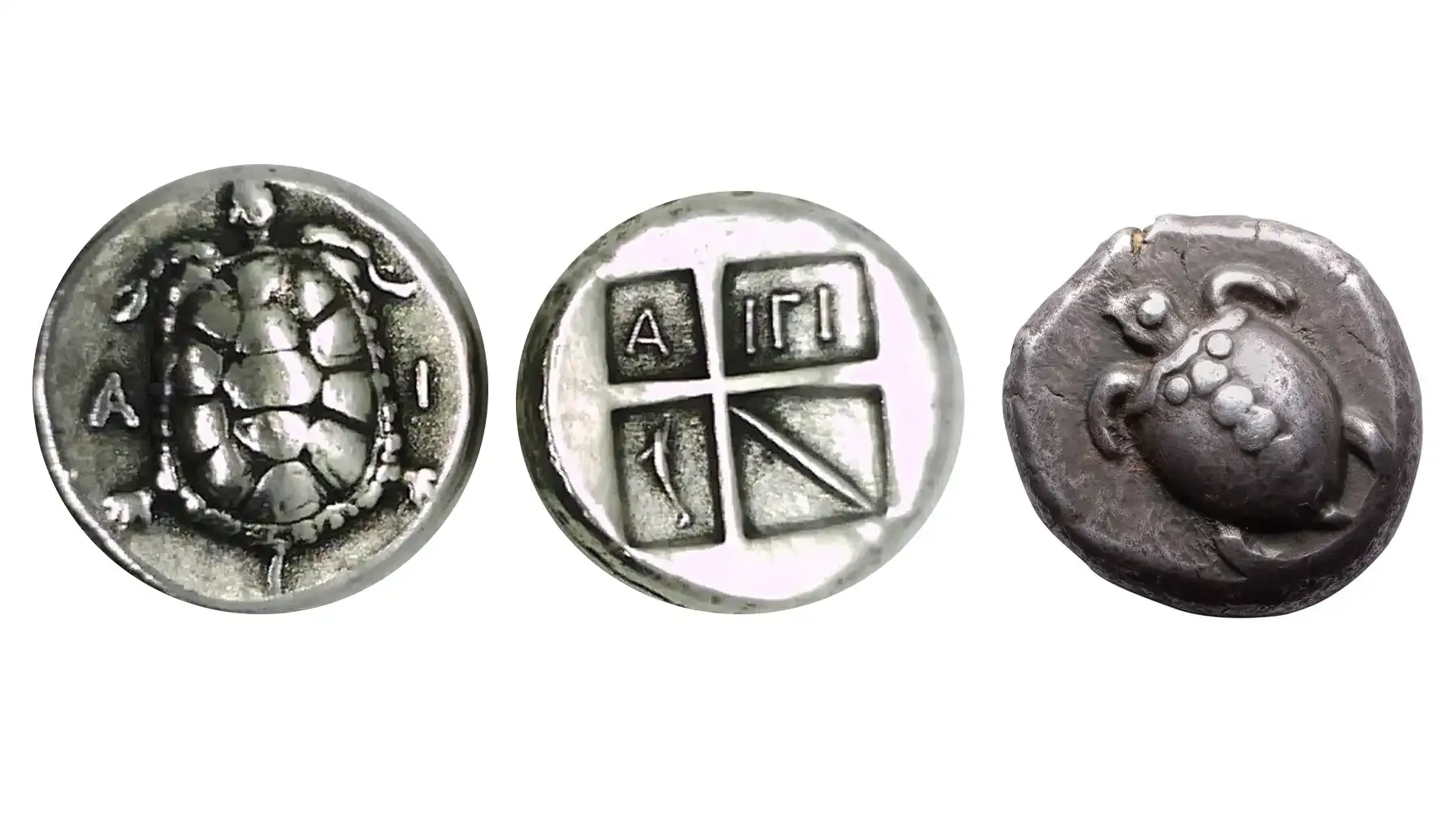
The most famous tortoise-design bit comes from ancient Aegina, a powerful Greek island-state in the 6th and 5th centuries BCE. Aegina was one of the first big Greek minting centers. Ancient turtle bits became widely recognized throughout the Mediterranean.
We still do not know the proper name of this Ancient Greek bit, but many call them the Aegina turtles. The “Aegina” part comes from the minting city, and the “turtle” comes from a unique design, showing a turtle as the centerpiece on the obverse. The reverse showed the city’s name and a small dolphin image.
Aegina ancient turtle coins were made of silver, and they were quite heavy, making them a valuable asset and one of the most ancient pieces humanity knows.
“One of the most important coins of the Antiquity was the Aegina’s turtle. The coin itself is not very attractive as a first impression, yet it is one of the most important coins in history, with a same impact on the economical life of the Mediterranean Sea as the pound.”
— Stefan Vasilita
Coins Auctioned Website
Symbolism of the Turtle On Coins
Different cultures have different definitions for animals. Some consider tortoises funny, slow animals, and other nations deeply respect them. Commonly, turtle design may have these meanings:
Longevity and endurance: Tortoises are long-lived creatures, making them natural symbols of stability and continuity.
Protection and security: The shell represents defense and resilience, qualities desirable in a stable currency. Some Navy challenge bits even use the animal as a centerpiece.
Wisdom and patience: In mythology, tortoises often symbolize a thoughtful approach and some ancient knowledge.
Maritime strength: Coastal societies (such as Aegina) chose sea turtles that were linked to the ocean, navigation, and trade.
Silver and Gold Turtle Coins
Historically, turtle silver coins were the most common variety. In ancient times, when the Aegina variety was made, silver was valuable and available. Silver brought value and durability.
Golden coin turtles, however, were a rarity. It’s safe to say that Aegina didn't create any gold versions. However, you can find the golden bits produced by modern Australian and New Zealand Mints.
Are Turtle Coins Valuable Today?
The value depends on the exact type of bit you’ve found. There are ancient issues and the newer bullion issues:
Type | Metal Composition | Average values |
Ancient Aegina bits (strong wear) | Silver | $30+ |
Ancient Aegina bits (preserved) | $800+ | |
Hawksbill bit (New Zealand) | Silver | $80+ |
Gold | $4,000+ |
Conclusion
Many people love animals, and it won't be the first or the last time our four-legged friends appear on the money.
Having trouble recognizing bits? The Coin ID Scanner app can scan valuable pieces and recognize them with just a photo.

 Facebook
  X (Twitter)
  Pinterest
  LinkedIn