Contents:
Sometimes, the things we call "coins" are not the true coins at all. In turn, they appear to be the tokens of dignity, devotion, and recognition -- something that can be genuinely considered an emblem or a medal instead. Their applications are more elevated and sublime, for the average numismatic creations are meant for everyday use, which challenge coins are not.
Nonetheless, their history and evolution may reveal the real diversity of such a numismatic phenomenon in the US and far beyond. So, what is the challenge coins meaning? Which features identify rare coins as a form of exonumia, and what are the most notable instances of this kind?
What is a Challenge Coin?
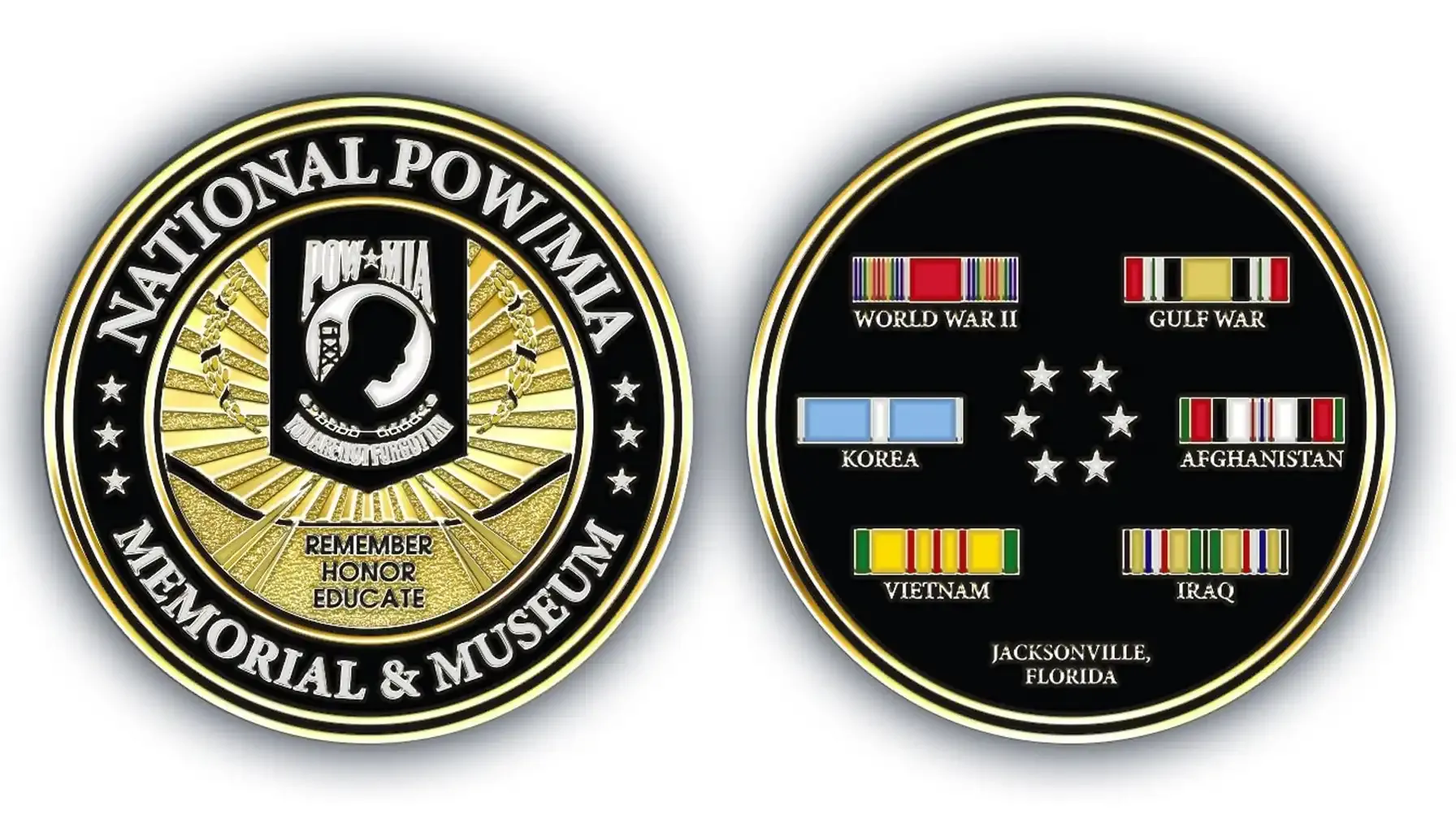
Let us start with the basic term. A challenge coin is a small metal medallion or token that bears the symbols that refer to particular situations, people, organizations, or events. In a military challenge coins context, they have never been released for financial operations, but for identification or the evidence of belonging.
Originally, such badges appeared within the military circles to recognize and honor one's achievements on the battlefield and in civilian life. Over time, however, this changed, and the armed forces became just "one more" (i.e., not the only one) institution, including civilian organizations, government bodies, companies, first‑responder units, or clubs, that are allowed to grant such tokens of membership, camaraderie, or tribute after all.
Why Do Challenge Coins Matter?

The answer is rather obvious: these creations do represent surprising, incomparable efforts, powers, and belonging to a unit/team/mission/shared experience. For some, it is a symbol of respect; others see it as a special token to build stronger connections and show pride. Here is a clear example from World War I £2 coinage (and the rest).
According to one of the most widely told stories (which is more of a tale rather than a historically proven fact), a wealthy American pilot during World War I carried a bronze medallion engraved with his squadron’s insignia. When he was shot down behind enemy lines, he was instantly captured by German forces and stripped of every form of identification (but the token remained in a leather pouch worn around his neck).
Later, he managed to escape and enter French-controlled territory, where he had no ID documents but a medallion to manifest his membership and identity in an instant. This is what has saved his life and continues to save lives all over the world.
The Unwritten Challenge Coin Rules
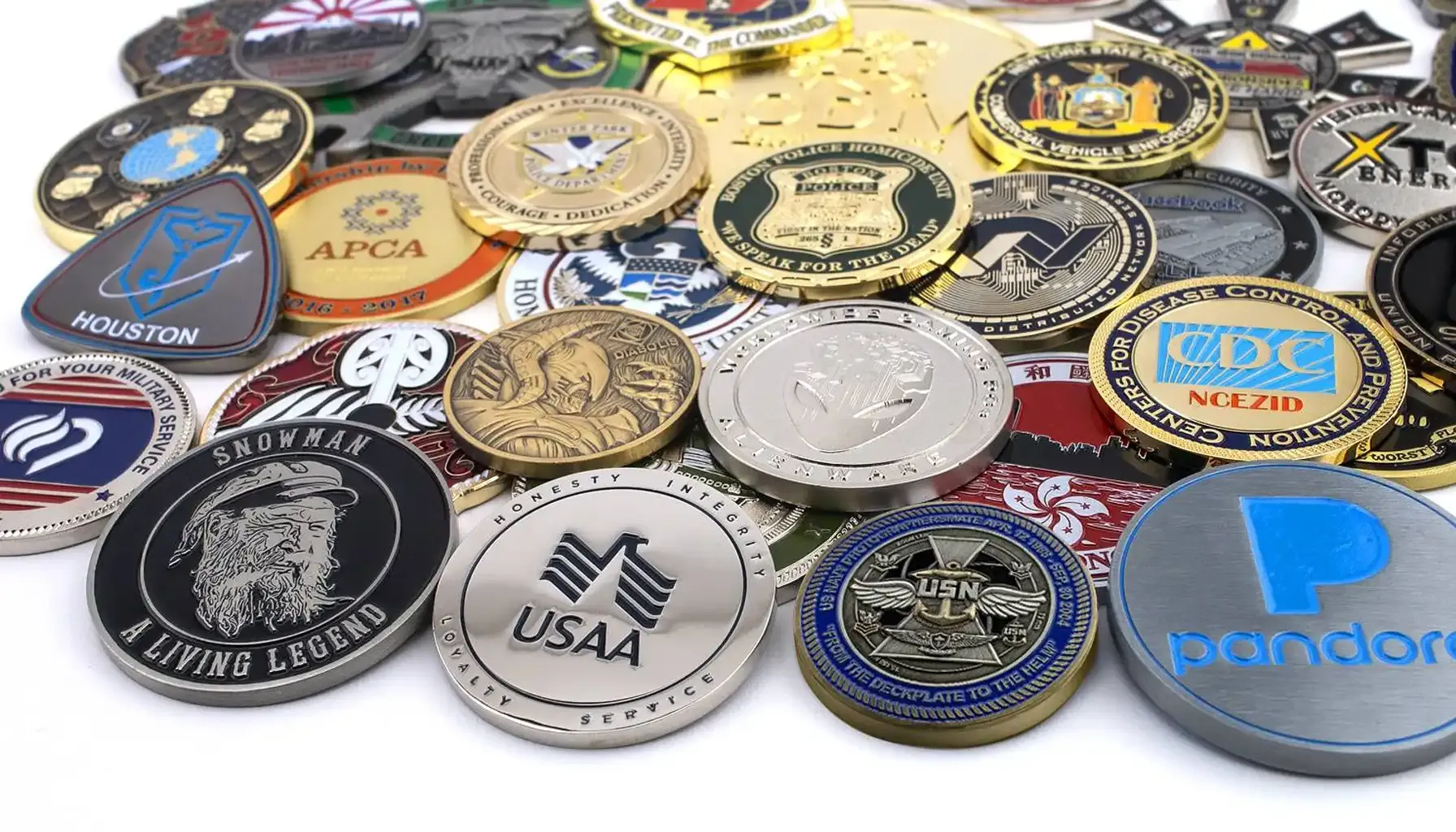
No wonder the hero of the article is named this way. In fact, it all comes down to the long-standing challenge coins custom of issuing a “challenge” (=a coin check), where members of a group must quickly show their token/badge to prove they belong. Nonetheless, traditions may vary, though a few informal rules are still widely recognized as universal.
The Challenge: When one places their badge/coin on the table, bar, or any other surface (or just calling it out), this means the start of the challenge itself.
The Response: All members involved must immediately present their own tokens. It has to be easy to reach and demonstrate.
The Consequence: Should someone fail to do so in an instant, they “owe” a round of drinks (or another agreed-upon penalty) to the challenger and everyone who produced their own. If everyone succeeds, the challenger buys the round instead.
“Once you agree to carry a coin, it comes with an obligation of group loyalty and traditions of the coin. Don’t accept a coin if you do not share the values and beliefs of the group, shared with a willingness to respect the traditions of the challenge coin.”
— Unknown author of the article “History of the Challenge Coin”
Syracuse University, Department of Public Safety, Law Enforcement
Designing and Making Your Own Money
Making custom challenge coins is a big business now. Sometimes, they are issued by the official authorities, yet private producers also keep up with these trends. The process is rather simple, for it usually involves three major steps, i.e., conceptualization, design, and production.
Conceptualization Being a fine challenge coin maker means thinking like an artist. The idea is to come up with the concept, make it tangible, and turn it into pictures that mean a lot to the people who will get one. |
Design Secondly, the challenge coin designers develop mockups and first versions of the layout to check their performance and the way each detail is displayed. Anyway, it is important to place symbolic pictures, sayings, dates, or special signs to make these tokens notable and meaningful for those who are going to wear them. |
Production The process of production should be well-thought-out. Something that has been created on paper finally takes its physical form. However, it is mainly the responsibility of special companies rather than a given enthusiast, for producing high-quality pieces requires professional equipment, precise manufacturing, coin storage options, and access to materials that most hobbyists do not have. |
Notable Examples and Their Significance
Although there are literally dozens or hundreds of these numismatic creations around the globe, we shall focus on those produced by the US Mint (in collaboration with other governmental authorities) and local producers of the United States.
Coins of the Military Sector

Dedicated to: Unit, deployment, special forces, specific branch (Army, Navy, Air Force, Marines, Coast Guard), mission, and operation.
Significance: The oldest and most iconic examples that recognize service and perpetuate exceptional performance.
Examples:
US Army Special Forces “Green Beret” emblem
Navy SEAL Team insignia
Air Force squadron deployment pieces
Marine Corps Birthday Ball units
Coast Guard rescue operation issues
In general, these items display unit logos, mottos, mission details, or imagery associated with branch culture. As a rule, they are presented by commanding officers, earned through missions, or exchanged between units to keep them as "souvenirs" from the battlefield.
Government and Agency Variety
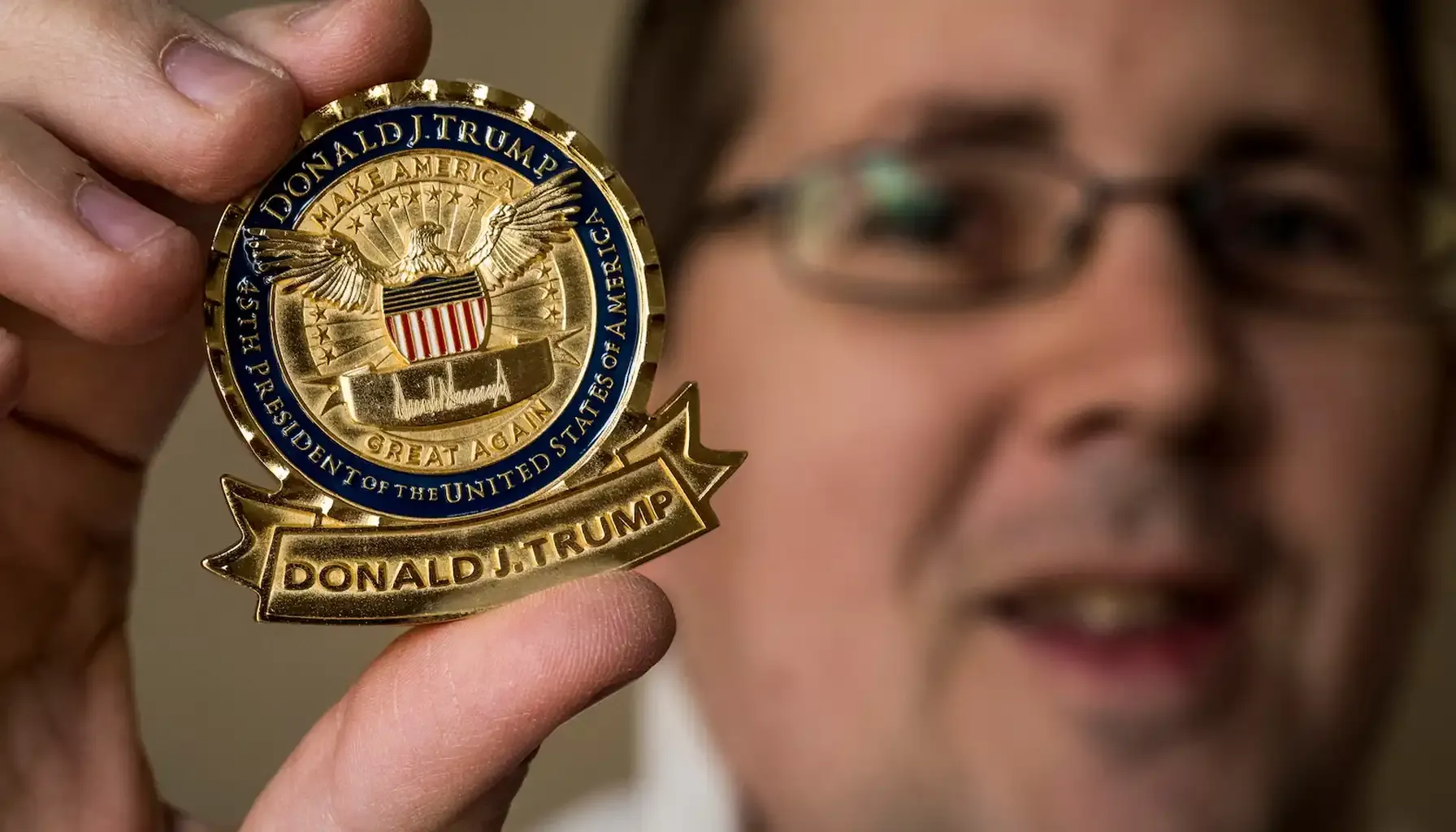
Dedicated to: Presidents, Congress, NASA missions, CIA/FBI/Secret Service, Homeland Security, etc.
Significance: The promotion of the national authority, public service, and acknowledgment from institutions with significant responsibilities.
Examples:
US Presidential medallion
CIA Directorate of Operations emblem
NASA mission pieces (e.g., Artemis, Shuttle commemoratives)
FBI field office insignia
Diplomatic Security Service releases
These typically feature seals, mission patches, or symbols of national identity. It is more of a formal recognition from higher institutions that perpetuate important programs, operations, and historic missions whatsoever.
Coins of First Responder

Dedicated to: Police departments, sheriff’s offices, fire stations, EMS, search-and-rescue groups.
Significance: Honor the bravery and community service of those who put their lives at risk in order to save the lives of others.
Examples:
FDNY station tokens
Police SWAT units
Paramedic service anniversary pieces
Wildland firefighter deployment coins
By tradition, first responder pieces often incorporate badges, station numbers, rescue symbols, or memorial designs. The emotional background is the most essential, for it refers to heroic efforts, not something groundless anyway.
Corporate and Organizational Units
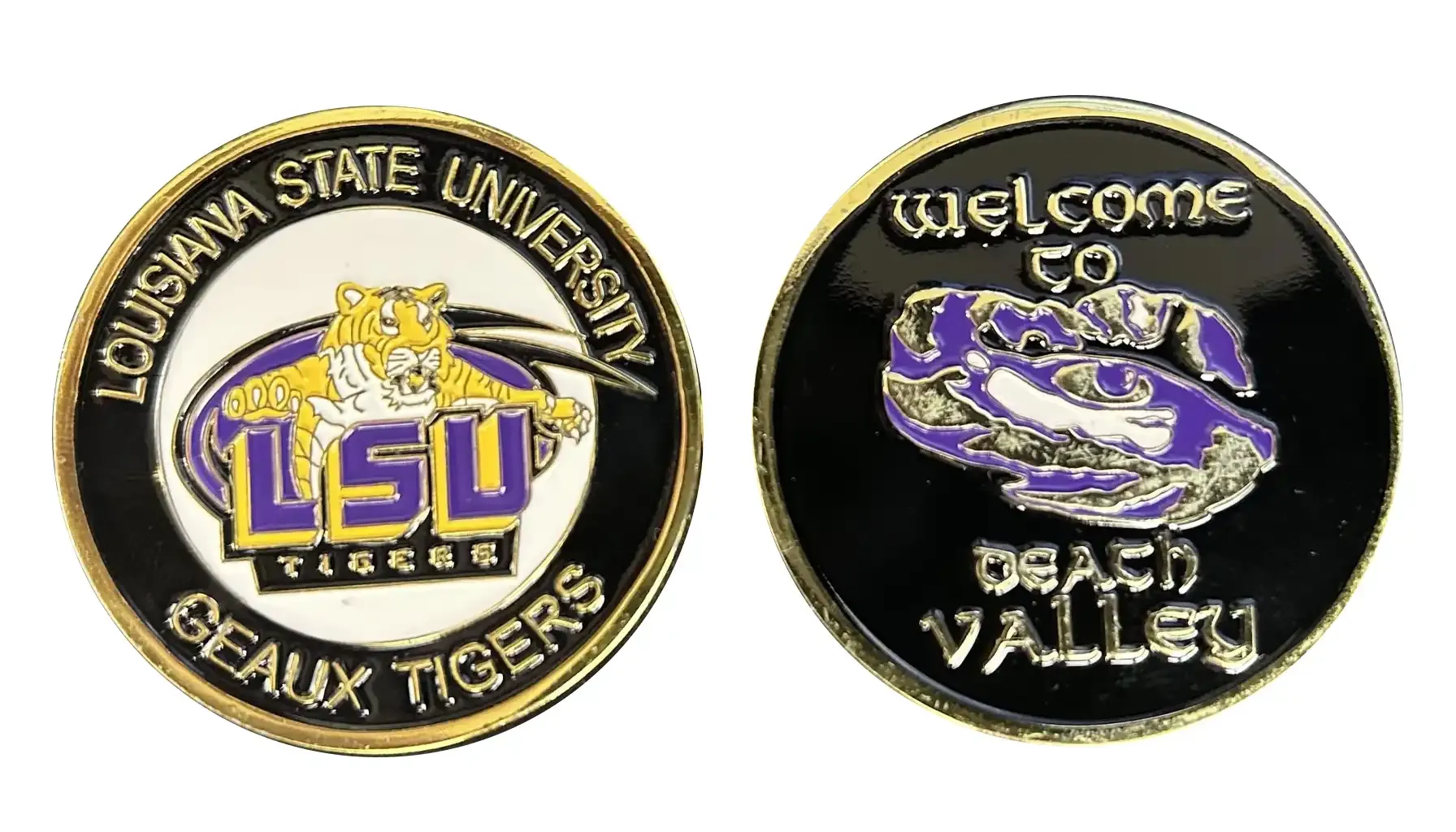
Dedicated to: Private companies, nonprofits, universities, sports teams, professional clubs, community groups, charities, fandoms, history, events, etc.
Significance: A universal way to celebrate achievements, pay attention to major milestones, reward performances, and support companies.
Examples:
Professional sports commemoratives
Nonprofit volunteer-recognition emblems
Charity-fundraising issues
Convention or festival tokens
These are the issues that include more commercial parts like logos, mottos, and images that are meant to raise awareness and/or promote specific events, brands, achievements, campaigns, or community initiatives.
Note: If you are afraid of mistakes in this area, do not worry. There are numerous free apps, such as Coin ID Scanner, that will show you how to identify fake tokens on the spot.
Numismatic creation can be different, and exploring those that may have peculiar applications is genuinely enjoyable. Learn more – worry less.

 Facebook
  X (Twitter)
  Pinterest
  LinkedIn