Contents:
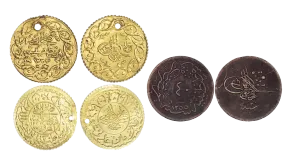
The Ottoman Empire might be long gone. Yet, its legacy is still felt and seen today. Coins from that era are still standing, and many collectors would love to have them.
Is there an app to identify coins? Indeed, such apps can identify and evaluate bits accurately and quickly.
History of Ottoman Empire Coinage
The Ottoman Empire existed from the late 13th century up to the early 20th century. Pretty much since the Empire's existence, it has minted coins. Osman I, the first ruler (the Empire is named after him), ordered mining in the late 13th century.
The first Ottoman piece was the silver coins, called akçe. As the Empire grew, it started minting many gold bits (called sultani), designed to support international trade.
By the 18th and 19th centuries, inflation and European economic pressures forced reforms. New denominations, such as the kurush and later the gold lira, were introduced. In the early 20th century, the minting stopped, just before the establishment of the Turkish Republic in 1923.
Ottoman Gold Lira Coins
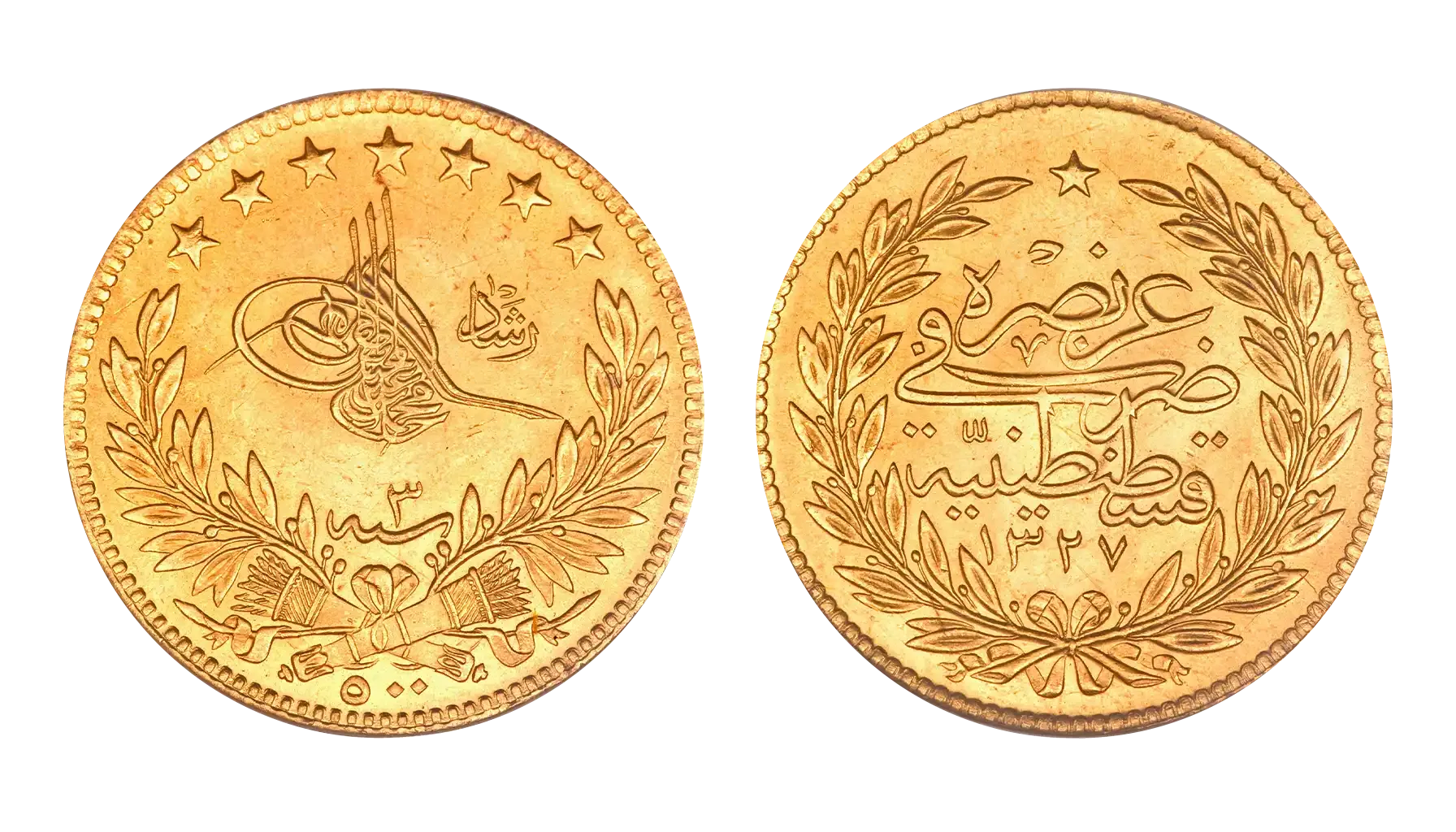
Out of all Ottoman Empire coins, the lira is likely the most famous. Perhaps because it was one of the last currencies.
This Ottoman Empire gold coin was introduced in the mid‑19th century. The gold lira was part of a reform aimed at stabilizing the empire’s economy and restoring confidence in its currency. Lira was made of high-purity gold and intended for international trade.
Ottoman Lira Overview | |
Denomination | 1 Lira (LT 1) |
Metal | Ottoman gold coin |
Gold Purity | .917 (22 carat) |
Total Weight | ~7.216 grams |
Diameter | ~22 mm |
Thickness | ~1.5 mm |
Edge | Reeded |
Keep in mind that the Lira went through many reforms, and the older issues typically had more gold, and the newer ones had less.
Ottoman lire typically featured elegant calligraphy, not portraits. Today, Ottoman gold lira coins are valued not only for their gold content but also for their historical significance.
Note: There is a similarly named piece from another country, the Italian Lira. Both are similar (the name, gold composition), but are still considered different bits.
Rare and Valuable Ottoman Coins
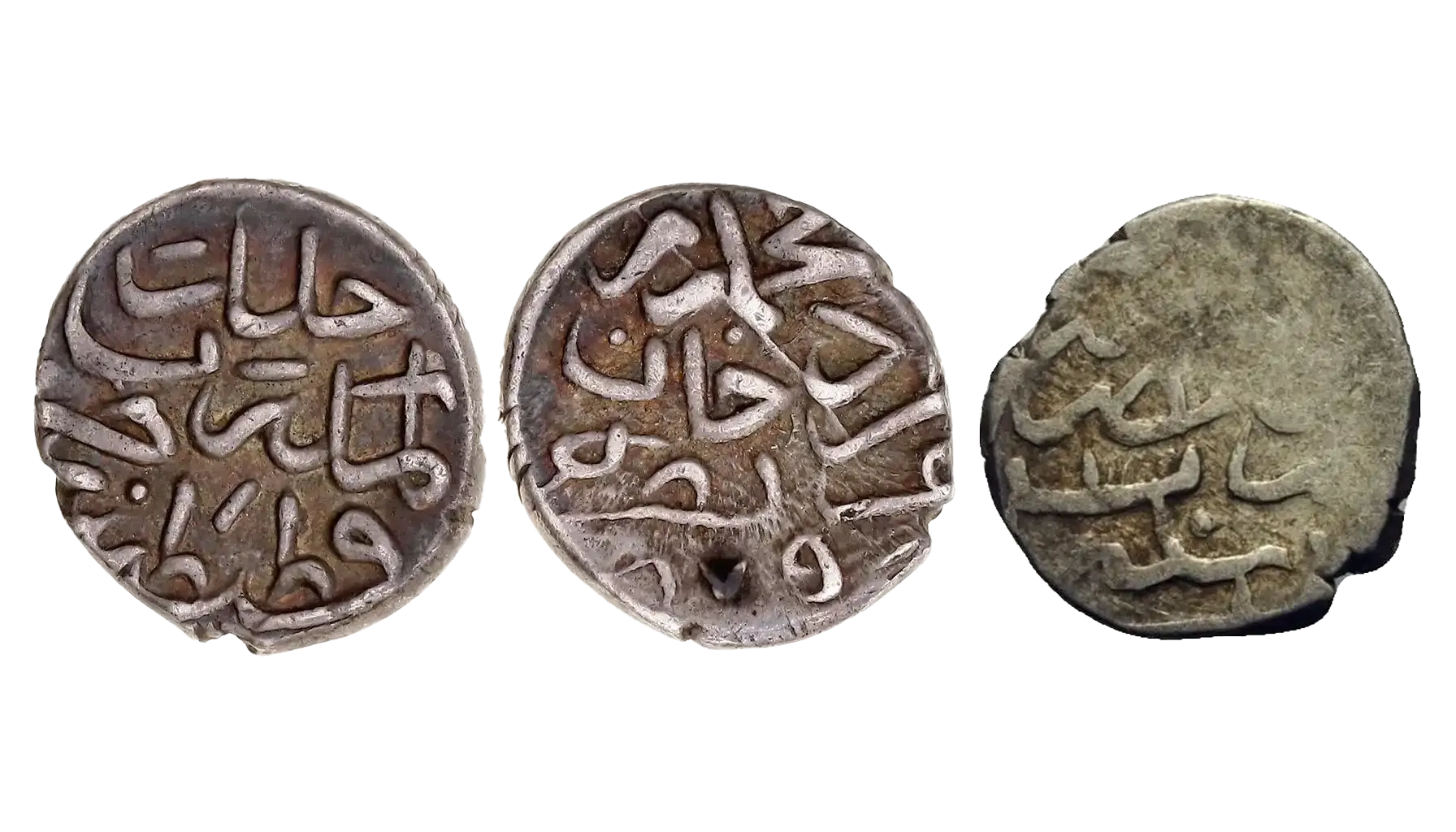
Now, what rare Ottoman coins deserve the most value?
The earliest Ottoman akçe bits are extremely rare, particularly those minted under Osman I and Orhan Gazi (13th-14th century).
Gold coins are also highly prized, especially the older sultani bits.
Condition plays a crucial role in value. Well‑preserved bits are valuable even if they come from later, more common periods. Clear inscriptions, minimal wear, and original luster are all signs of great condition.
How Minting Coins Strengthened Ottoman Rule
Politics and the economy go hand in hand. How did minting coins help Orhan rule the Ottoman Empire? Orhan was the second emperor, and he helped lay the minting foundation.
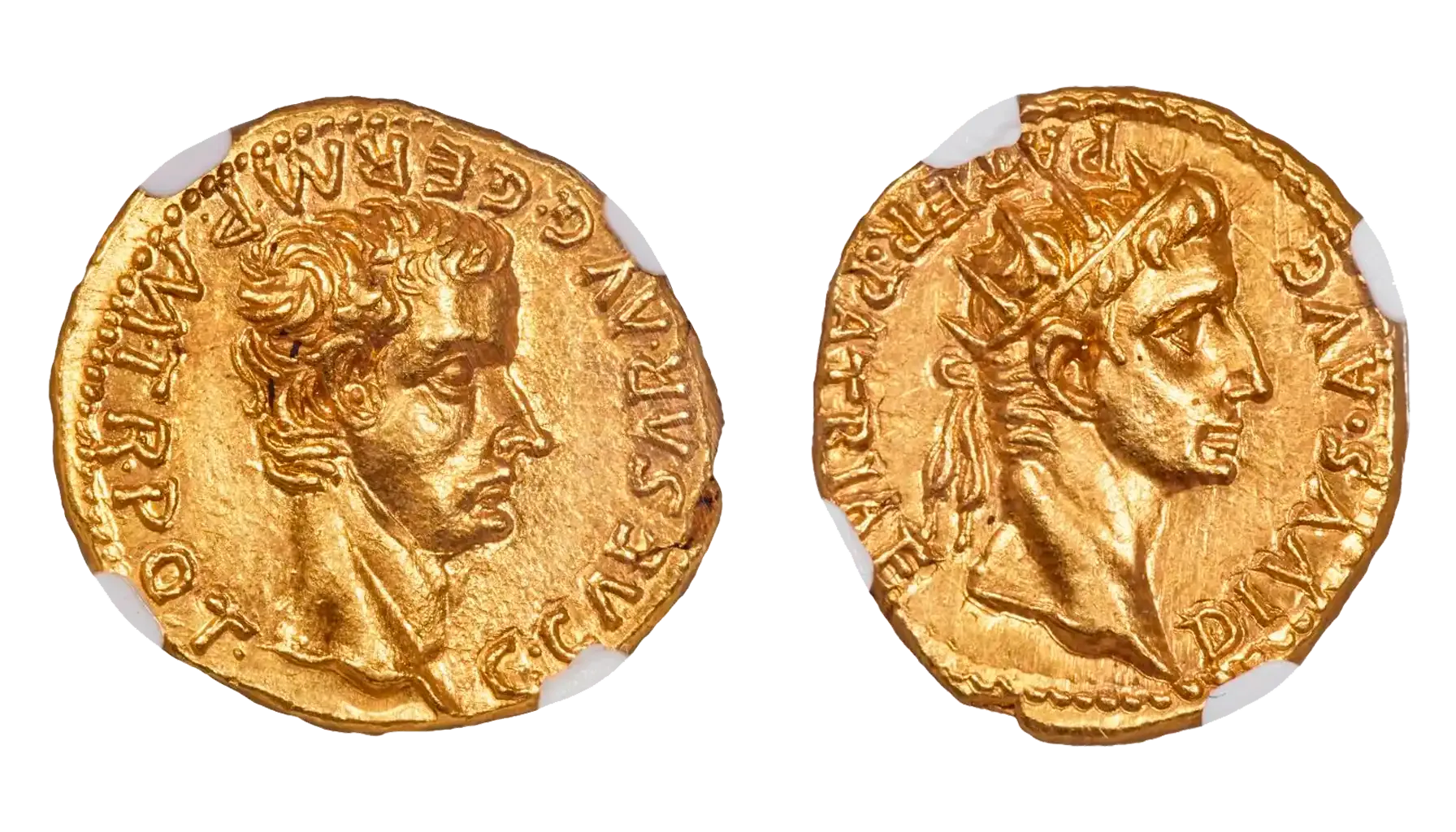
Minting was a powerful tool for strengthening many empires. Just look at the Roman Empire coins. They worked as propaganda by showing the military strength and the emperor on their designs, and they spread Roman influence when these bits were used for trade. With the Ottoman Empire, the situation was similar.
Each Ottoman bit served as a symbol of sovereignty, reminding everyone of the sultan. After all, most of these coins had the sultan’s name and tughra (imperial sign) on the surface.
“Within traditions of Islamic kingship, the minting of coins was a fundamental duty of a ruler...”
— David Yoon
Numista
Identifying Authentic Ottoman Coins
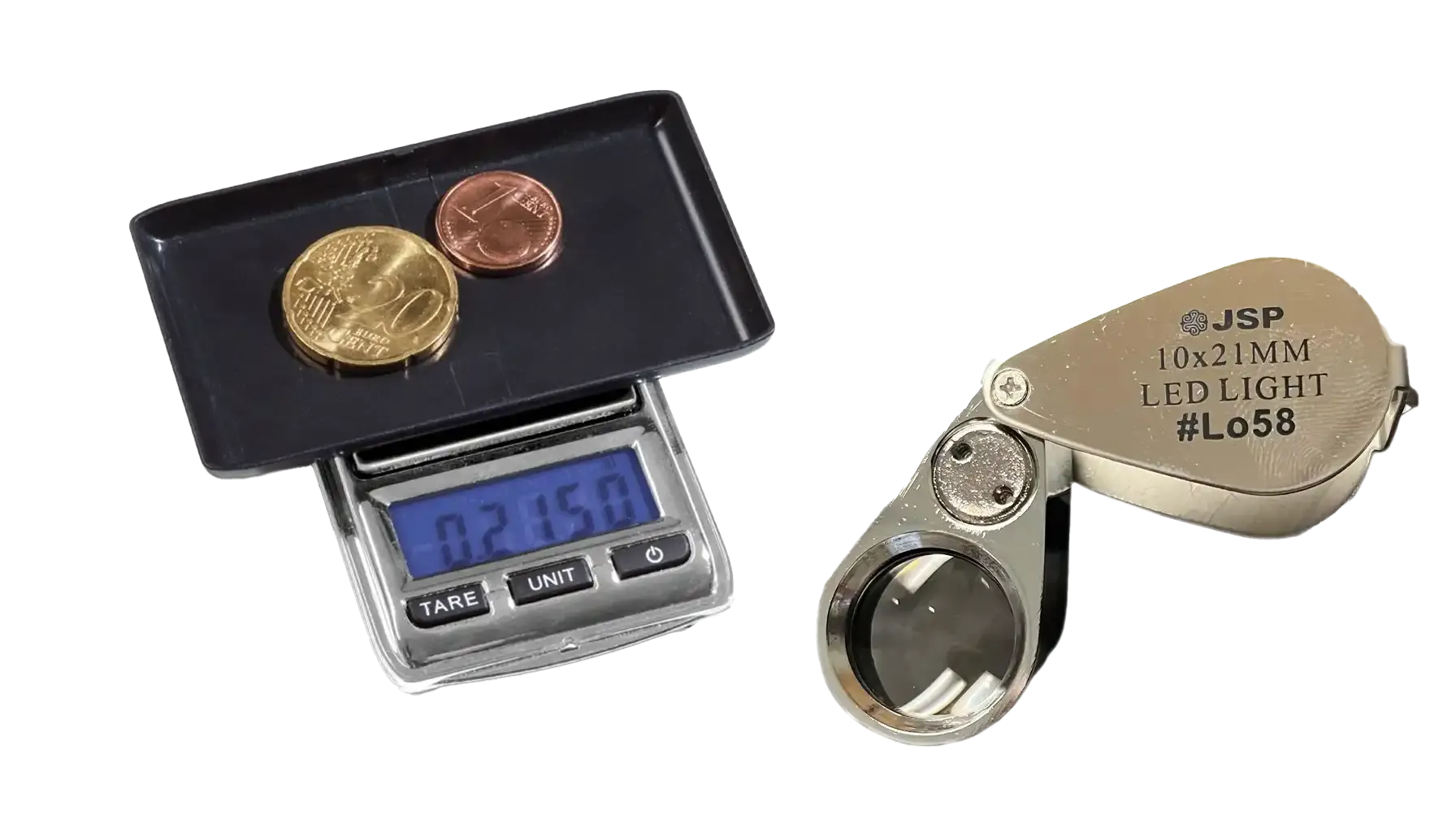
Precious bits are often turned into counterfeit. Therefore, you need to know how to spot fake coins.
Genuine bits are made from silver, gold, or copper. They are heavy and consistent with their denomination and era. If the bit from a trader seems too light, too wide, or too thin, it could be a counterfeit.
Ottoman bits feature Arabic calligraphy and the sultan’s tughra. They help find the approximate mintage period. The trader might state the wrong time, usually trying to sell a relatively modern coin as an old bit.
Trade with those who have many reviews and present certificates of authenticity for their businesses
Conclusion
Many people claim that they can feel the passage of time through coins. Perhaps, the gold and silver surface of Ottoman bits retain some of their impractical glory, still.
The Coin ID Scanner is an app that can identify coins. Moreover, it can identify bits from many periods, past and present. Perhaps you have an old bit in need of scanning.

 Facebook
  X (Twitter)
  Pinterest
  LinkedIn