Contents:
Just recently, the Royal Australian Mint in Canberra celebrated a significant numismatic date: the 60th anniversary of the country's transition to a decimal monetary system.
More than 500 numismatists attended the event, and of course, most of them hoped to be the ones to mint the first coin.
Let's find out all the details: who was this lucky person, and what does the coin look like?
And there are always two options for you to know: check the details step by step yourself, or check it with the coin value checker at once.
Who is Julius Jungerth?
The Royal Australian Mint traditionally holds a draw to determine the person receiving the right to strike the first token of the year.
“An eight-year-old Melbourne boy has minted the world's first coin of 2026.
Julius Jungerth's number was drawn from a barrel at the Royal Australian Mint in Canberra, beating out several hundred others on New Year's morning.
He is not a coin collector and only found out about the opportunity while on a family holiday visit to the Mint on New Year's Eve.”
— Lily Nothling, multi-platform reporter at ABC Canberra
ABC News
Winning this opportunity, Jungerth arrived in the nation's capital to operate the press under the guidance of official mint representatives.
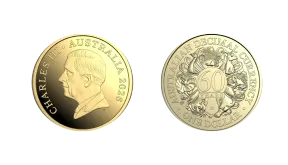
What is the First 2026 Coin?
This issue serves as an official tribute to the date of February 14, 1966, when Australia replaced pounds, shillings, and pence with dollars and cents.
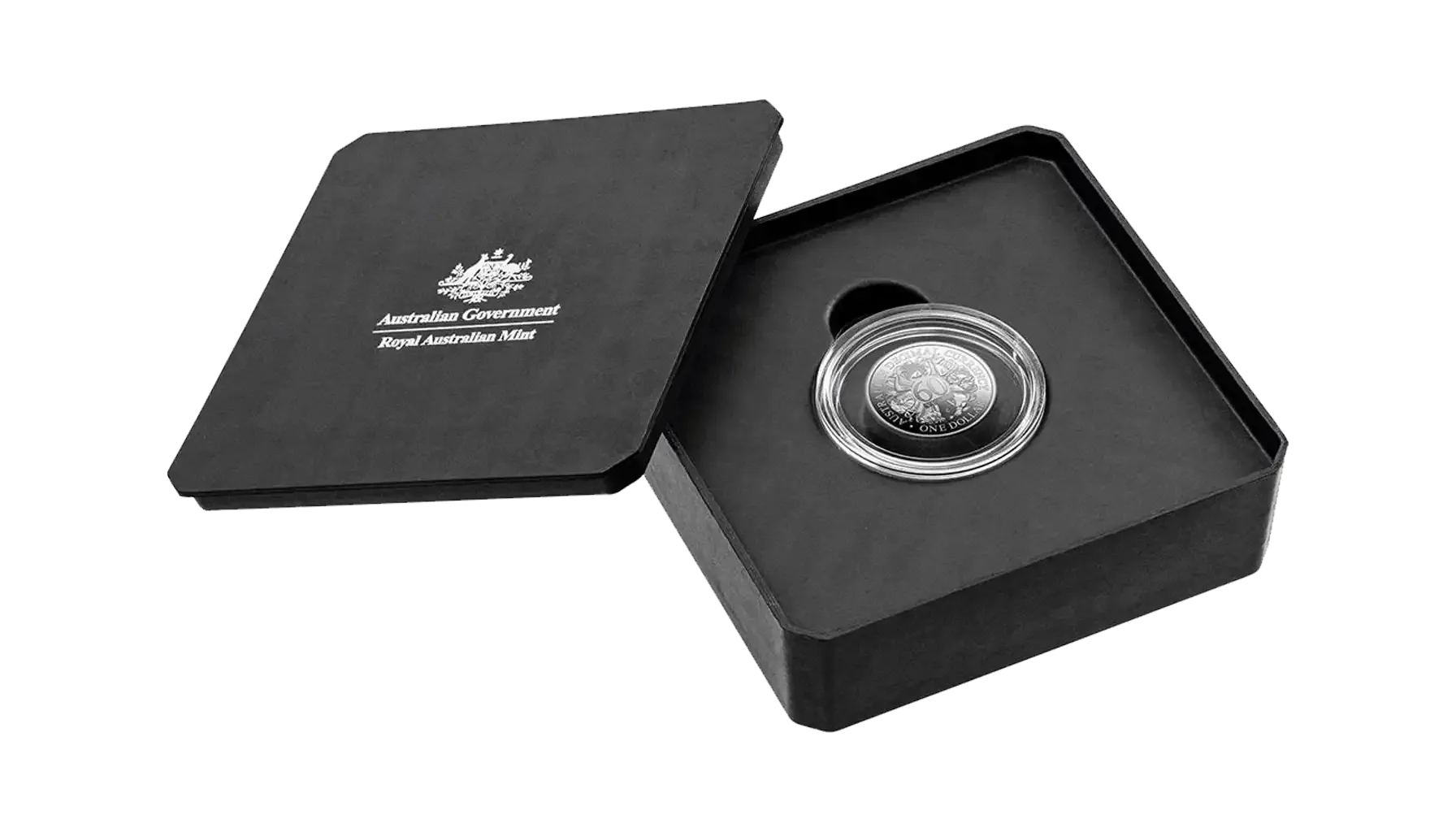
This piece belongs to the collector category and is not intended for mass monetary circulation.
Characteristic | Description |
Denomination | $1 |
Alloy | Aluminium Bronze |
Weight | 9.00 g |
Diameter | 25.00 mm |
Strike Type | Uncirculated |
The 2026 issue is considered one of the most anticipated of the decade due to the anniversary of the currency reform.
Meaning and Design of the Julius Jungerth 2026 Coin
The money design struck by Julius Jungerth includes elements referring to the historical introduction of the currency in 1966.
The reverse represents a stylized image of the original decimal designs, focusing on the cultural shift of the mid-sixties.
The artistic design pays tribute to the work of the late Stuart Devlin, who created the images of Australian fauna for the first decimal tokens.
The token features the 'C' mintmark, signifying its minting in Canberra on the visitor press.
The obverse contains a memorial image of Queen Elizabeth II or a portrait of King Charles III executed in accordance with current standards.
Collectors distinguish these specimens due to the unique production conditions on the series launch day.
Expected Release Date and Mint Details
The official launch of the Mintmark Suite took place on January 1, 2026, following the established tradition of New Year's releases.
The mint uses several high-speed presses for mintage production, but the first coin is always struck on a mobile press located in the visitor gallery.
The process is controlled by technical specialists ensuring compliance with die pressure standards.
Minting location: Royal Australian Mint
Equipment type: Gallery Press
Availability: Limited batch for event participants and sets
The mintage with the 'C' mintmark is limited by the number of visitors participating in the manual minting program during the festive period.
Estimated Value for the First 2026 Coin
The value of the 2026 'C' mintmark token is determined by its historical theme and the popularity of the 60th anniversary.
With a face value of $1, the collector market establishes a significant premium immediately after the launch.
Position Type | Condition | Estimated Price |
$1 'C' Mintmark | Uncirculated | $15 – $25 |
Complete four-coin set | Uncirculated | $35 – $50 |
Silver Proof version | $70 – $95 | |
Graded MS70 coin | Top Pop | $150 – $250 |
Values change based on market demand, condition, grading, and the specific characteristics of individual coins.
Data from previous anniversary issues, such as the 50th anniversary in 2016, indicates price stability with potential growth of 5% annually for specimens in perfect condition.
The liquidity of the piece struck in the presence of the public remains high due to its event-based nature.

How to Verify Authenticity
Correct identification of 2026 coins is necessary to preserve the value of the collection.
Authenticity verification includes several stages of technical inspection.
Locating the letter 'C' on the reverse, situated near the main design element
Checking the packaging for the presence of the official Royal Australian Mint hologram
Verifying the date "2026" and the presence of the commemorative text dedicated to the 60th anniversary of the reform
Examining the coin surface for the frosting effect characteristic of this series
Measuring physical weight and diameter parameters for compliance with state standards
The mint provides an official certificate of authenticity for each set, containing information about the mintage and metal characteristics.
The presence of the original coin card without damage increases the market value of the token by 20%.

 Facebook
  X (Twitter)
  Pinterest
  LinkedIn