Contents:
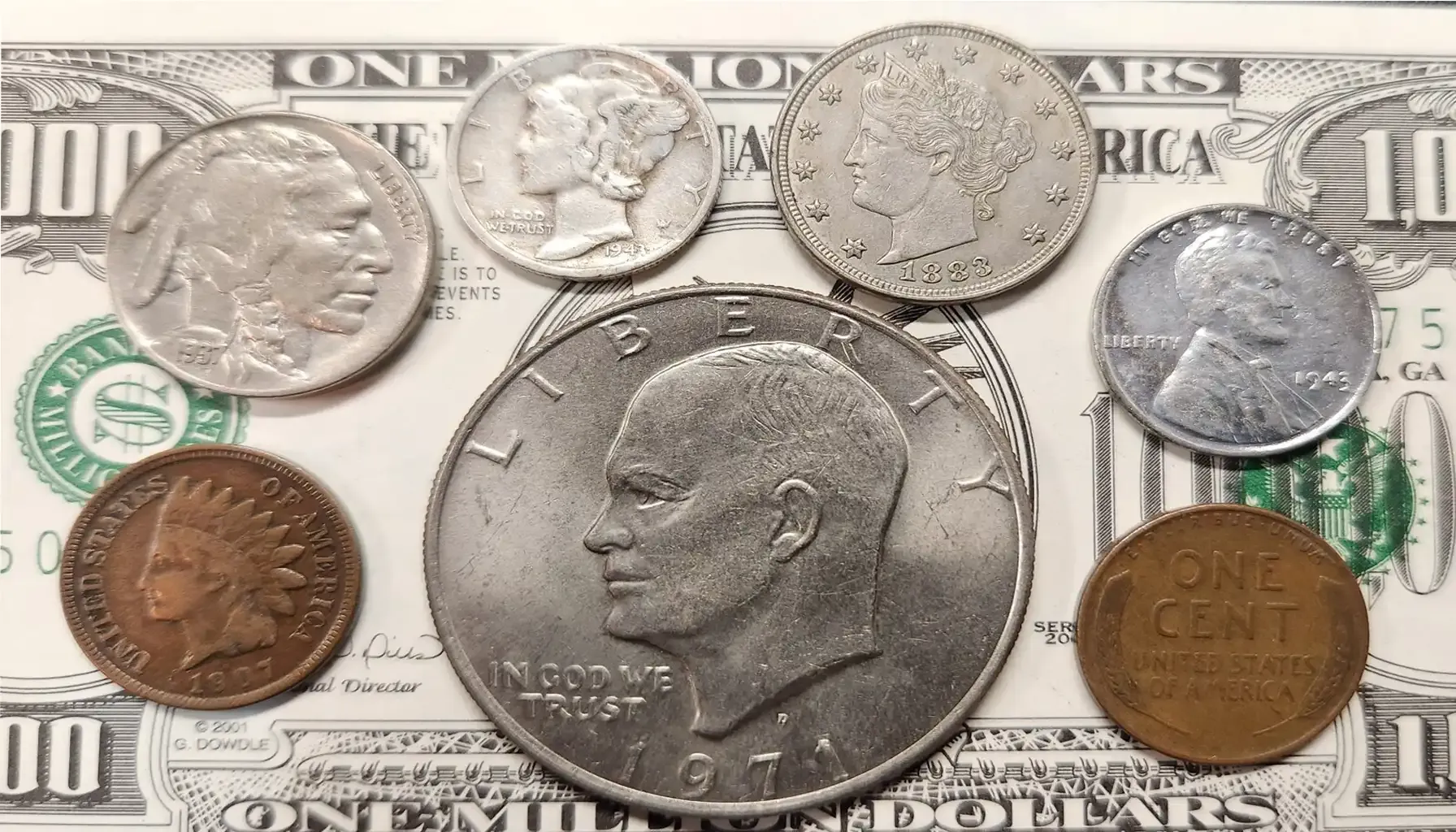
The Buffalo nickel series commenced in 1913, and over 25 years, the program welcomed numerous date varieties, mint marks, and errors, with the most valuable option having been sold for $350,750 (for a 1918/7-D overdate nickel, graded MS65).
Nevertheless, common coins rarely demonstrate exceptional numismatic potential and, hence, are worth $1 to $10 in circulated condition.
As soon as Buffalo nickels were produced from 1913 to 1938, some years are inherently rare. However, the condition also makes sense, for a coin with a readable date, full horn detail, and minimal wear will usually be worth more than one with heavy circulation damage. But how much do buffalo head nickels cost (by year, grade, and type)?
The Main Characteristics of the Buffalo Nickel Program
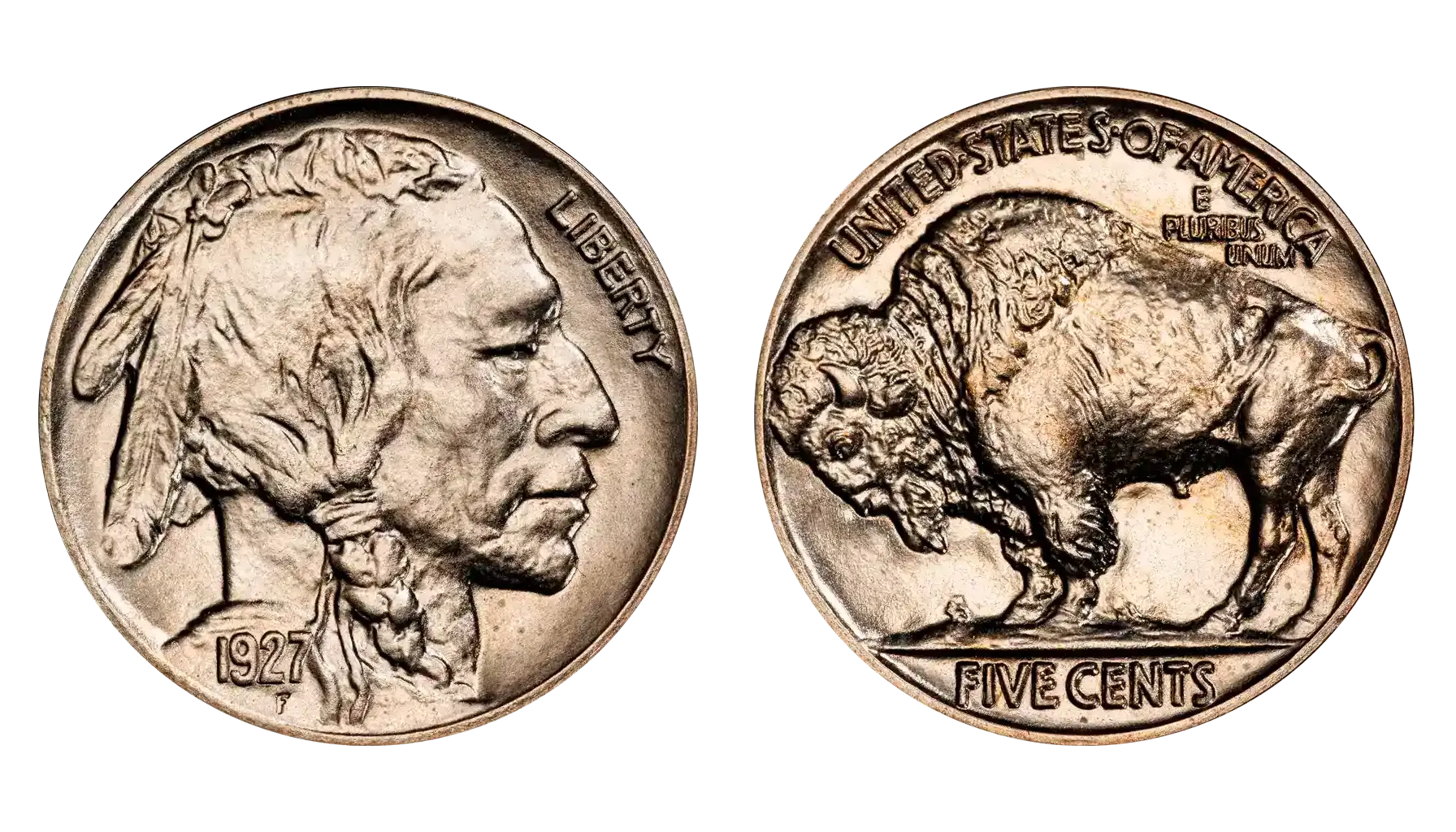
The Buffalo nickel coinage refers to the initiative, meant to modernize the monetary framework of the United States and to praise the local identity, which would not be suppressed anymore. The program itself lasted for 25 years (1913 to 1938), and it was the series positioned between the Liberty Head nickel and the release of the Jefferson nickel.
A more traditional design language was no longer in favor, as the minting authorities felt the need to make imagery associated with the genuine American West. Nevertheless, despite its instant popularity, the design had practical problems. The date and other raised details wore down too quickly, which is why surviving instances have weak or unreadable dates (the problem of dateless nickels). The series produced many collectible issues, and they captivate collectors to this day.
Overview of the Buffalo Nickel Coins | |
Years of Minting | 1913–1938 |
Designer | James Earle Fraser |
Obverse Design | Native American profile LIBERTY The date below the portrait (if visible) |
Reverse Design | An American bison UNITED STATES OF AMERICA E PLURIBUS UNUM FIVE CENTS A mint mark |
Metal Composition | 75% copper and 25% nickel |
Diameter | 21.20 millimeters |
Weight | 5.00 grams |
Mint Marks | None for Philadelphia “D” for Denver “S” for San Francisco |
Denomination | Five cents |
Buffalo Nickel Silver Content
Buffalo nickels do not contain silver. These coins were struck in a standard copper-nickel composition, i.e., 75% copper and 25% nickel. This means their base metal value is usually low, and most Buffalo nickel prices are determined by date, mint mark, condition, rarity, and collector demand.
How Much Is a Buffalo Nickel Worth in 2026?
What is a buffalo nickel worth? In general, this depends on a couple of aspects, including the condition, mint mark, and rarity of the coin.
For us to grasp the idea of indian head buffalo nickel no date value identification, let us go through this process together with the help of a fine pocket assistant, Coin ID Scanner. This app is to provide us with the most relevant information about each iteration, for it grants access to an extensive database regularly updated by other numismatists and coin-grading companies.
Buffalo Nickel Value Chart
Year | Highest listed record | Auction record |
1913 | 1913-D Type 2 MS | $143,750 |
1914 | 1914/(3) Overdate MS | $63,250 |
1915 | 1915 PR | $240,001 |
1916 | 1916 Doubled Die Obverse MS | $281,750 |
1917 | 1917-S MS | $138,000 |
1918 | 1918/7-D MS | $350,750 |
1919 | 1919-S MS | $109,250 |
1920 | 1920-D MS | $138,000 |
1921 | 1921-S MS | $51,750 |
1923 | 1923-S MS | $67,563 |
1924 | 1924-S MS | $105,750 |
1925 | 1925-S MS | $87,400 |
1926 | 1926-S MS | $322,000 |
1927 | 1927-S MS | $125,350 |
1928 | 1928-S MS | $46,000 |
1929 | 1929 MS | $63,250 |
1930 | 1930-S MS | $30,550 |
1931 | 1931-S MS | $63,250 |
1934 | 1934-D MS | $23,500 |
1935 | 1935 Doubled Die Reverse MS | $104,650 |
1936 | 1936 Brilliant PR | $40,250 |
1937 | 1937-D 3 Legs MS | $99,875 |
1938 | 1938-D/D MS | $30,550 |
Buffalo Nickel Value by Date and Mint Mark
1913-D Type 2
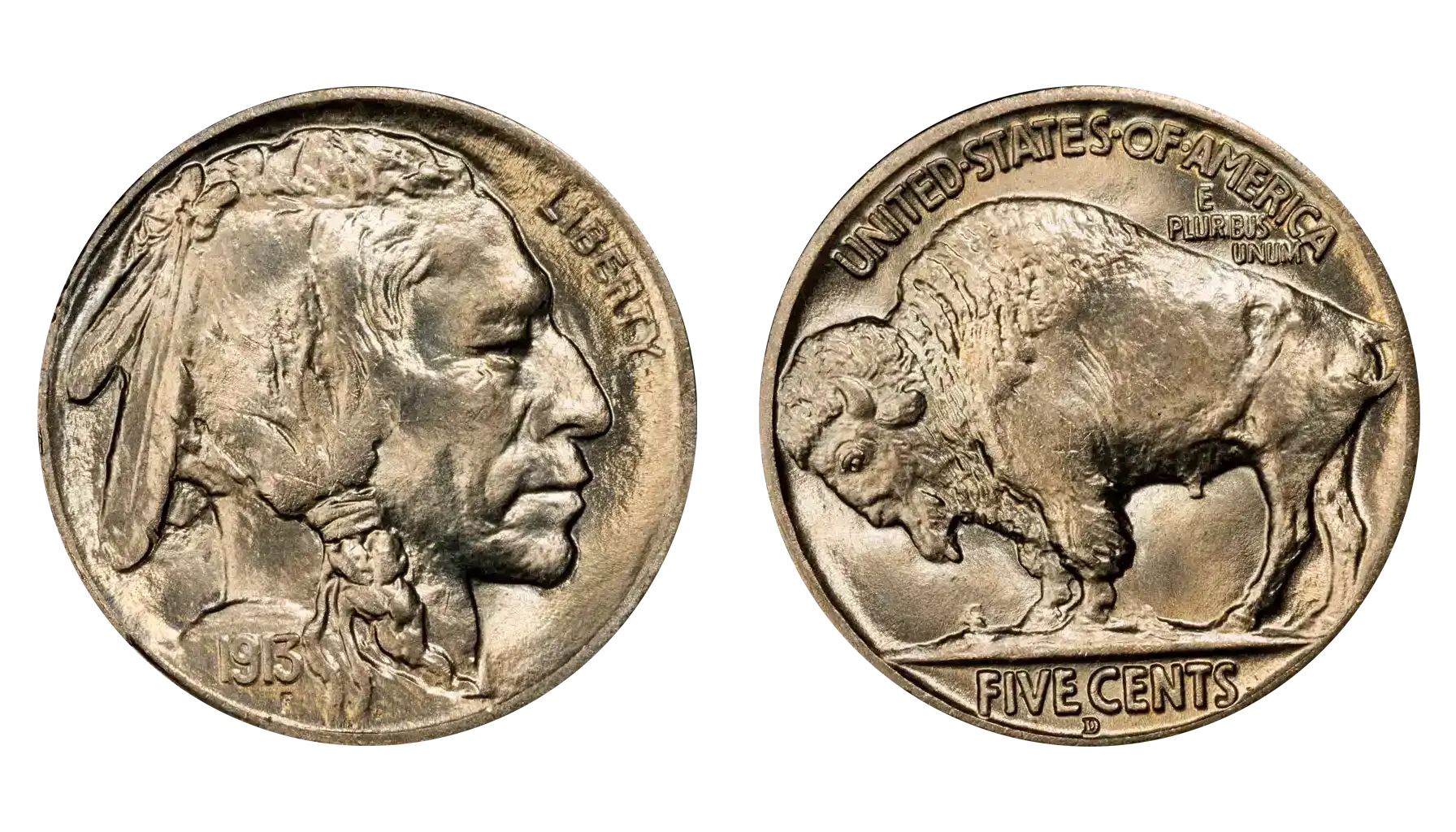
Produced by: Denver Mint
Mintage: 30,992,000
Auction Record: $143,750 for MS68
When talking about outstanding instances, we should definitely refer to the 1913 5C coin. In fact, this was the first Buffalo nickel ever released with a bison standing on a raised mound. However, it was only the first type that proved to be impractical. The elevated design was prone to accelerated wear when in circulation. This consequently led to a design revision later the same year. But the value of this buffalo nickel rare coin only grew larger.
1921-S 5C
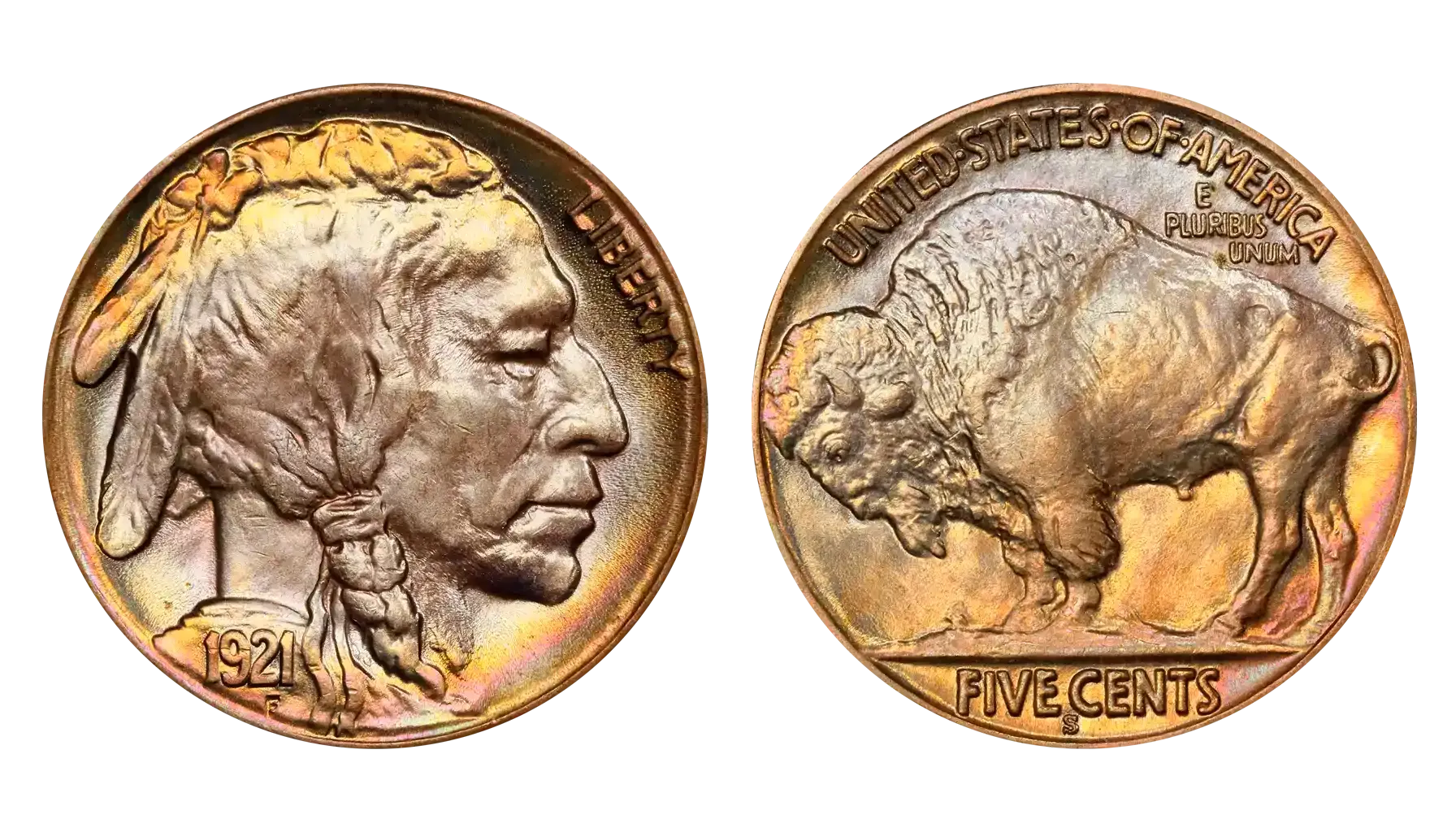
Produced by: San Francisco Mint
Mintage: 1,557,000
Auction Record: $51,750 for MS66
The 1921-S is one of the least widespread 5-cent coins in the entire series. What is unique about the issue is that most pieces are poorly struck, and those pieces that manage to survive tend to show heavy wear. Instances in Mint State or About Circulated grades are extremely rare, which is why their worth may exceed thousands of dollars.
1926-S 5C
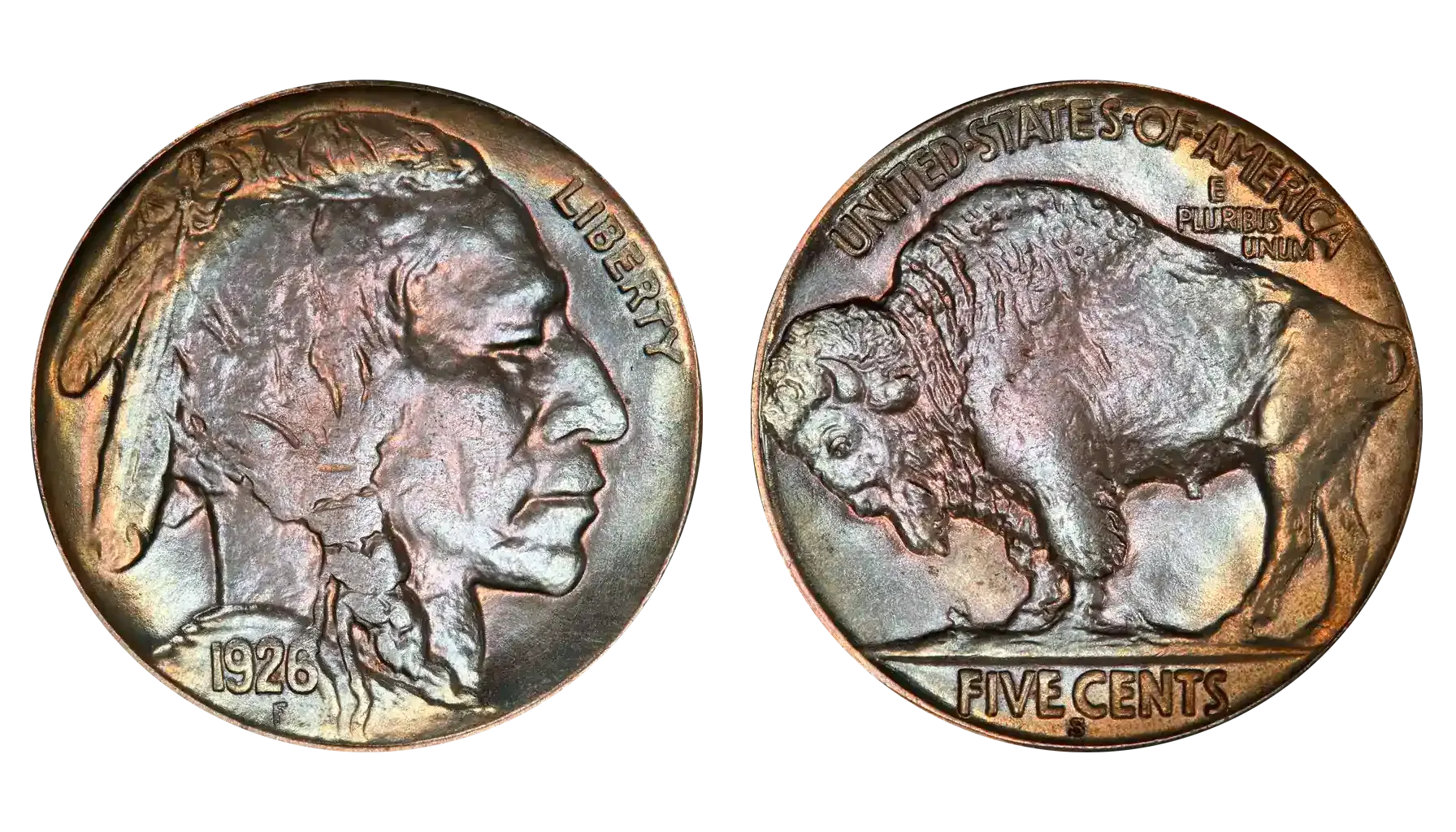
Produced by: San Francisco Mint
Mintage: 970,000
Auction Record: $322,000 for MS66
Should you wish to learn more about Buffalo nickels worth money, there will definitely be the Buffalo Nickel of 1926, with the lowest mintage of all regular issues released. According to David Hall, the few that survive in uncirculated condition are weakly struck, and coins above MS65 are virtually unheard of. All in all, it can be considered one of the most desirable additions to coin collections whatsoever.
“...Strike can be somewhat of a problem with this issue, but not as much so as with the 1920-S, 1923-S, and 1925-S. It's not the strike, it's the fact that not many Gem examples exist at all. Luster is of the subdued semi-satiny type. Excluding the 1918/7-D overdate, this issue is THE key date to the Buffalo nickel series…”
— David Hall, the numismatic expert, co-founder of PCGS
PCGS CoinFacts
Rare Buffalo Nickel Errors
1918/7 Overdate Error
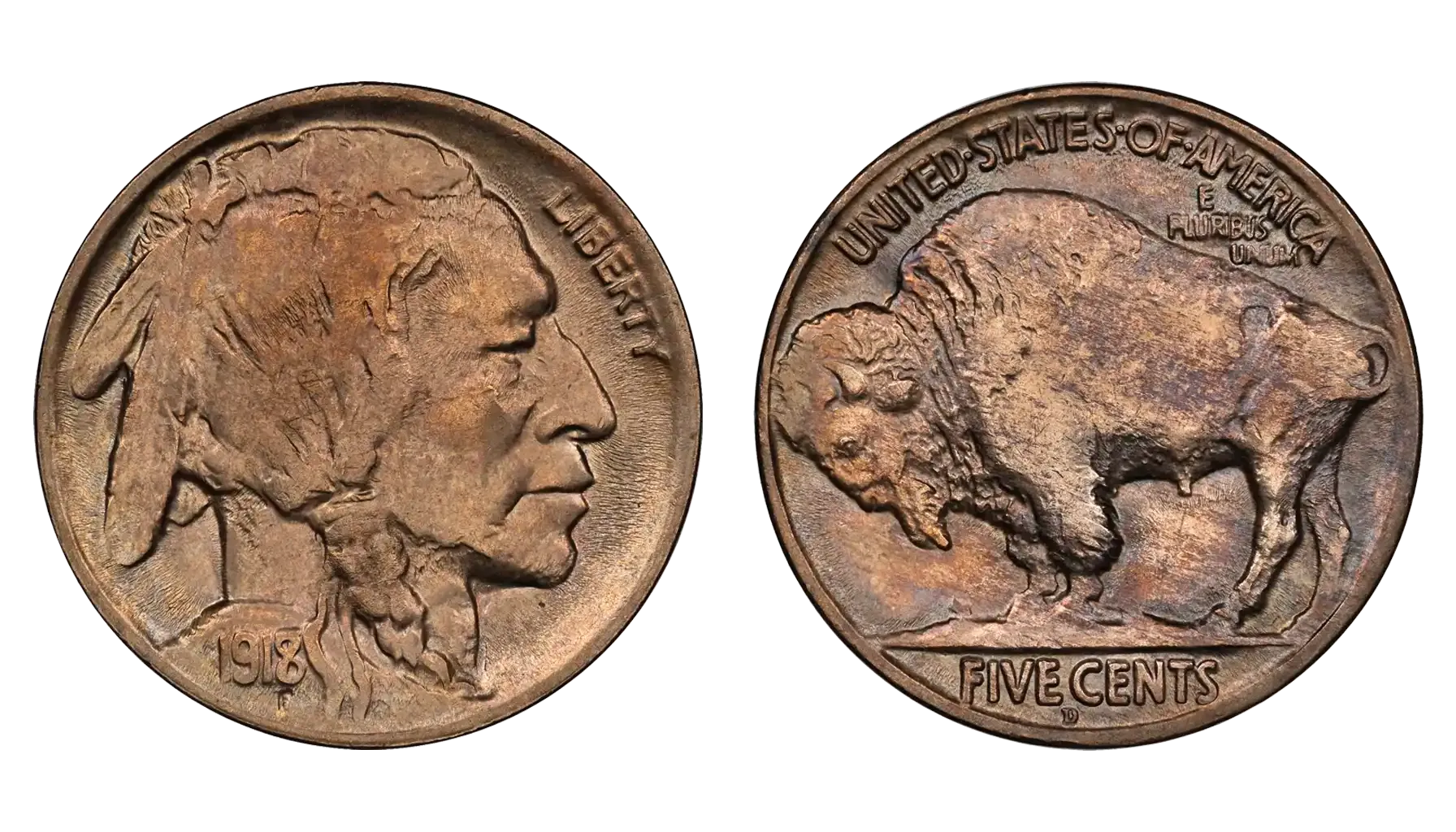
Auction record: $350,750
This is the most valuable Buffalo nickel in the series, according to the PCGS auction-prices page. As a rule, such an error occurs when a working die with an earlier date was repunched or altered. Hence, the 7 lies beneath the final 8 in the date, and it is one of the key trophies of the entire Buffalo nickel program.
Doubled Die Obverse/Reverse Errors
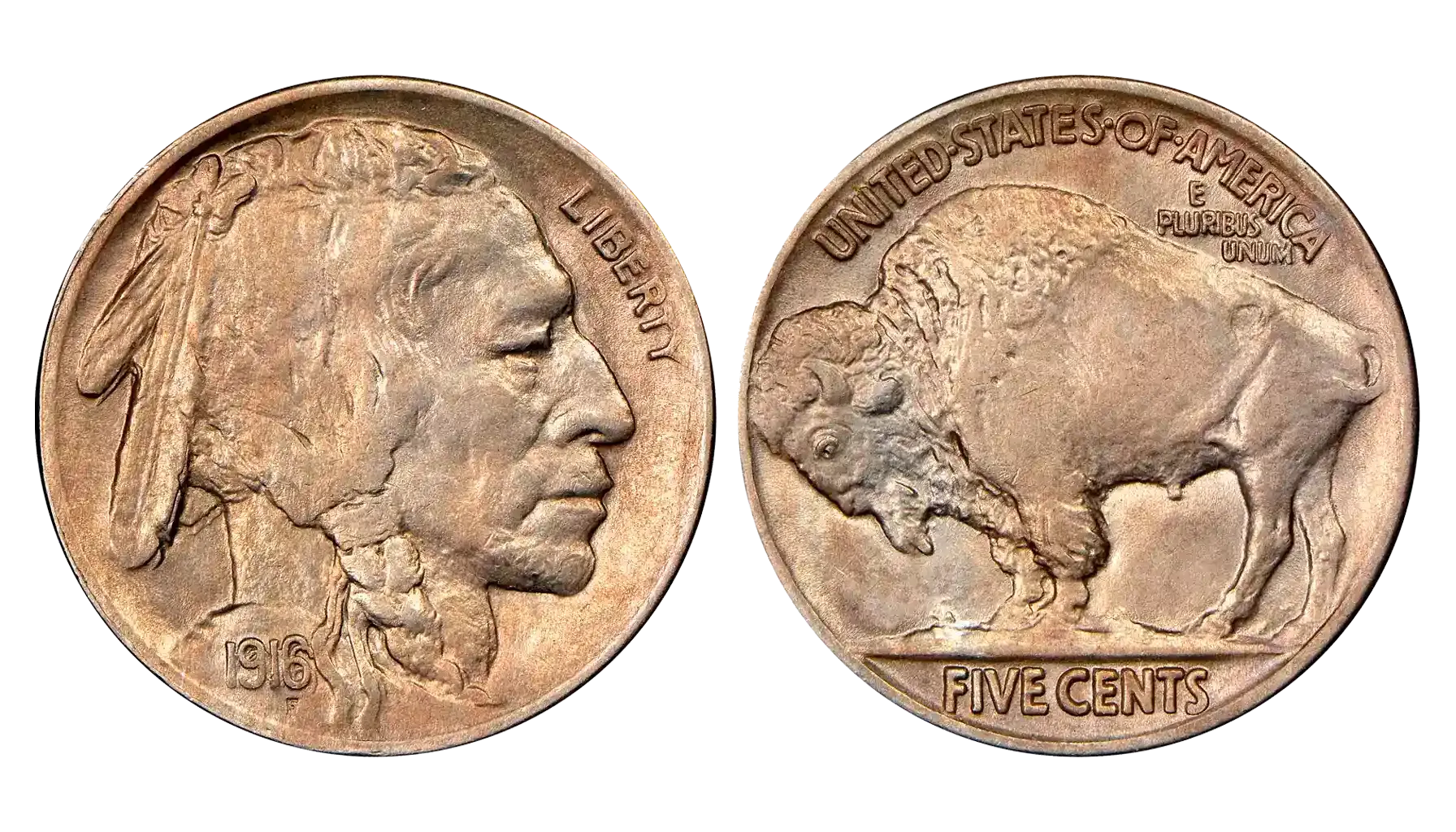
Auction record: $281,750/$104,650
The doubled die errors refer to two types of numismatic deviations at the same time. In this case, the doubling appears on the obverse or reverse side, and the main part of the design details carries secondary impressions on its part. One may see the error without extreme magnification, which is why this imperfection is a perfect match.
3 Legged Buffalo Nickel Value Explained (1937)
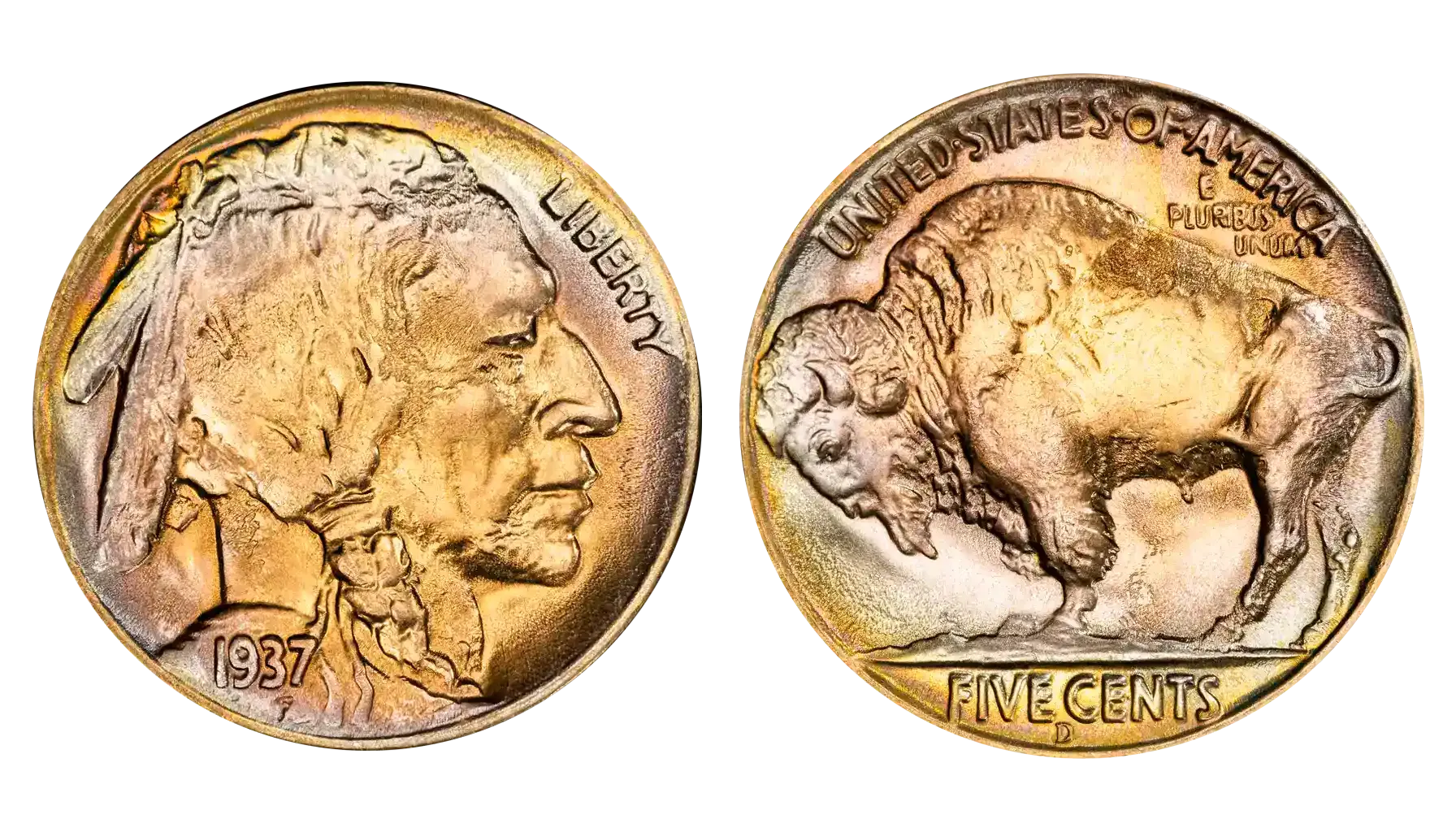
Produced by: Denver Mint
Mintage: 17,826,000
Auction Record: $99,875 for MS66+
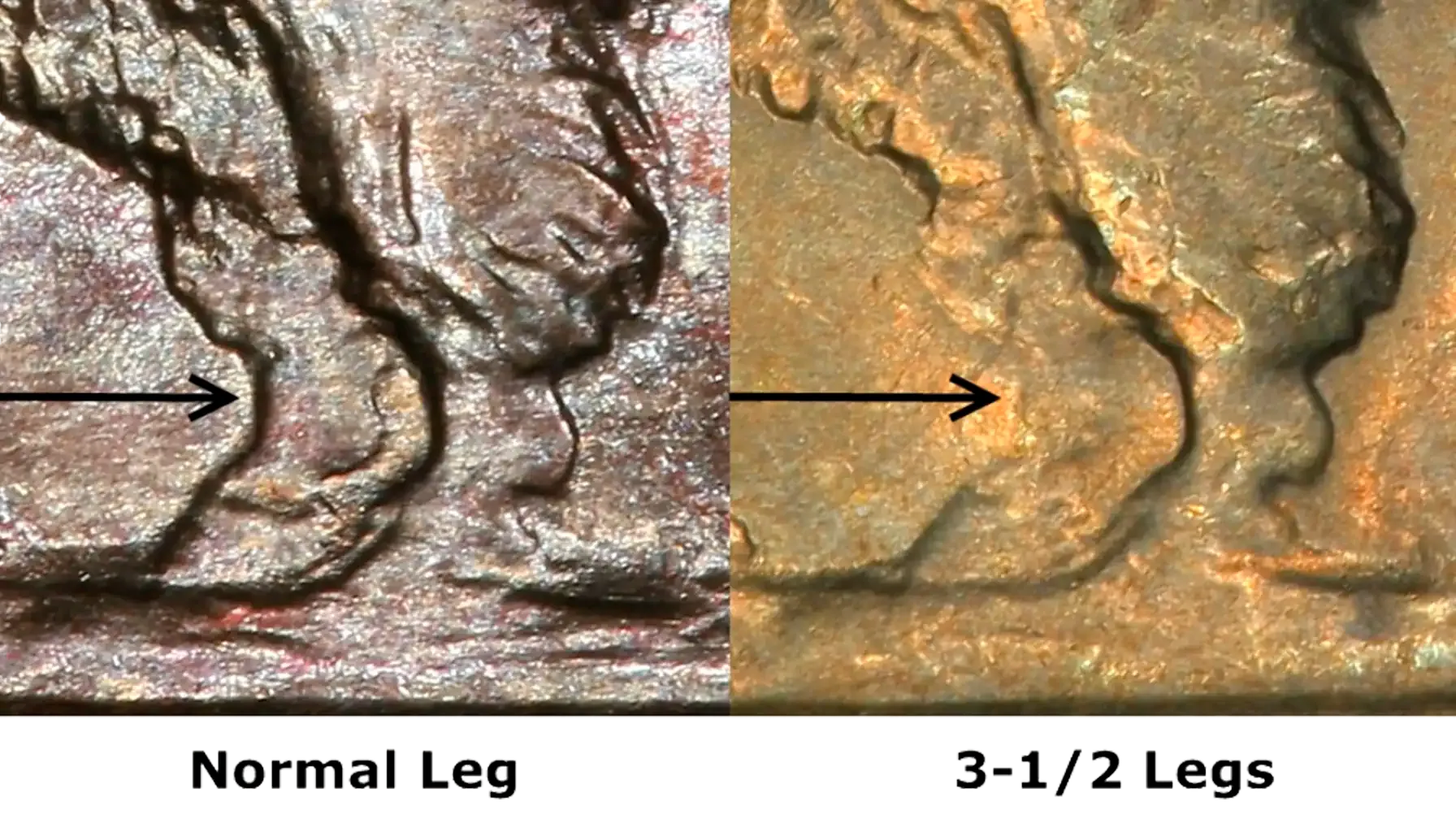
The story of production was quite amusing. To be more precise, it was created when an overzealous mint employee accidentally polished away part of the image, which left a surreal image of a three-legged bison, with a faint, telltale line resembling a "stream" beneath its belly ( serves as a key identifier for authentic 1937 three legged buffalo nickel examples).
What Makes a Buffalo Nickel Rare?
Low mintage: Years that produced smaller volumes of coins (and may boast lower survival rates).
Major errors and varieties: Deviations and unique types, different from the standard design patterns.
High grade: MS68-MS70, which is the indicator of how well the coin is preserved.
Full horn detail: The presence of a unique designation.
Original surfaces: The preservation of surfaces that have not been cleaned, scratched, damaged, or artificially altered.
How to Identify a Valuable Buffalo Nickel
Step 1. Check Condition and Wear.
Is a buffalo nickel worth anything? Yes, for sure, because it is a coin! Now, let us be serious. The amount of wear on a coin has a huge impact on its worth, though. Higher-grade nickels, including those with a lot of detail on the buffalo and the Indian profile, will usually sell for more, even if they do not have a date. Less-worn coins are far more valuable than extensively worn ones, especially if they are uncirculated or almost uncirculated.
Step 2. Look For Mint Marks
Those who wonder “What is a buffalo nickel worth?” should also pay attention to the mint marks. The mint mark, either D or S, located on the reverse side, may still be evident and useful for determining the background even if the date has vanished. Particularly expensive Buffalo Nickels from specific mints, such as the 1913-S or the 1937-D "Three-Legged Buffalo," can fetch far higher prices than their face value of five cents.
Step 3. Identify a Type of Design

Buffalo nickels are available in two distinct types, which come down to Type 1, featuring a buffalo on a raised mound, and Type 2, depicting a buffalo on flat ground. To identify it properly, utilize tools like Coin ID Scanner by pointing the camera right via the app so as to detect its type in an instant. What is more, never neglect the AI Assistance, as it might give you insights into where this nickel was minted.
Step 4. Know Key Dates and How Rare Your Coin Is
Although it may be challenging to identify certain key dates when there is no date (though Coin ID Scanner may make an attempt to do so), collectors might still take the coin's overall rarity into account, which is usually apparent and shared via forums and coin-collecting social media. Even a dateless coin could originate from a rare mint or year, as certain mintmarks and years are more scarce than others.
Step 5. Evaluate Current Market Demand
Lastly, pay attention to the market demand, for it always has an impact on the value of any numismatic item. The Buffalo Nickel series is still overly collectible, and the price can fluctuate depending on the state of the market at any particular time.
The buffalo nickel value no date cannot be overestimated, though it is difficult to identify the real price of each instance appropriately. So, take into account numerous aspects regardless of the coin type, and rest assured, your collection is to be the best!
FAQs
How do I tell if my buffalo nickel is worth anything?
Check the date, mint mark, condition, and any visible errors or varieties. Should it be unique or exceptionally preserved, it is definitely a rare find.
Are Buffalo nickels 100% silver?
No. Buffalo nickels contain no silver.
What years of Buffalo nickels are most valuable?
1913-S Type 2, 1916 Doubled Die Obverse, 1918/7-D, 1921-S, 1924-S, 1926-S, 1935 Doubled Die Reverse, and 1937-D.
What if my buffalo nickel has no mint mark?
This means that the coin comes from the Philadelphia Mint. It is not an error or unusual variety, though.
What are the two types of Buffalo nickels?
The two main types are 1913 Type 1 and 1913 Type 2: type 1 shows the bison standing on a raised mound; type 2 places the bison on a flatter line.
Are Buffalo nickels pure nickel?
No, as they are made of 75% copper and 25% nickel.

 Facebook
  X (Twitter)
  Pinterest
  LinkedIn