Contents:
Military numismatics grows out of real stories—units, missions, important dates. U.S. Army coins and tokens started spreading in the 20th century, well before today’s collecting programs, and now the field includes an extensive set of issues.
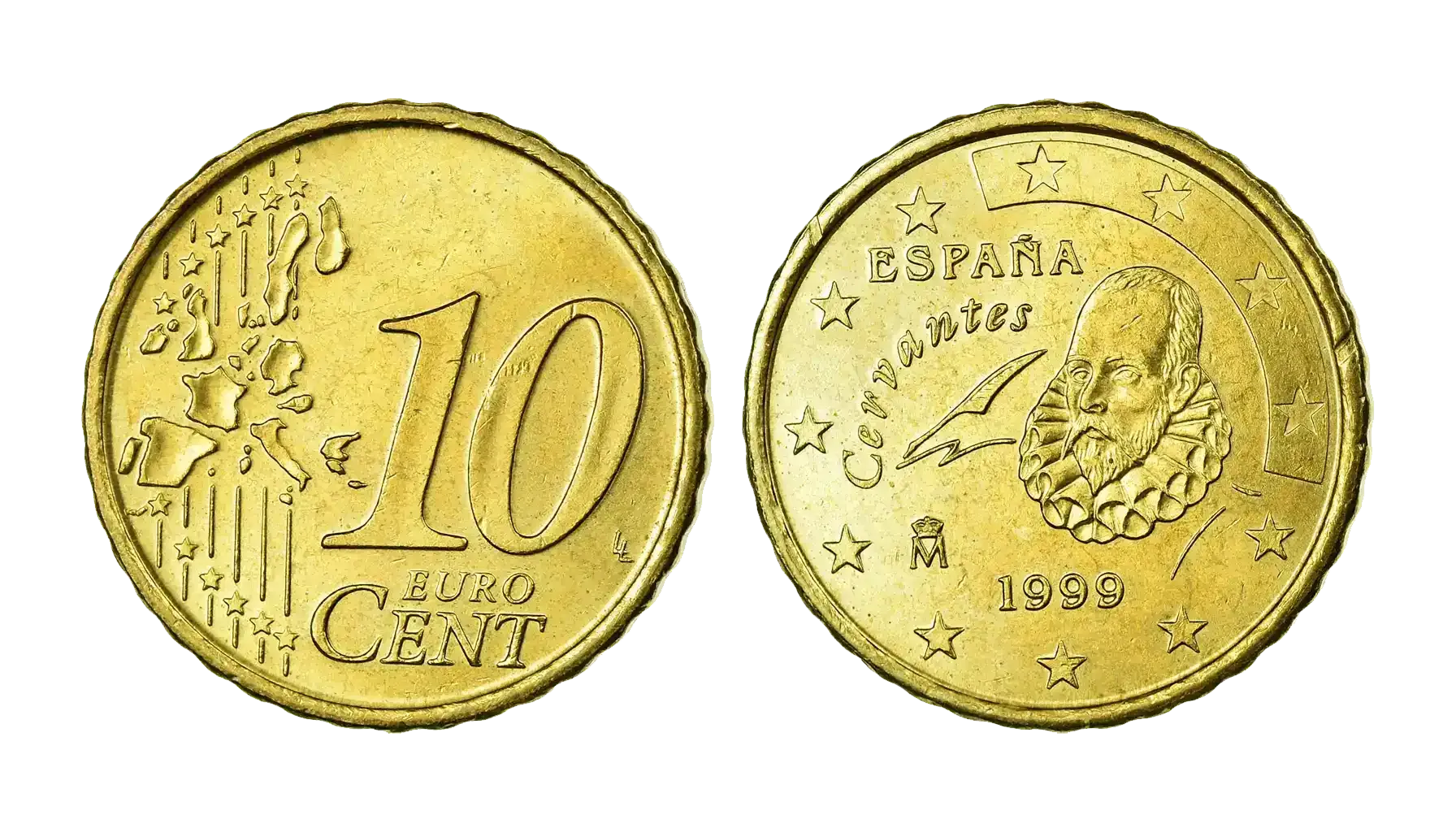
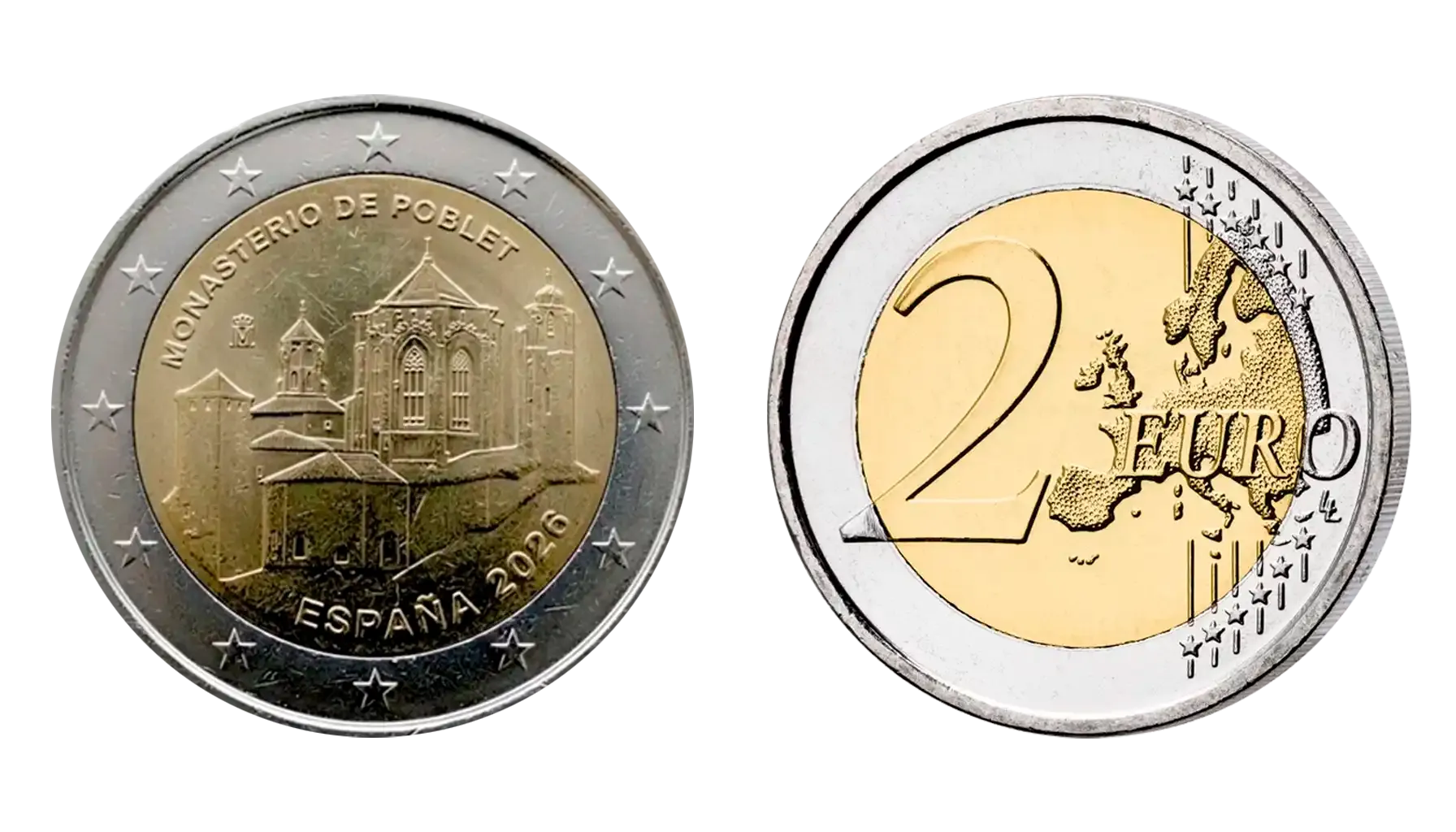
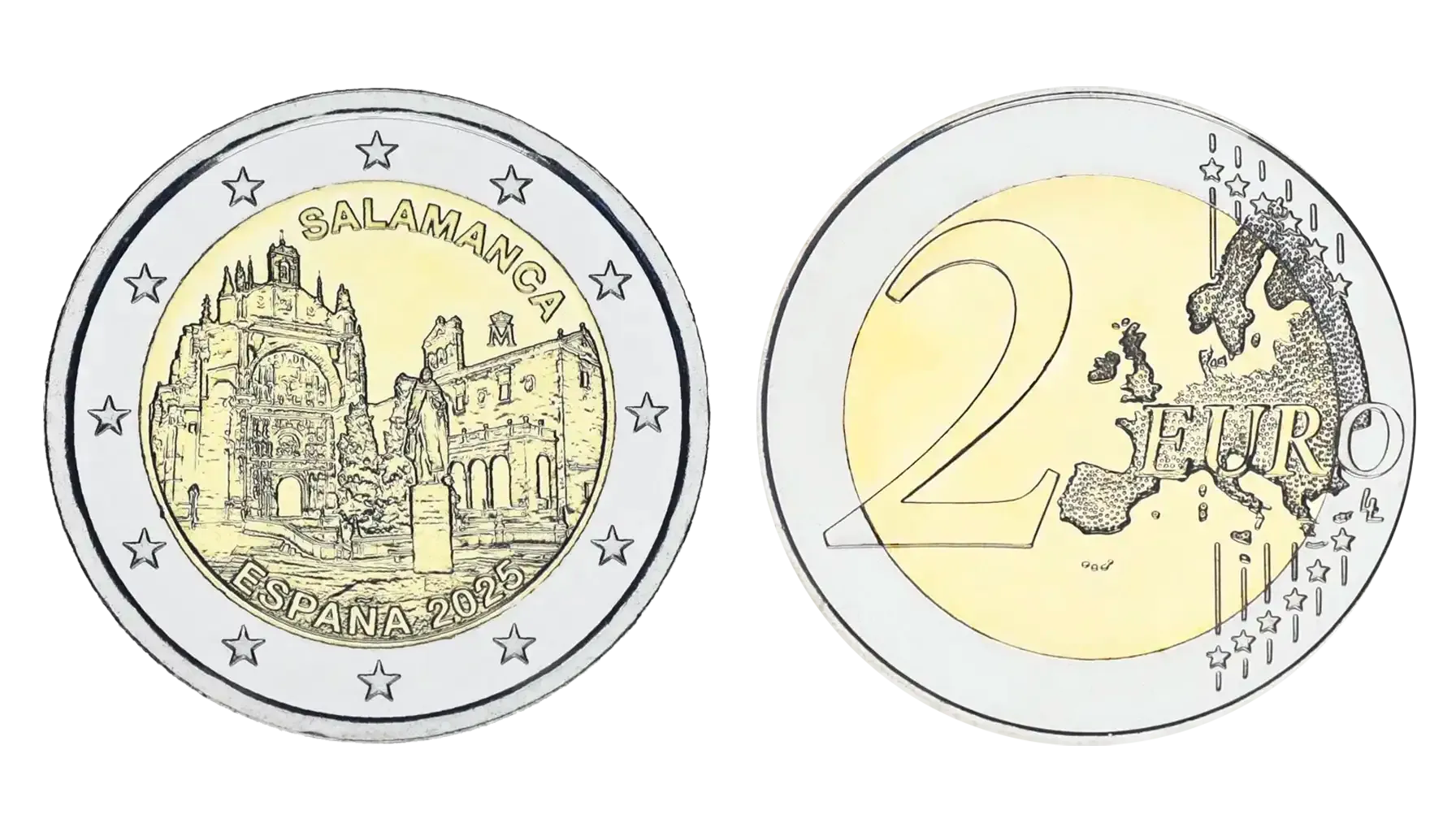
For those who take the topic seriously, learning to identify foreign coins helps: this teaches them to distinguish between commemorative medals, Army award medals, and official federal-issue pieces.
The Tradition and Purpose of U.S. Army Coins
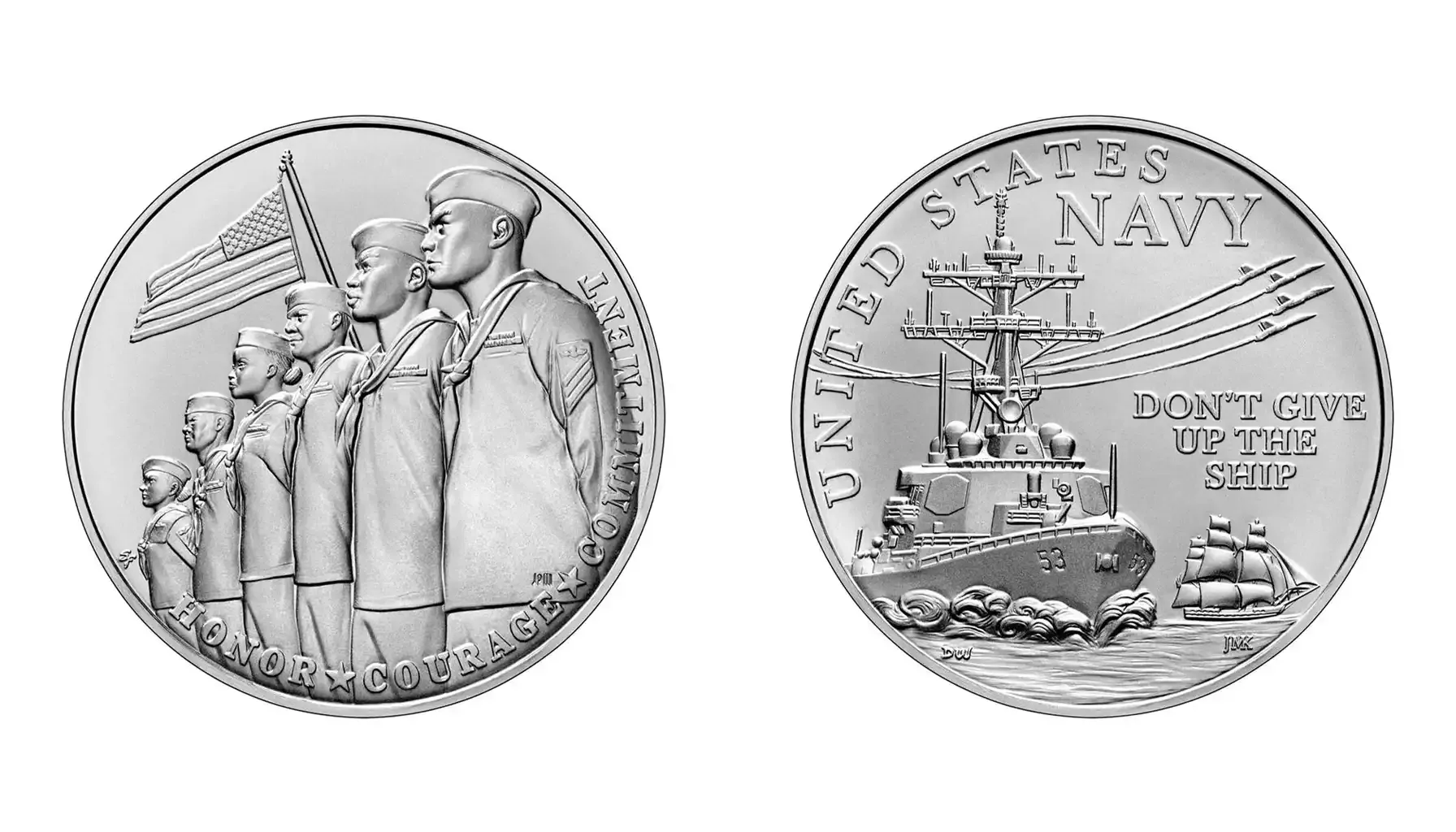
Different branches of the military developed their own ways to commemorate service, and dog tags became part of this culture. Each Army coin was distributed across a limited number of units, not officially sold.
Why does this specimen continue to hold such interest?
Dog tags are tied to actual units and individuals;
The design reflects an emblem, motto, mission, or operation date;
The batch size is often small, increasing scarcity;
Within units, such items have a symbolic status.
A parallel market for commemorative programs, including those issued through federal programs, is emerging. A number of catalogs also offer modern programs like 2022 coins for comparison.
For a quick price assessment, the Coin ID Scanner app is convenient. It compares an image with catalogs and sections featuring various issues, including the US Mint Army coin, helping to quickly determine the approximate price range and condition of the piece.
Types of Army Coins: Unit, Commemorative & Special-Issue
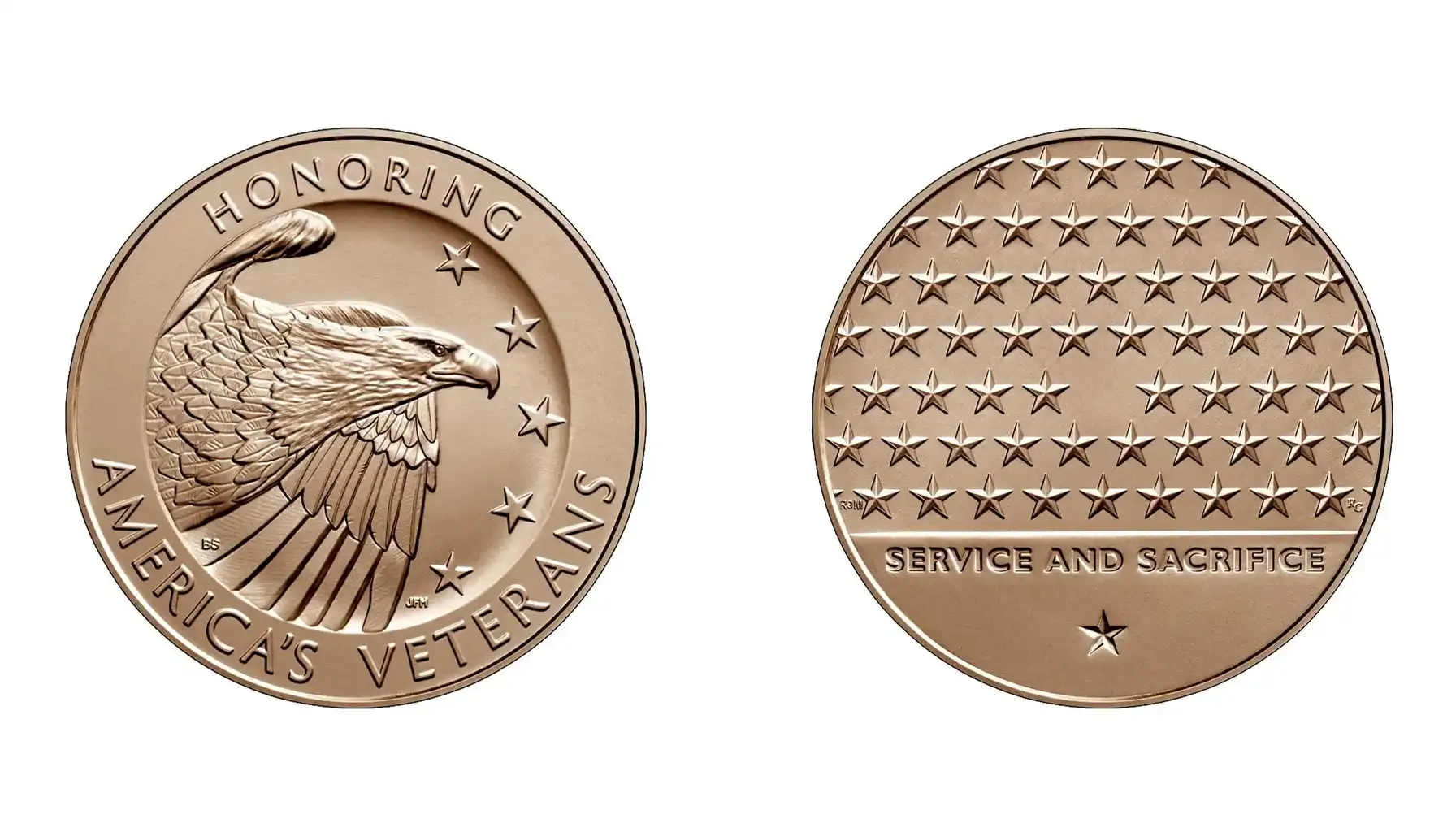
The collections are divided into several categories. Each has its own market and parameters by which value is assessed.
Unit Coins:
This category includes pieces created by specific units. A US Army сoin can be identified by:
Company, battalion, or division emblems;
Mention of an operation or duty station;
Use of branch symbols;
Dates and unit-specific markings.
Tokens often have unusual designs. Dark enamel, complex contours, and colored inserts are common. Condition, rarity, and origin determine the price.
Commemorative Issues:
This category often includes issues referred to as coin Army—official commemorative specimens created for specific historical events or services. These can include:
State medals;
Collector sets;
Commemorative sets of federal institutions.
They feature standardized design, high-quality dies, and a unified set of technical parameters.
Among the most popular collectibles are US Army challenge coins—award pieces issued for exceptional achievements. They have a limited distribution and are subject to traditional, informal rules for transfer within units.
Collectors typically pay attention to:
Unique emblems;
Operation date;
Material (brass, alloys, enamel);
Special effects such as 3D relief.
When such items appear on the secondary market, people look for Army challenge coins for sale online, where the range varies considerably.
Sometimes, collectors include more than just military pieces in their collections. For example, when analyzing the historical context, they might recall series like the Harriet Tubman coin.
The main types:
Type | Description | Average Price |
Unit Coins | Unit-specific tokens | $10–$60 |
Commemorative | Official commemorative issues | $30–$150 |
Challenge Coins | Award or recognition versions | $50–$200 |
Special-Issue | Limited-edition sets | $20–$180 |
Prices are current as of the time of writing.
The U.S. Army 250th Anniversary Coin
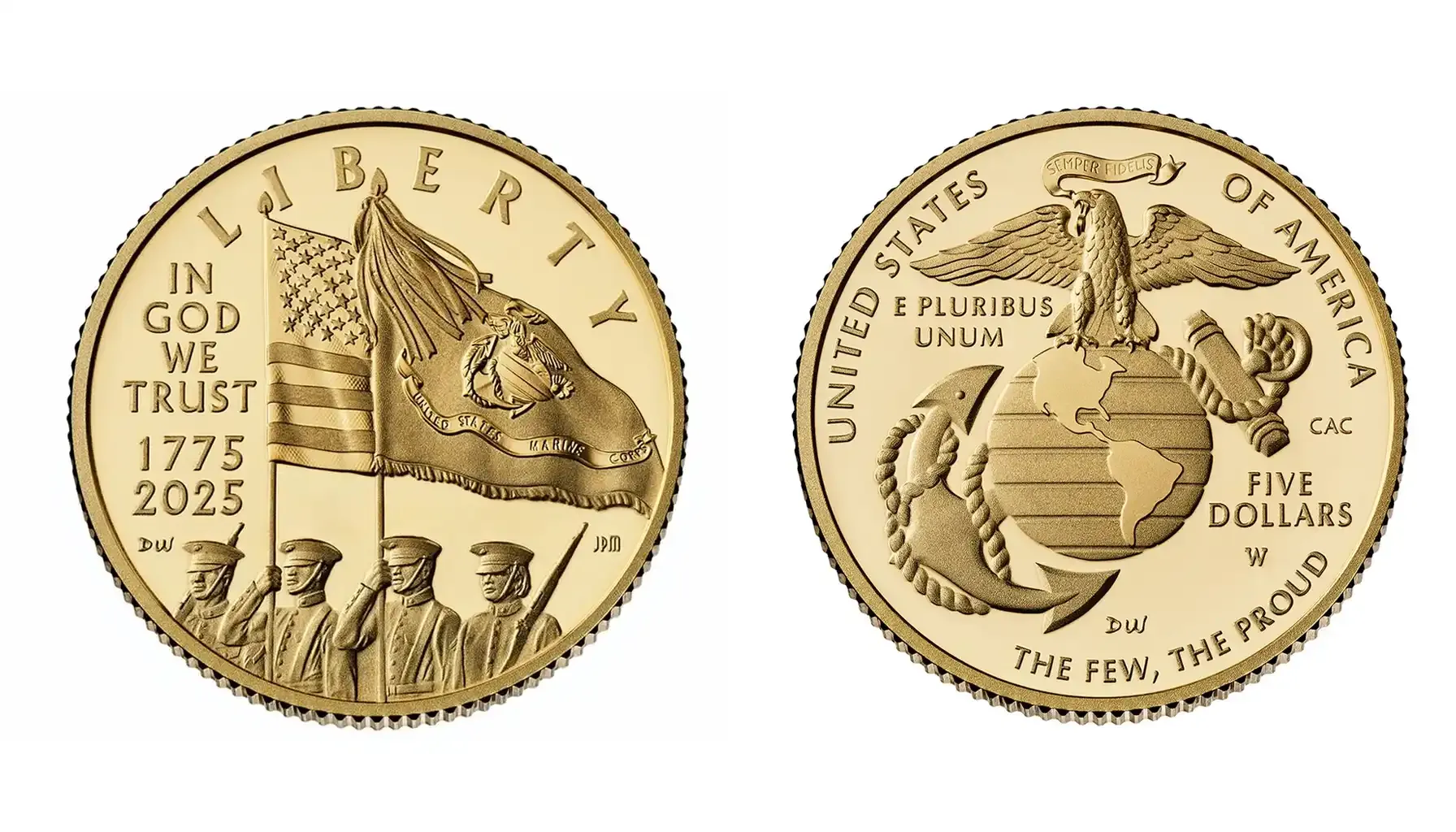
The most discussed piece in the series is the US Army 250th Anniversary coin. It’s the official U.S. Mint commemorative issue and is viewed as the main coin of the series.
The commemorative programs combine a historical date with official status, making the series stand out even among those who don't collect military memorabilia in general.
The series includes versions in various metals and formats. Among the most discussed categories, collectors often begin their exploration of commemorative sets with the Army 250th Birthday coin, as this variety is well-suited to:
Those who compile collections by date;
Those who collect event-related releases;
Those who create historical sets.
Some collectors begin their selection with the US Army Silver coin because the silver version best captures the fine design elements. These are assessed for:
Surface clarity,
Depth of luster,
Degree of relief detail,
Whether the visual quality meets the series’ standards.
If a collection is compiled by year or by significant date, collectors also include other variations of the commemorative program. Catalogs typically include specimens from the broader 250th Army coin group—this makes it easier to:
Compare appearances;
Analyze the quality of execution;
Note the differences between versions of the same cycle.
“It’s a sense of pride. When a Soldier receives a challenge coin, it’s an on-the-spot impact award—a recognition of what that Soldier has done right. It means somebody noticed, and it means it mattered.”
— Byron Loyd, U.S. Army
Official U.S. Army publication: “Challenge coins more than just metal”
Within the 250th Army Anniversary coin series, the low-mintage lots are of particular interest, as they exhibit greater production variations. Here, attention is paid to:
The nature of the die pressure in different issues;
Differences related to alloy processing;
Variations arising from changes in equipment or minting conditions.
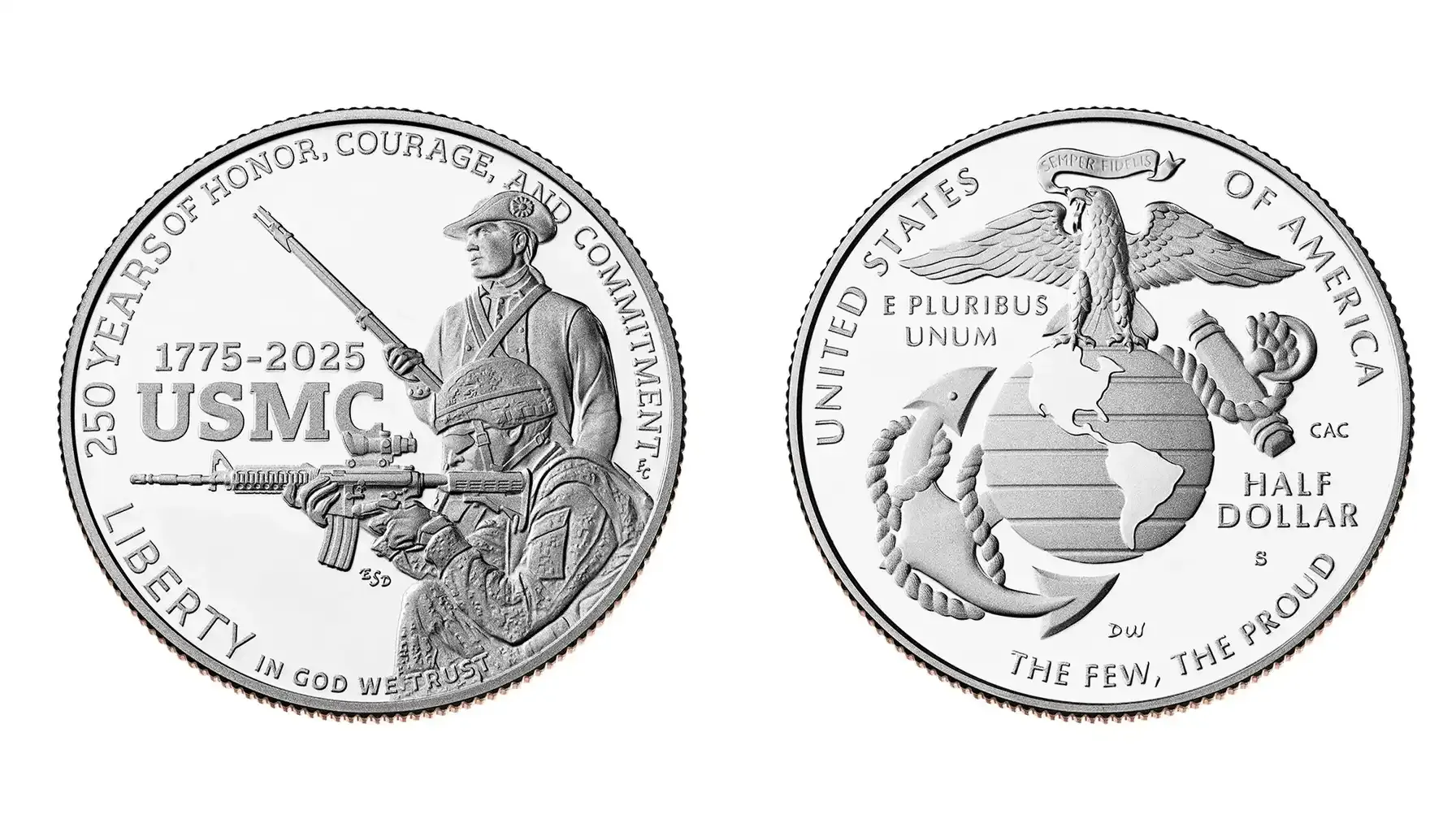
Some numismatists purchase the commemorative versions of the U.S. Army 250th Anniversary coin as part of ready-made sets featuring various striking variations. These sets are ideal for those who want:
The full set;
A uniform storage format;
A complete set of varieties without having to search for them individually.
For those relying on technical specifications, the most convenient way is to use the data in the U.S. Mint catalog. The reviews are divided into sections that include:
Metal characteristics;
Mintages;
Images of individual issues.

 Facebook
  X (Twitter)
  Pinterest
  LinkedIn