Contents:
Each numismatist has a different approach to work, however, U.S. mint uncirculated coin sets value should be available to everyone.
This is not only about the common places of coinage, but also the most unusual and various coin sets.
What Are Mint Coin Sets?
This is the official collection of all standard copies. They are in circulation and issued by the United States Mint for a specific year.
These sets are uncirculated coins of any type. For example, nickels or quarters.
The main purpose of such sets is to provide collectors with untouched samples released into general circulation, as a rule, from each operating mint.
Differences
Mint Sets: This is a set consisting of such issues, which are also used in ordinary circulation. They are selected for quality, they are minted using conventional stamps.
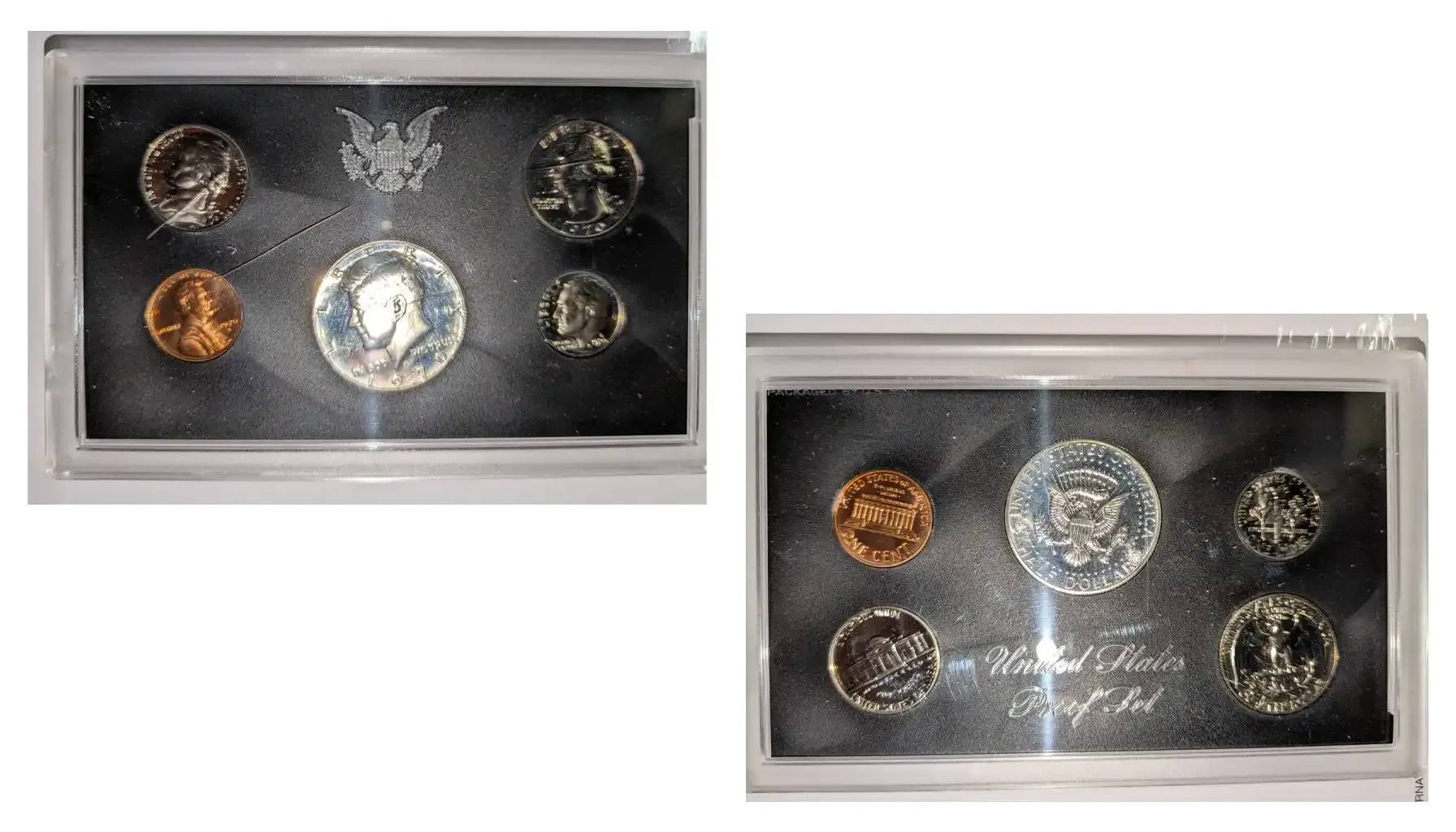
Proof Sets: This is a set of examples minted using specially polished stamps. Specially prepared planchet are used for them. The result is a mirror field and matte design elements. Usually high detail.
They are produced exclusively for collectors and, as a rule, by the San Francisco Mint. The mint prestige proof coins set is an example of this.
Uncirculated Coins: These are any individual coins that have never been used in transactions. The mint simply combines several such coins that have not been put into circulation.
The History of U.S. Mint Coin Sets (1947–Date)
The official history begins in 1947. Prior to this, collectors could sometimes purchase rolls of uncirculated coins directly at the mint.
These early sets were quite simple, often they were just coins sealed in cellophane or plain cardboard. After many decades, the appearance and contents have changed.
Period and type | Features | Value Range |
1947–1964 | 90% Silver Dimes, Quarters, Half Dollars | $50 - $500+ |
1965–1967 (SMS) | Unique satin finish; 40% Silver Half Dollars | $20 - $150+ |
1968–Present | Clad Coinage; Standard Business Strike | $10 - $75 |
1947-1964: 90% of the sets consist of silver dimes, quarters and half dollars.
1965-1967: The U.S. Mint temporarily discontinued production of both standard coinage and trial sets. Instead, they released "Special Coinage Kits."
Resumption of production after 1967: The Mint resumed regular production of coins. It has been adapted to new designs.
Modern Mint Sets: Modern mint sets (1947 to date) often contain detailed information, good packaging, and may include special editions.
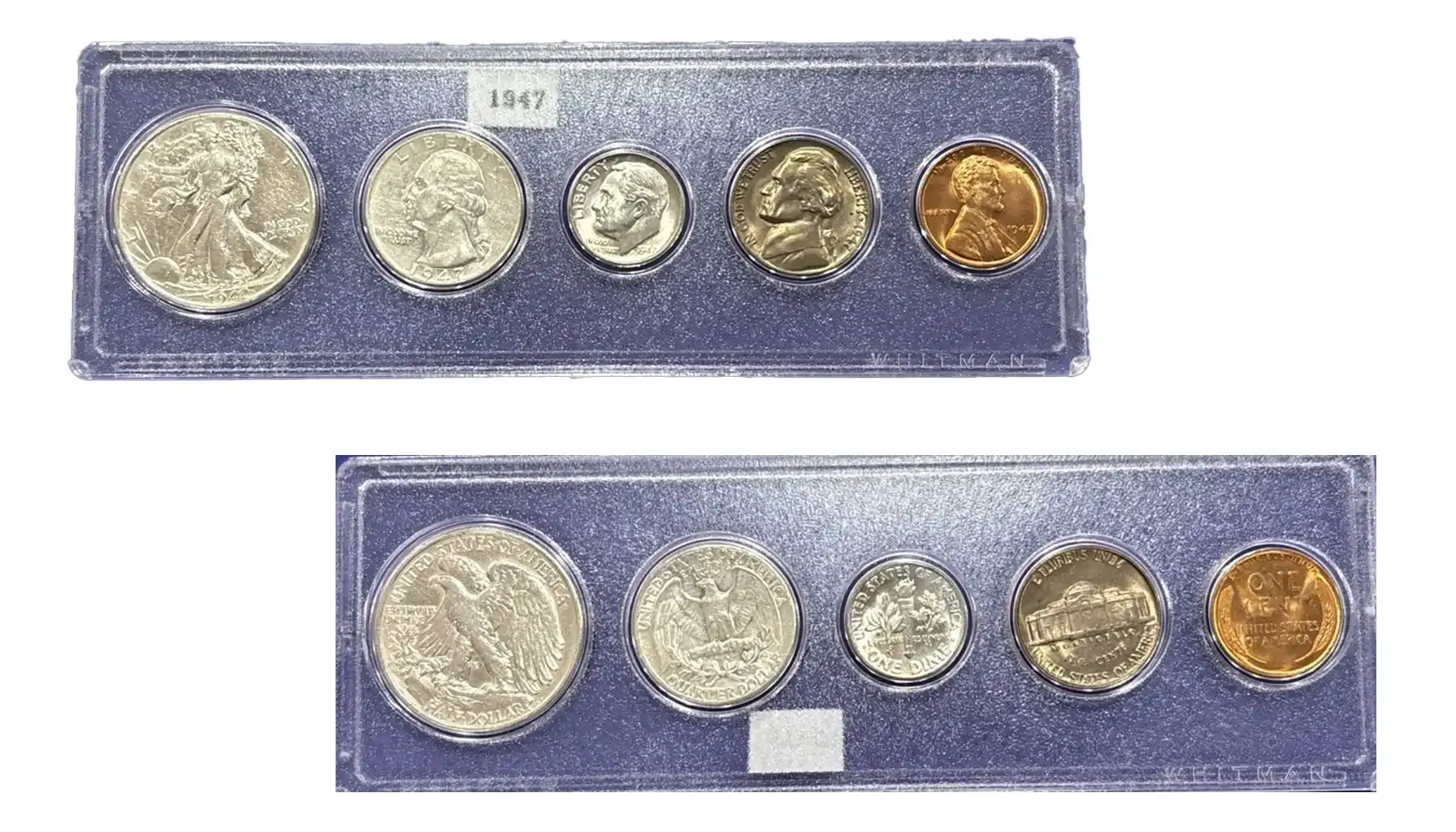
Understanding Mint Coin Sets by Year
Each issue is unique not only in release dates, but sometimes also in composition, mint marks, and even packaging options.
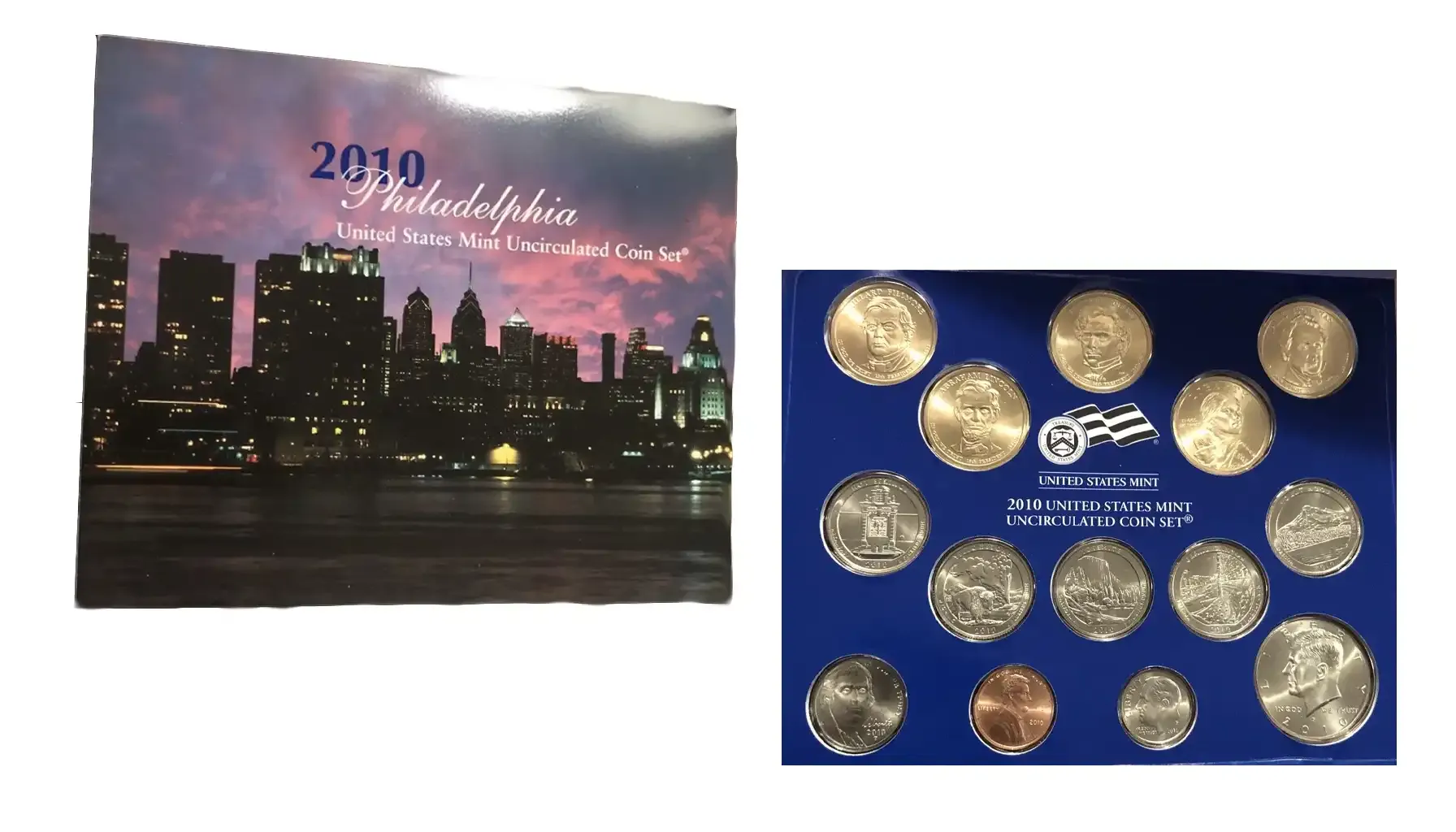
The set usually includes one copy of each denomination in circulation from each U.S. mint. These are usually coins from Philadelphia and Denver.
To accurately determine the composition of the set, you need to check the date on the coins themselves and the mint marks.
For example, special edition proof sets will contain proof coins with special differences and the mint marks "P" or "D" on the corresponding denominations.
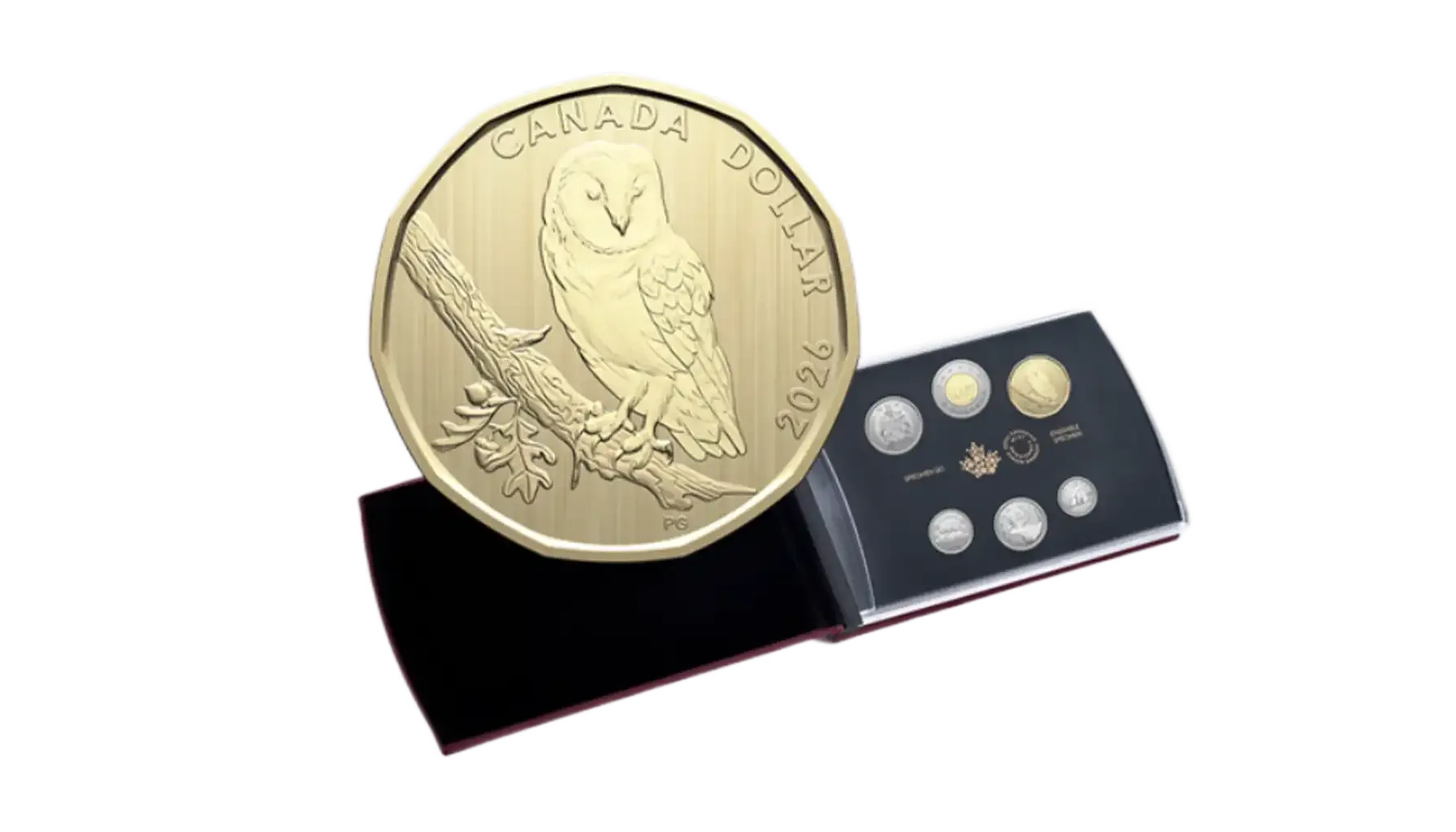
In addition to the regular issues, the U.S. Mint also produces special editions and commemorative coin sets.
Mint Coin Set Values Over Time
Rarity: The number of sets originally released in a given year.
Condition: Any signs of wear, scratches, tinting, or damage to the coins themselves or the original packaging will reduce their value.
Demand: Popular designs, historically significant years, or sets containing key dates are in high demand.
The most valuable purchases date back to 1947-1964. These sets consist of 90% silver coins.
The 1965-1970 collections are also popular due to the 40% silver content per half dollar and the unique "Special Mint" finish from 1965-1967.
In terms of modernity, the United States often approaches the original issue price. Sometimes a little higher or lower. It depends on the specific print runs and collectors' interest in this year's samples.
Collecting Mint Coin Sets: Tips for Beginners and Experts
Do not touch the specimens with your bare hands. Use special gloves. Otherwise, the oils and acids from your skin may leave fingerprints on the surface. This will reduce the value.
If you store collections in moisture, with sudden temperature changes, or in non-archival materials, then stop doing this faster. Otherwise, you risk finding tinting, corrosion, or destruction of the packaging itself on the metal.
When buying, be sure to check your purchase with professional dealers or auction houses.
A bargain purchase of a damaged set is rarely a bargain. Wealth is the main factor for value.
Rare and Error Mint Sets Worth Collecting
The U.S. Mint strictly monitors the quality. However, rare collections or errors can sometimes slip through. This is exactly what is worth your attention.
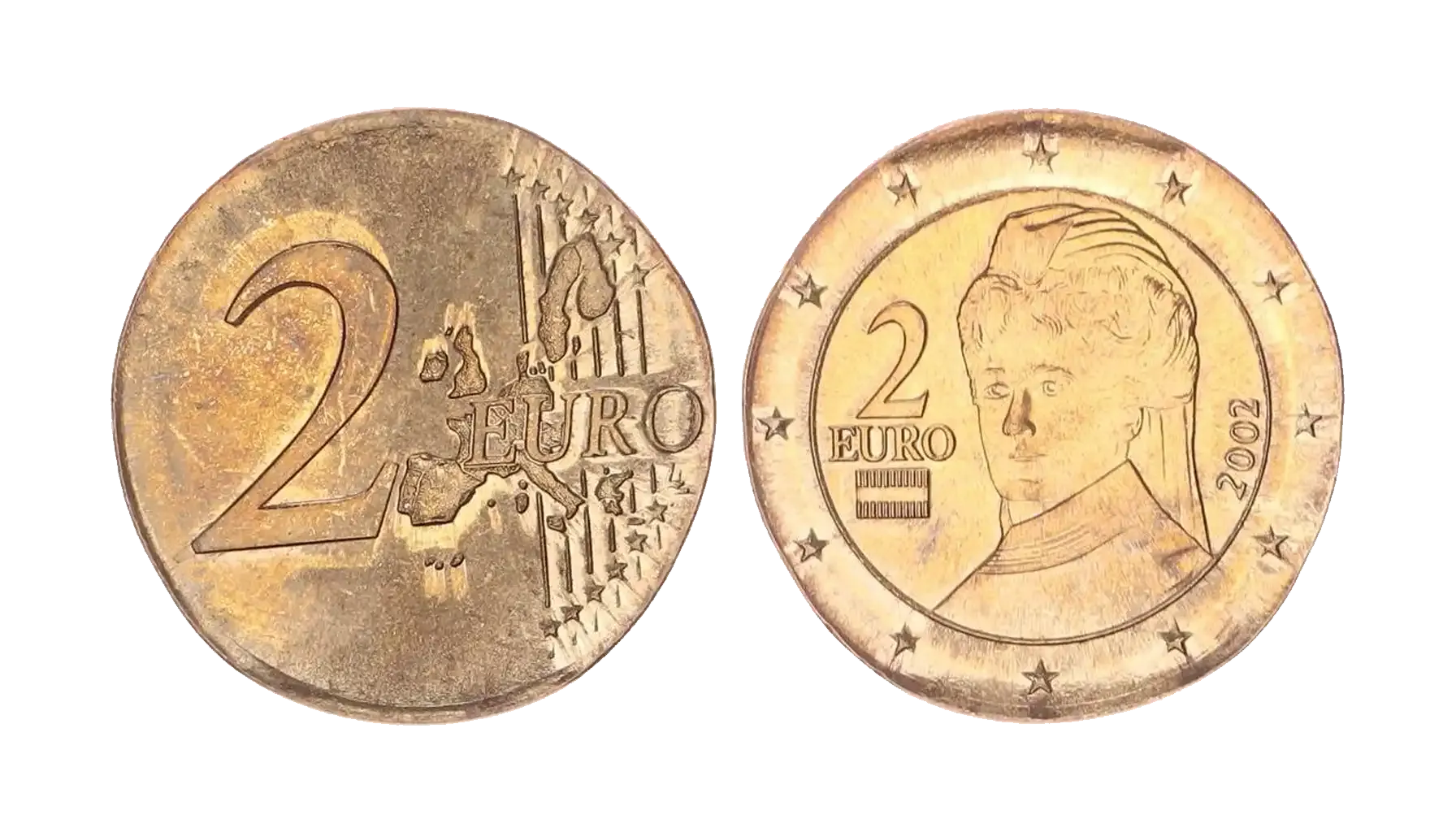
These factors include errors in the manufacture of double stamping. This is when the design elements look noticeably doubled due to displacement during the stamping process.
Or there may be no mint mark. In addition to the errors in the coins themselves, there are also packaging features. For example, a set that lacks a coin or has some additional one.
Among the most popular are those that were released in years with low circulation. Due to the matte finish and limited production time during the transition period to U.S. coinage, coins from 1965-1967 are in high demand.
FAQ – U.S. Mint Coin Sets (1947–Date)
What is the difference between a Mint Set and a Proof Set?
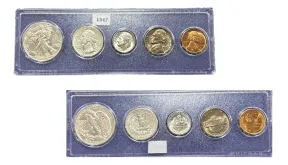
Take, for example, the 1947 mint set. This one was assembled from good condition specimens. You can pay at the store based on the type of payment.
But the 1947 proof set is another matter. Special tools were used to create such examples. The design of these coins looks clear and shiny.
Which U.S. Mint Coin Sets are the most valuable?
Due to 90% of the silver, the most valuable are the 1947-1964 years of manufacture. Also, the silver content of 1965-1970 years of manufacture is 40%. They are also unique in SMS.
How can I find out the value of my Mint Coin Set?
First of all, use only trusted services or official sources. Most often, numismatists turn to the Red Book or the PCGS/NGC online resources. You can also view the latest auction results or find your specialist.
Are Mint Sets from the 1950s and 1960s worth more?
Yes. These sets include 90% silver dimes, quarters, and half dollars, and 40% silver half dollars. This silver content, coupled with their age and history, often makes their US mint set values higher than modern sets.
What is included in a typical U.S. Mint Coin Set?
There's a penny, a nickel, a dime, a quarter, a half dollar, and sometimes a dollar coin. Each of the examples is in circulation. They are also taken from each mint that issued them this year. Everything is uncirculated.
How should Mint Coin Sets be stored to prevent damage?
Store them in a cool, dry place. Purchase special albums for storage. Also, use clean cotton gloves, do not touch with your bare hands.
Where can I buy authentic Mint Sets directly from the U.S. Mint?
The U.S. Mint sells minting kits only for the current year of issue through its official website.
You can buy older versions from other sources: well-known auctions, dealers, and other online platforms like eBay.
Are modern Mint Coin Sets a good investment for collectors?
First of all, you need to determine the purpose of your investment. If you want to benefit, then the US mint coins value is not that big in monetary terms.
However, if the main thing for you is the coins themselves, their features and future history, then it's definitely worth it.

 Facebook
  X (Twitter)
  – Hidden Gems of American Coinage History & Value) Pinterest
Pinterest  LinkedIn