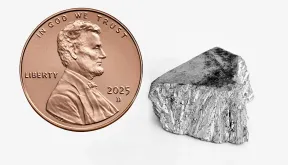
Zinc might not be the metal we hear of every day, but it is exceedingly popular. Most coins nowadays have at least a bit of zinc in them, from a penny to a dollar.
How much does a zinc penny weigh? What does it look like? How much is a zinc penny worth? Let’s tackle these questions.
Modern apps can analyze your coin collection value. These platforms are a great help to any collector.
What Are Zinc Pennies?
The cents that were made with this metal are all called zinc pennies. You can find such coins in many parts of the world, but the most popular penny zinc examples come from the United States.
The most prosperous zinc penny years were 1982 and onward, when the U.S. Mint changed its cent’s composition from mostly copper to mostly zinc. Pennies in the United States have always had some zinc in them. For example, the old 1918 penny. It was primarily bronze, but still had about 5% zinc.
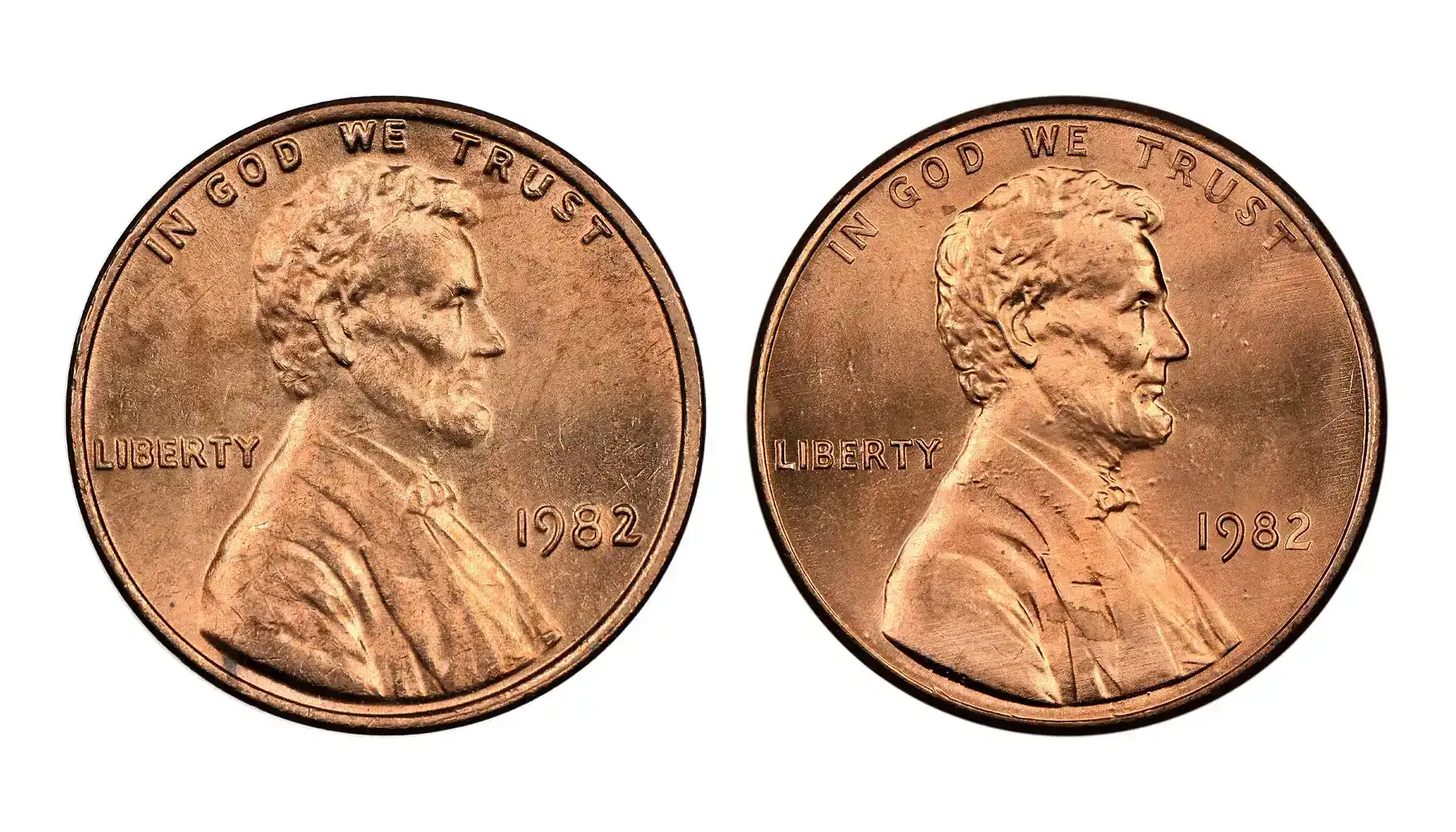
Then, in 1982, came a change. To reduce rising production costs caused by expensive copper prices, the Mint adopted a new structure: a 99.2% zinc core coated with a thin layer of 0.8% copper.
To make things simpler to understand, here’s a comparison of an old cent and a modern bit:
Feature | 1918 U.S. Penny | 2025 U.S. Penny |
Year of Minting | 1918 | 2025 |
Metal Composition | 95% copper, 5% tin & zinc | 97.5% zinc core, 2.5% copper plating |
Shape | Round | Round |
Diameter | 19.05 mm (0.75 in) | 19.05 mm (0.75 in) |
Thickness | 1.52 mm (0.0598 in) | 1.52 mm (0.0598 in) |
Weight | 3.11 g | 2.5 g |
As you see, the metals almost “swapped” in their presence. Modern pennies do have some copper left, but barely. The copper layer is no wider than a hair strand. This way, the coin is cheaper, but still has the appearance of a rich copper piece.
“Copper is roughly twice as expensive as zinc and undergoes more volatile price changes… The new coin will also be easier to produce, since zinc is softer than copper and doesn't have to be subjected to high-temperature softening process.”
— Mary Tobin
UPI Archives
Fun fact: The 1982 penny is an exclusion from the rules. 1982 was a transitional year, and both copper and zinc versions were produced.
Value of Zinc Pennies
In general, the zinc penny value is around $0.01, its face value. Cents have been produced in the billions every year since 1982, and their metal by itself has a low cost. These factors made new cents both affordable and cheap.
However, a few pennies have a higher value than most, due to a few factors:
1. Uncirculated examples (Mint State):
Cents that have never been used and remain in pristine condition are popular among the ocellocytes. Such coins are rare and beautiful.
Coin grading reflects the condition of coins. Coins could have a grade from 1 to 70, and the ones graded above 65 can be worth at least a few dollars
2. Error varieties:
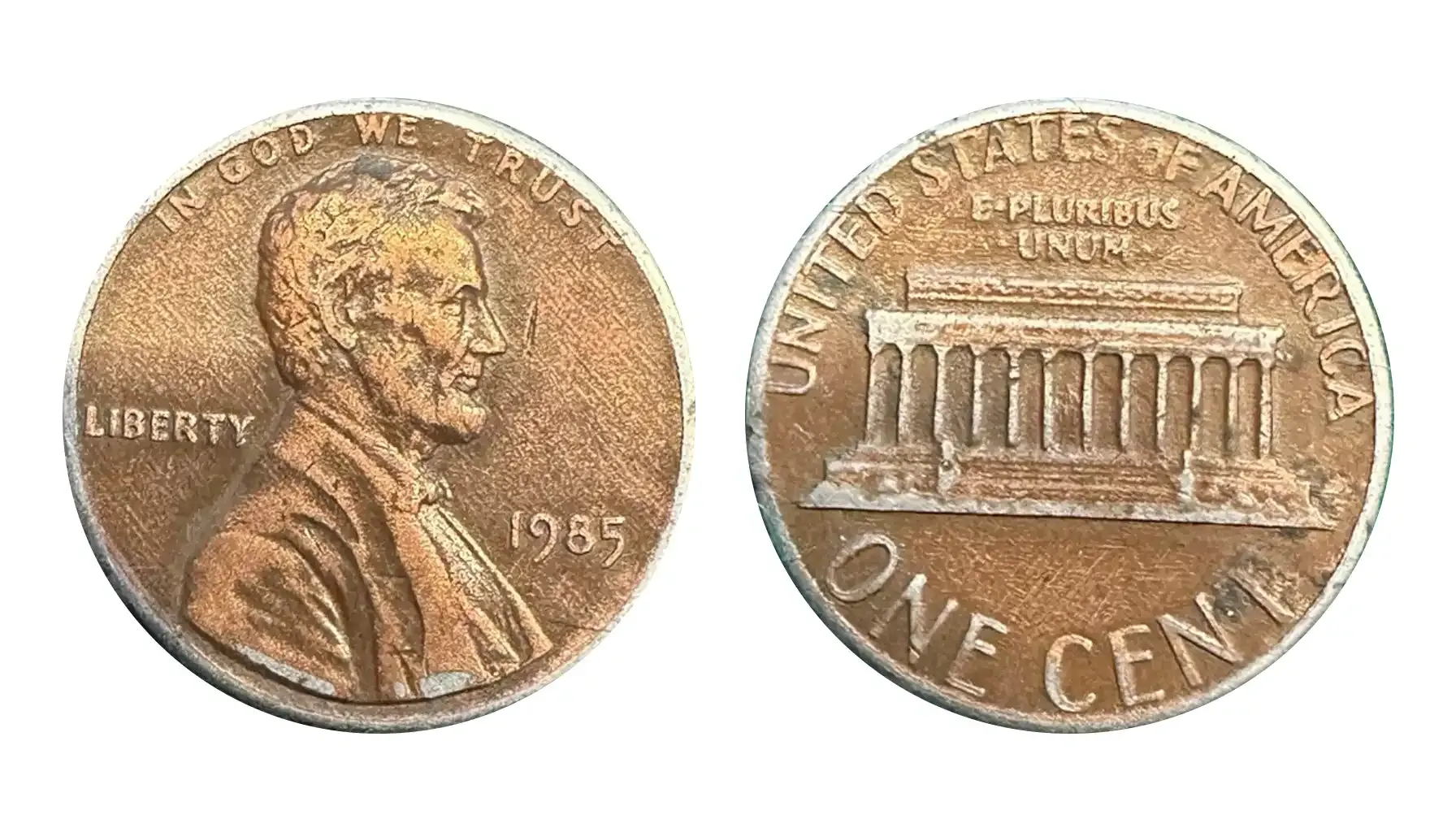
Zinc cents are prone to minting errors. It’s hard to bond it with copper, so the construction is less consistent and easier to be disfigured if something goes wrong at the Mint.
Off-center strikes, die cracks or die breaks, broadstrikes, clipped planchets, and lamination errors are some of the many errors such coins may have.
Lamination errors are especially popular. They happen when the copper layer is applied in the wrong way, and it makes the zinc parts show through the tears.
Some penny errors can sell for $20+.
3. Special issues:
Pennies from U.S. Mint Sets or Proof Sets are more valuable than most, especially if they come with a certificate and serial packaging.
A few cents had special varieties. For example, the 2009 penny. This release celebrated Lincoln's 200th anniversary and had extra designs. If this coin has a narrow or excellent condition, it is worth more than other, standard pennies, with the same error/condition.
How to Identify a Zinc Penny
One more reason why Mints are choosing zinc is that you can make coins look like other metals. With a thin copper layer, the whole piece looks like a solid copper coin. Without plating, it almost looks like a silver coin.
We need to learn how to identify zinc coins, as bad traders could push them as different, bullion coins, made from copper or silver:
1. Date check. The date is usually on the obverse. If it reads:
1982 or later, then it’s likely zinc.
1981 or earlier, then it’s likely copper.
1982: Could be both metals. You’ll need further testing.
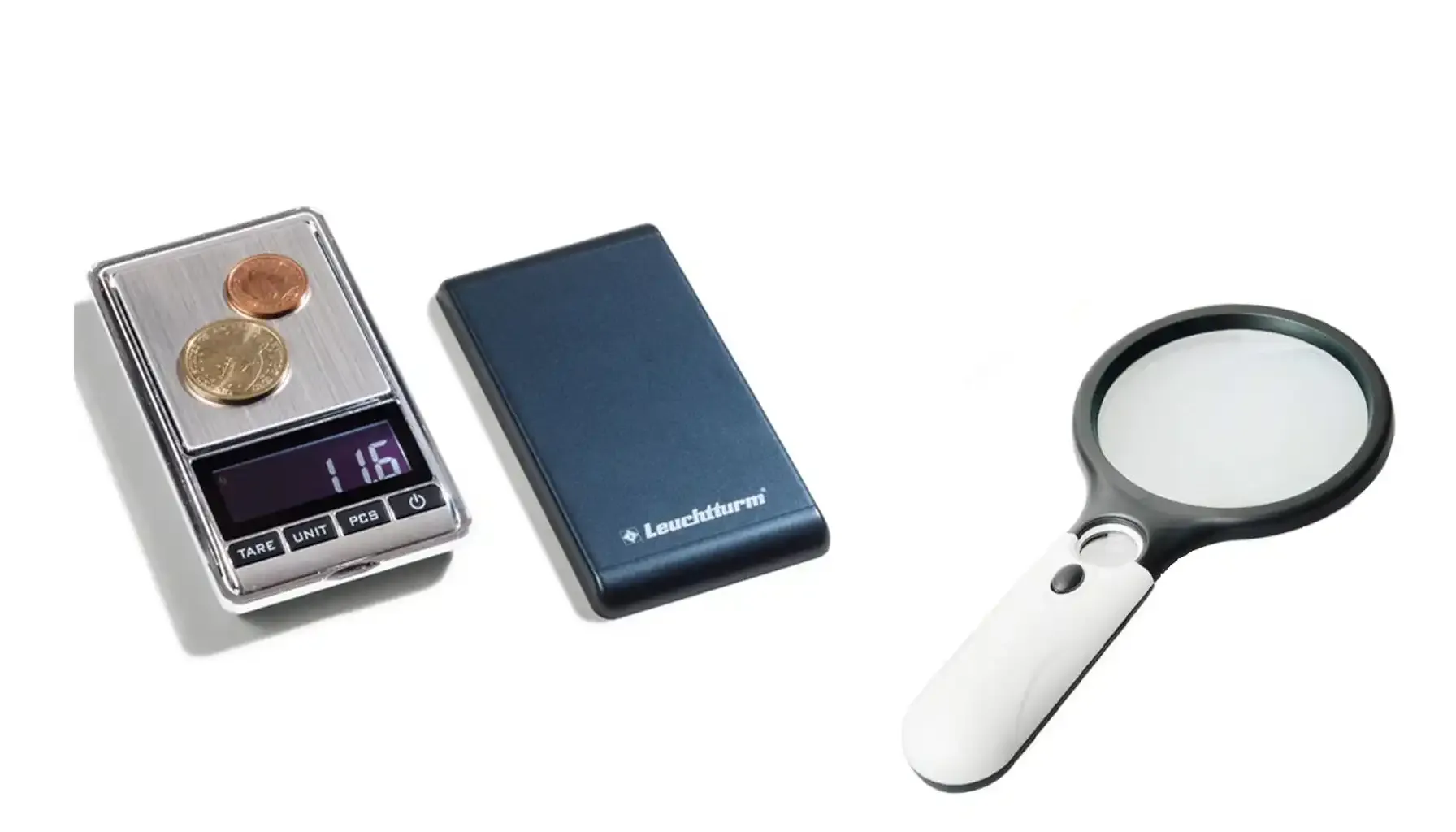
2. Weight test. Take a scale and put a coin on it:
Copper pennies are heavier, about 3.11 grams.
A zinc penny weight is lighter about ~2.5 grams.
3. Sound test. Toss a coin and listen to what sound it makes:
Copper pennies produce a ringing sound, similar to other rich metals.
Zinc cents sound duller. May describe their sound as a “thud”.
Conclusion
The U.S. The Mint made many changes to its coins. Often, these changes altered the metal the coins were made from. It seems they’ve found the best metal for mass production.
Coin ID Scanner knows a lot about coins. This app has an excellent database (150,000+ bits) on quarters, dollars, and cents made from all kinds of metals. If you have a coin, it's likely that Coin ID Scanner can analyze it and share its year, metal, and value.

 Facebook
  X (Twitter)
  Pinterest
  LinkedIn