Contents:
Have you considered what numismatic evidence reveals about the Korean Peninsula’s past? Items from this region document centuries of political transformation and reflect technological advancements.
Might these objects further illuminate cultural identity? Certainly, the designs, inscriptions, and materials all convey meaningful aspects of the society that produced them.
How to check old coin value today in real time?
Introduction to South Korean Coins
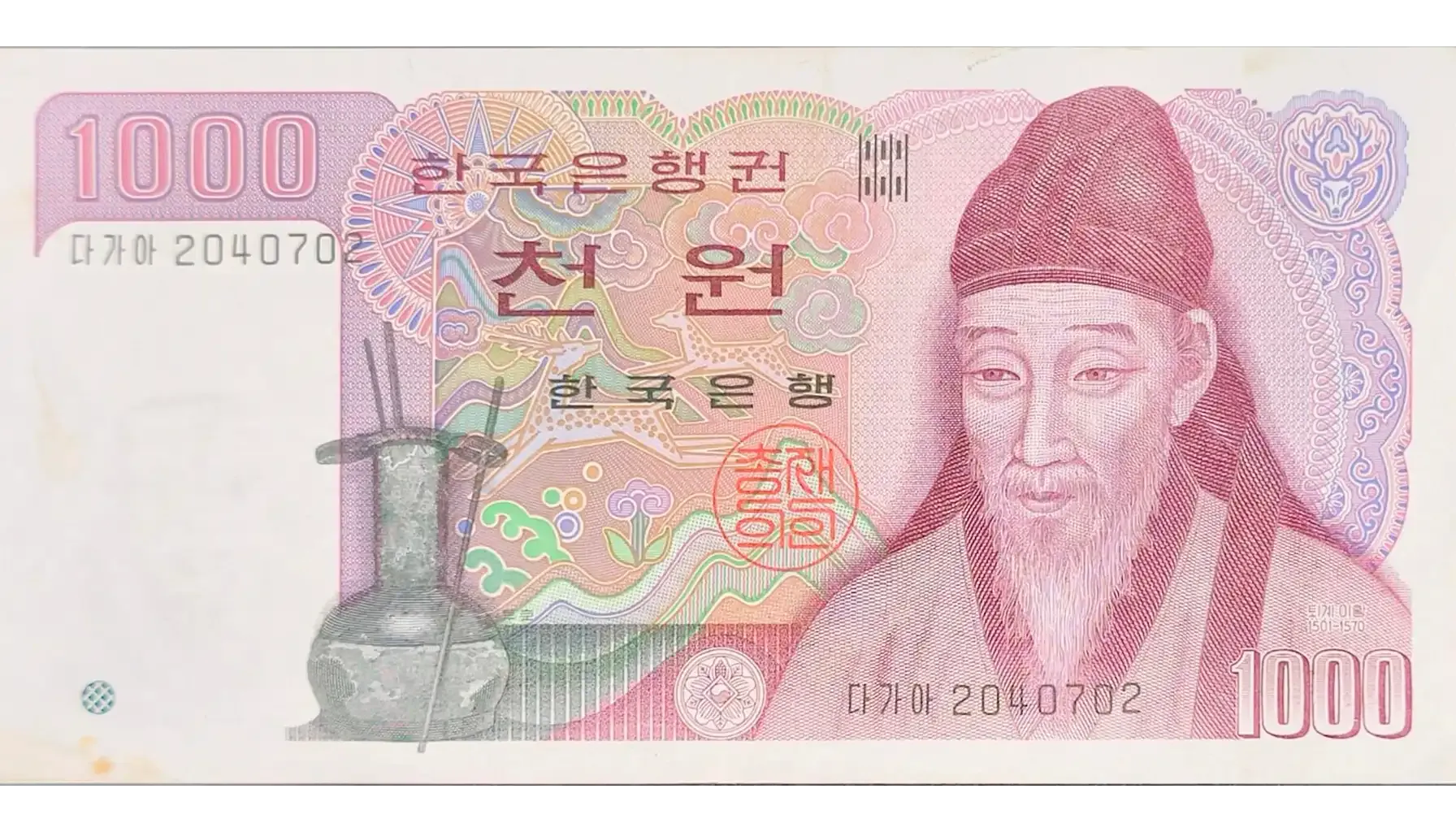
The contemporary currency of South Korea is the won. This monetary system came into use following the country’s liberation in the middle of the 20th century.
Korean currency coins that are currently in circulation are made from different materials: some are composed of aluminum, while others use copper‑nickel alloys.
ISO | 4217 |
Unit | Won |
Symbol | ₩ |
Banknotes | 1,000, 5,000, 10,000, 50,000 |
Items | 10, 50, 100, 500 |
Value | $1 = ₩1441,67 |
The South Korean won banknotes and coins design shows different varieties of historical and cultural symbols: transitional and national.
History of Korean Coins and Currency
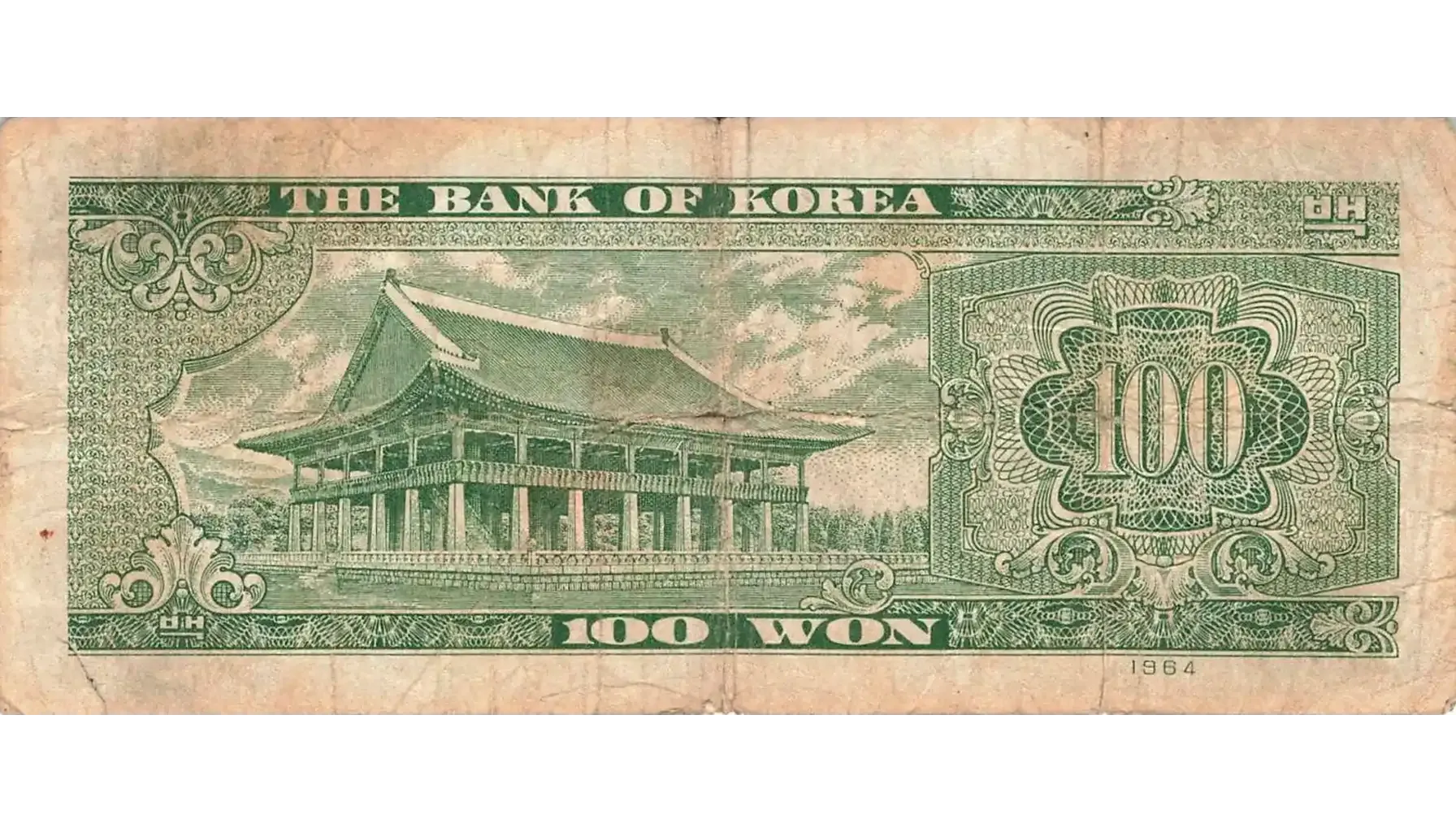
The history of coinage extends beyond one thousand years. In early periods, the monetary systems used cast bronze old Korean coins. These items had square holes in their centers.
The design of these items linked Korea to wider trade networks across East Asia. Today, scholars and researchers can examine these artifacts. They are classified as ancient Korean coins within academic collections.
After the early periods, dynasties started using better ways to make currency. They improved the casting process and began to write words on the items using classical Chinese writing.
Historical Periods
Ancient Times: Commodity and Early Metals
Before formal coinage, the country used commodity money like grain (rice) and cloth (linen and silk).
Knife Money (Myeongdojun) – around the 3rd century BC, bronze knife-shaped items from the Chinese state of Yan circulated in Northern Korea (Gojoseon).
Goryeo Dynasty (918–1392): The first native metallic items were minted in 996 AD (iron and bronze). Unbyŏng (Silver Vases) – unique to this era, silver was cast into the shape of the peninsula (vases). These were high-value "currency" used primarily by the aristocracy.
The Joseon Dynasty: The Mun Era
The Joseon period (1392–1910) saw the most iconic traditional coinage.
Sangpyeong Tongbo, first minted in 1633, these round bronze items with a square hole became the standard currency for over 250 years. They are the items you most often see in historical dramas (sageuks).
Jeohwa (Paper Money): Joseon attempted to use mulberry-bark paper money as early as 1401, but it failed to gain public trust compared to copper items.
Transition and Occupation (1892–1945)
Yang (1892): The first decimal currency, 1 Yang is equal to 100 Fun
Won (1902): Introduced during the Korean Empire, replacing the Yang.
Korean Yen (1910–1945): During the Japanese occupation, the won was replaced by the Yen, which was pegged at par with the Japanese Yen.
Modern Currency
South Korea used two main types of money: the won and the hwan. After World War II, the Korean Peninsula was split into two parts.
During this time, the country made many changes to its money system. These changes helped the country deal with rising prices.
Item | Period | Details |
Old | 1945–1953 | Symbol of independence |
Hwan | 1953–1962 | 1 Hwan = 100 Old Won |
Modern Won | 1962–present | 1 Won = 10 Hwan |
The old won was introduced after independence and suffered massive inflation during the Korean War.
The Hwan was a revaluation to stabilize the economy, while the modern won is the currency people use today.
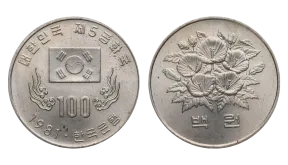
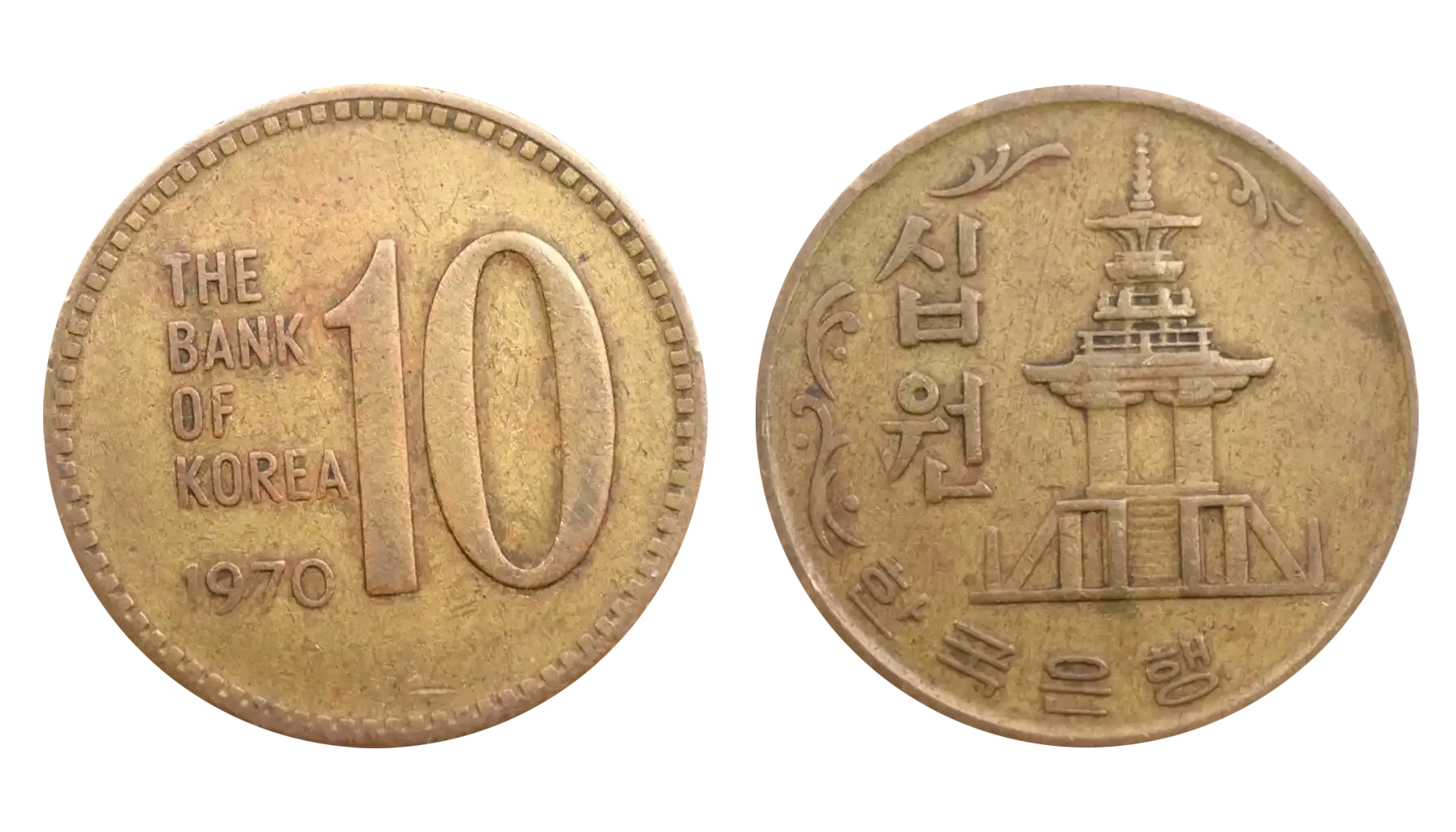
Note: In 1970, the 100 won was a symbol of a new stage of economic development.
Types of South Korean Coins – Old, Silver, and Gold
The field of South Korean numismatics encompasses three main categories of coinage. These include South Korean won banknotes coins for:
General circulation
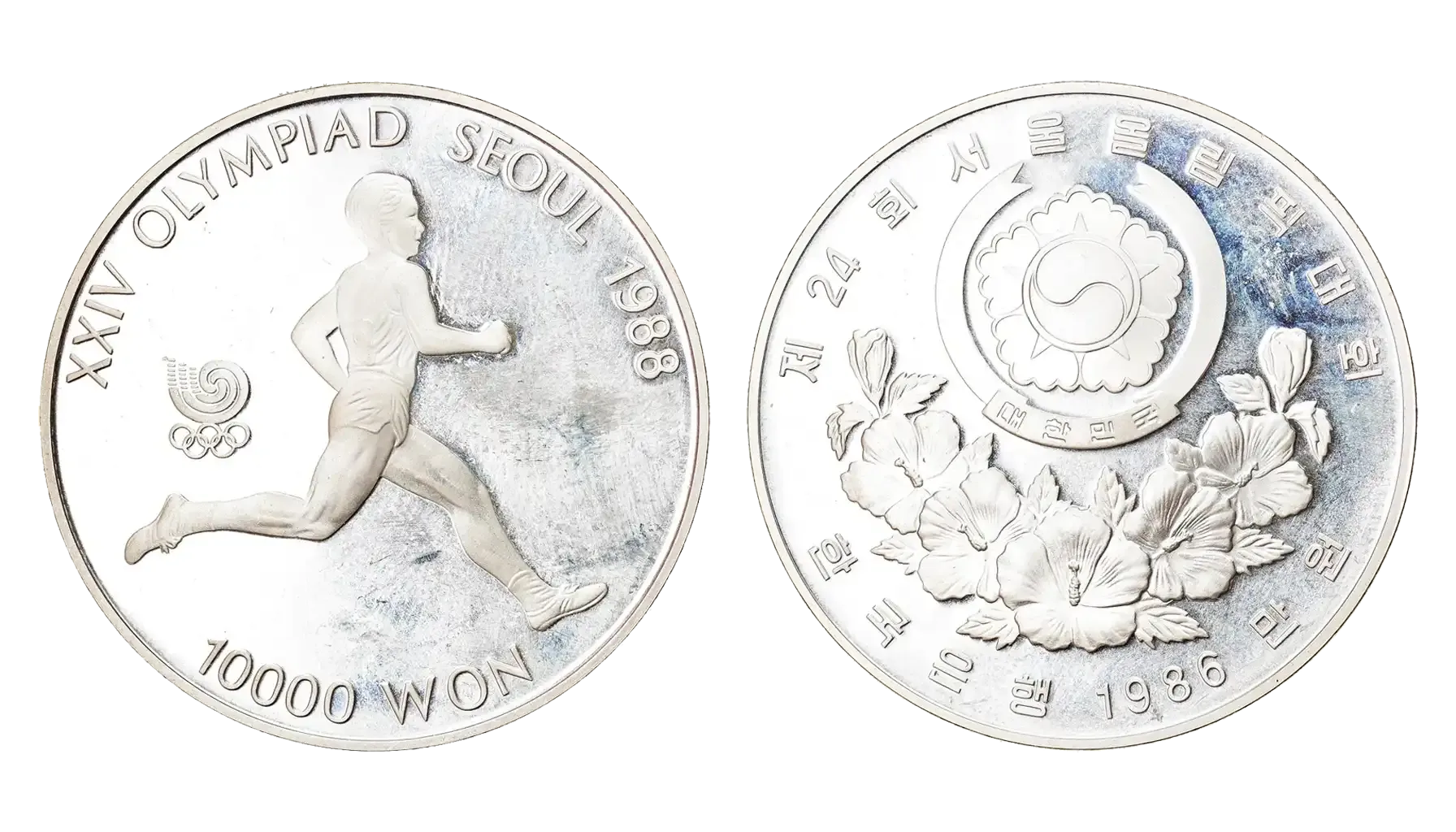
Commemorative issues
Bullion‑related releases
The circulating series that were introduced after 1966 are manufactured from aluminum, brass, and copper‑nickel alloys. Gems from earlier periods and special edition releases sometimes contain precious metals.
Collectors assess silver items based on three key factors:
Purity of the silver
Condition of preservation
Total number of production (mintage size)
Commemoratives that the government issues frequently belong to the category of South Korean silver coins. These items typically sell for prices that exceed their melt value.
You will not see gold items as often as other types. But when they are released, investors who want to spread their risk across different assets take notice. Today’s South Korean gold coins have two important qualities – bullion and extra value.
How to Identify and Authenticate Korean Coins
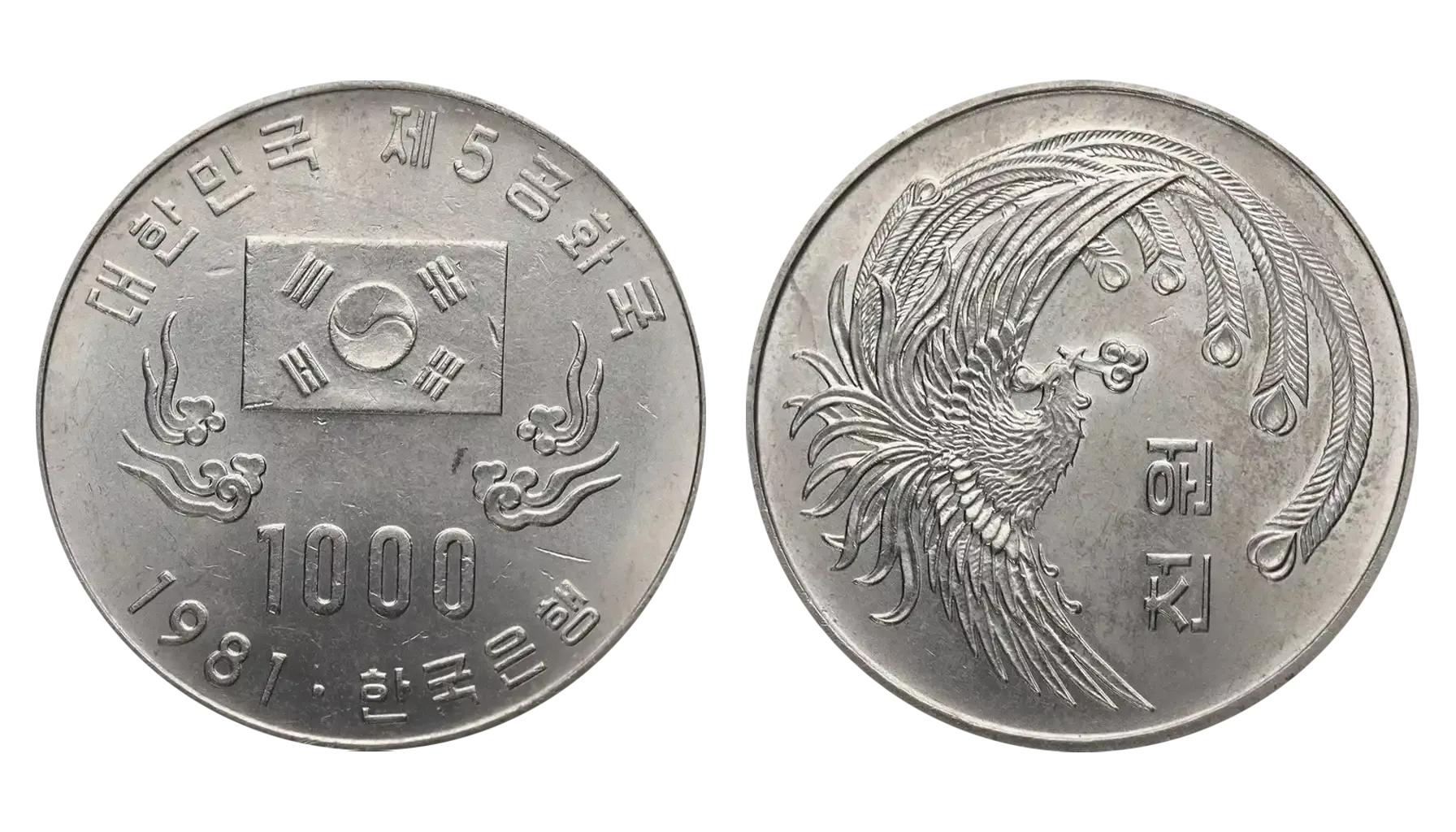
Real government items always follow the same rules for these measurements. Next, numismatists check more details:
The way the letters look
How clear and accurate the pictures are
What the surface feels and looks like
Where can you find information about real and fake gems? Some special books and catalogs show all the different real types and the known fake versions.
Current Market Value of Rare and Collectible Korean Coins
Auction results serve as the primary reference for valuing rare Korean coins. International sales typically feature these items more often than domestic markets do.
Price guides that track Korean coins value demonstrate high collector interest. This interest focuses on early machine‑struck items and silver commemoratives that remain in pristine condition.
Buyers rely on visual references – such as South Korean won coins images – to evaluate strike quality and detect possible alterations.
Item Rare Examples
“Also, as with the other two 1909 gold issues, only two pieces known, and the other permanently housed in a Japanese museum.”
– Unnamed opinion piece "Yung Hi gold 20 Won Year 3 (1909)"
Heritage Auctions
1909 Yunh Hi 20 Won (gold) – $632,500
1909 Yunh Hi 5 Won (gold) – $460,000
1909 Yunh Hi 10 Won (gold) – $299,000
1902 Kuang Mu 1 Chon (copper) – $149,500
1909 Yunh Hi 5 Chon (copper-nickel) – $2,500–$5,000
1903 Kuang Mu 10 Won (copper) – $1,500–$3,000
Note: These are the best gold coins to buy, which can be compared with the top 100 items in the world.
Tips for Collectors and Investing in South Korean Coins
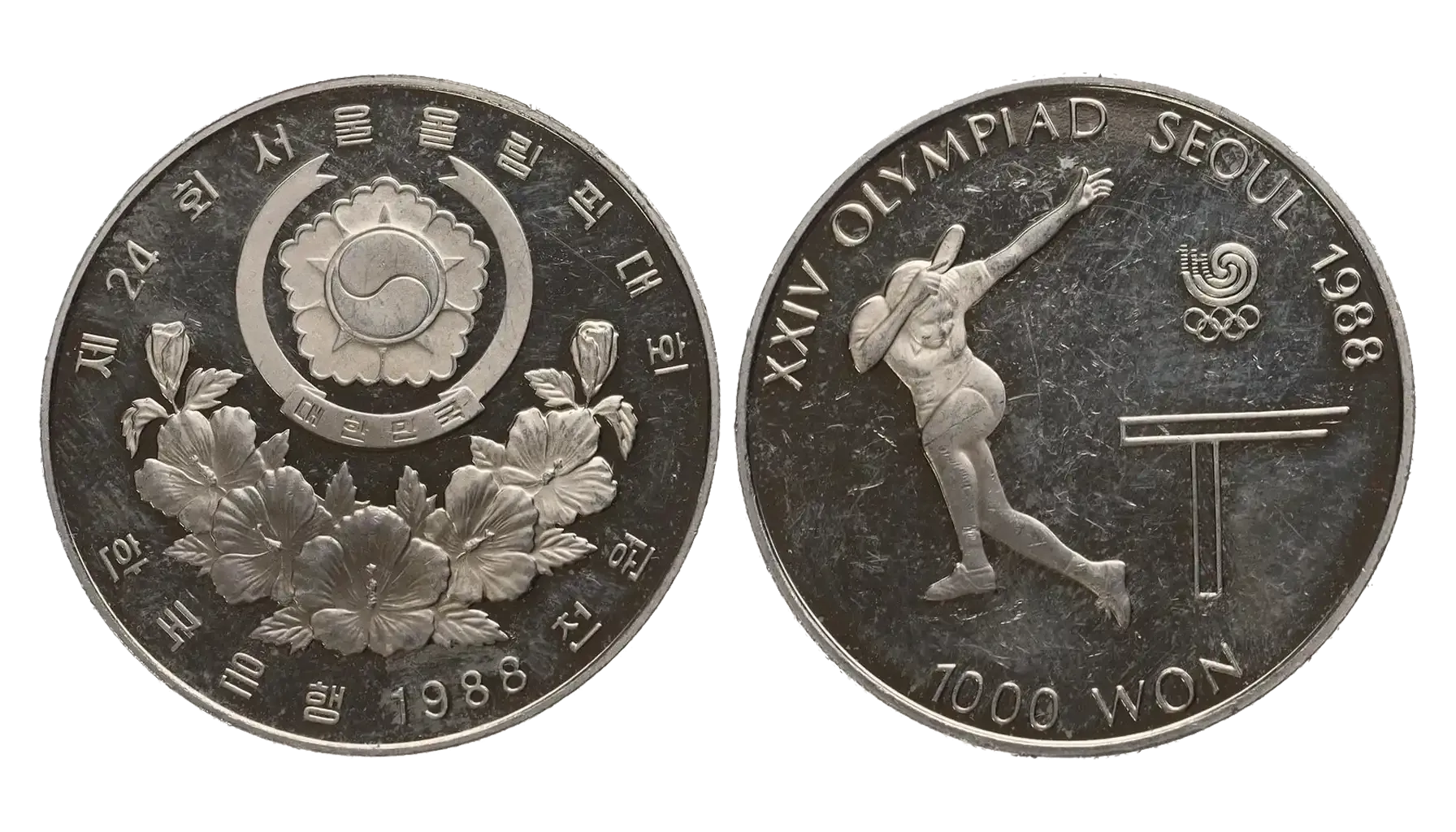
Investing in numismatics demands a keen eye for condition rarity and knowledge of the country’s economic history. The market, once domestic, has turned into a global hotspot over the past twenty years.
Authenticity is essential, so experts only buy currency from graders like PCGS or NGC to avoid counterfeits and protect value.
Summary For Collectors
You should do several steps before purchasing:
Check principal item characteristics
Check certifications
Choose only official online platforms

 Facebook
  X (Twitter)
  Pinterest
  LinkedIn