Contents:
Minting errors are quite common events, and sometimes they bring significant value. This also applies to the value of misprinted coins. Many numismatists build their collections with exactly these kinds of specimens. They use a Rare Coin Identifier to find them, but in reality, it's much simpler.
What Are Misprinted Coins
So, what are they? These are coins that, for various reasons during production at the mint, deviate from the standard design, size, shape, or weight.
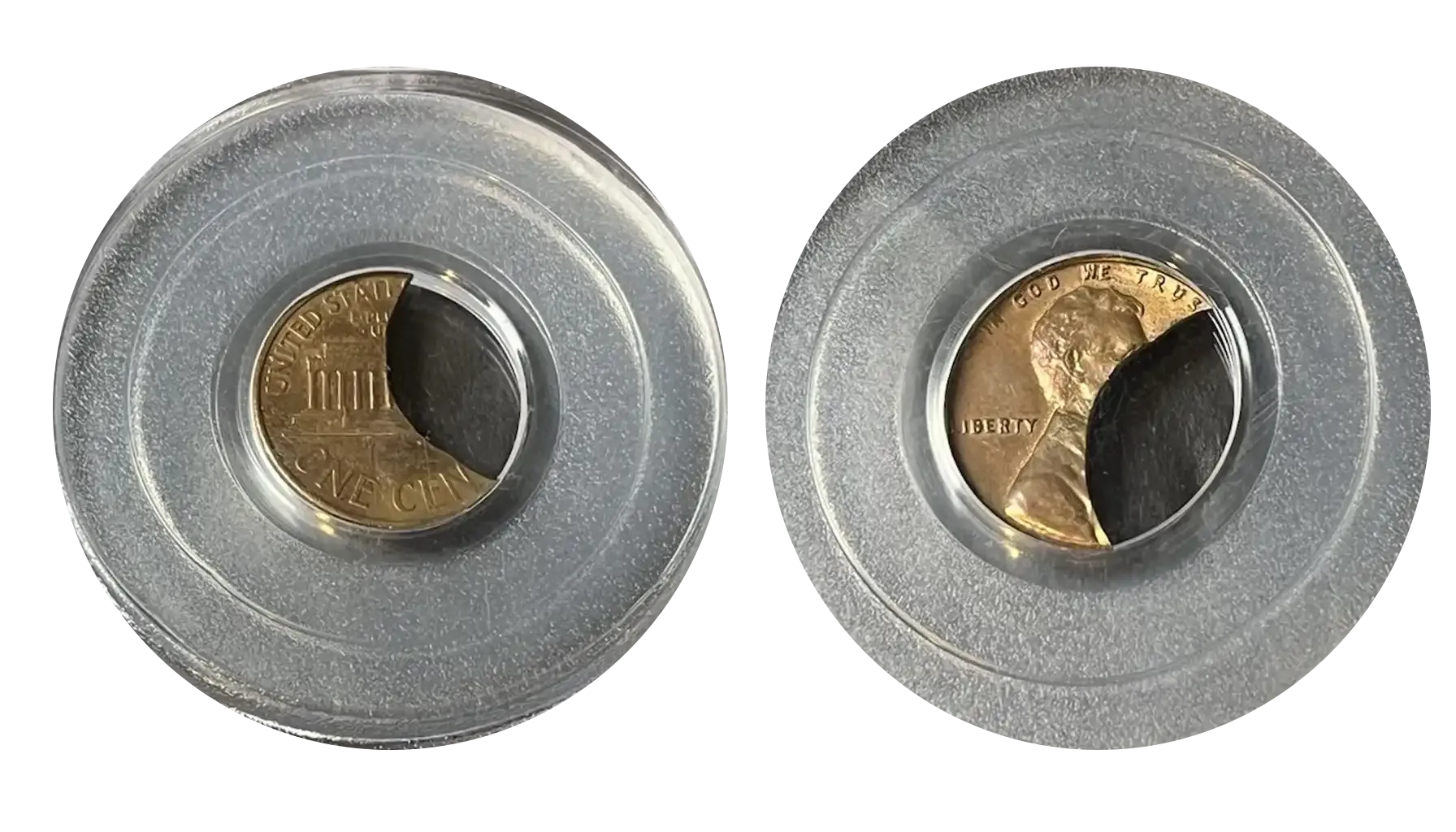
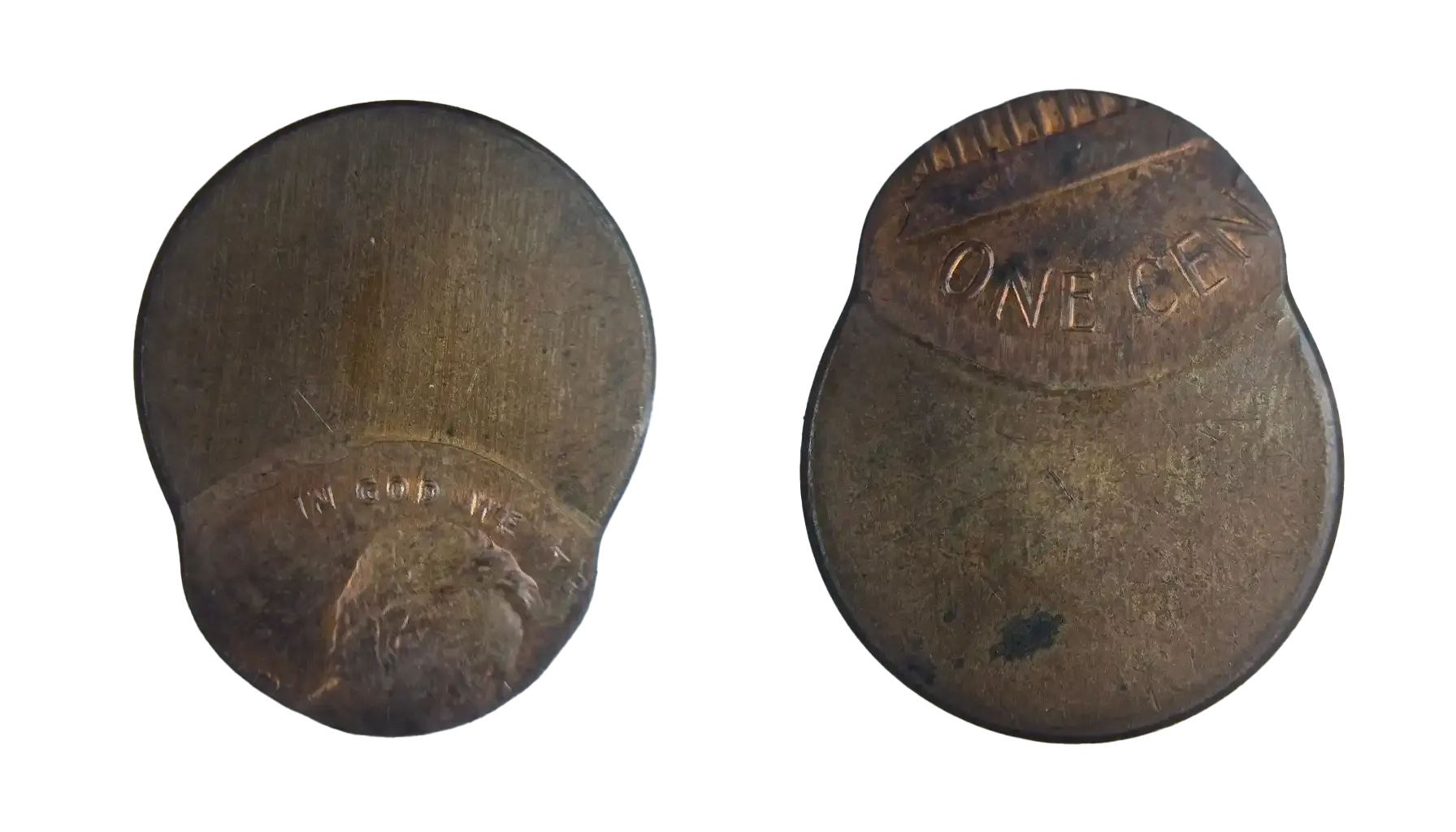
Such errors can occur at any stage of minting, from the preparation of the blank to the actual striking. And it is at the preparation stage that a Clipped Planchet error can occur.
Stages of Minting
A metal sheet is rolled under a special device to the required thickness, and then round blanks are cut from it.
The blanks may undergo annealing, washing, or upsetting.
The blank is placed between two dies and struck with great force, imprinting the image. Double-die errors very often occur at these moments.
And if something goes wrong at any of these stages, the result is a misprinted coin.
Common Types of Coin Errors
First and foremost, it's important to understand that a die is a special tool that imprints the design onto a coin. This tool undergoes immense pressure and wear, which is why errors related to it are quite common.
Double Die
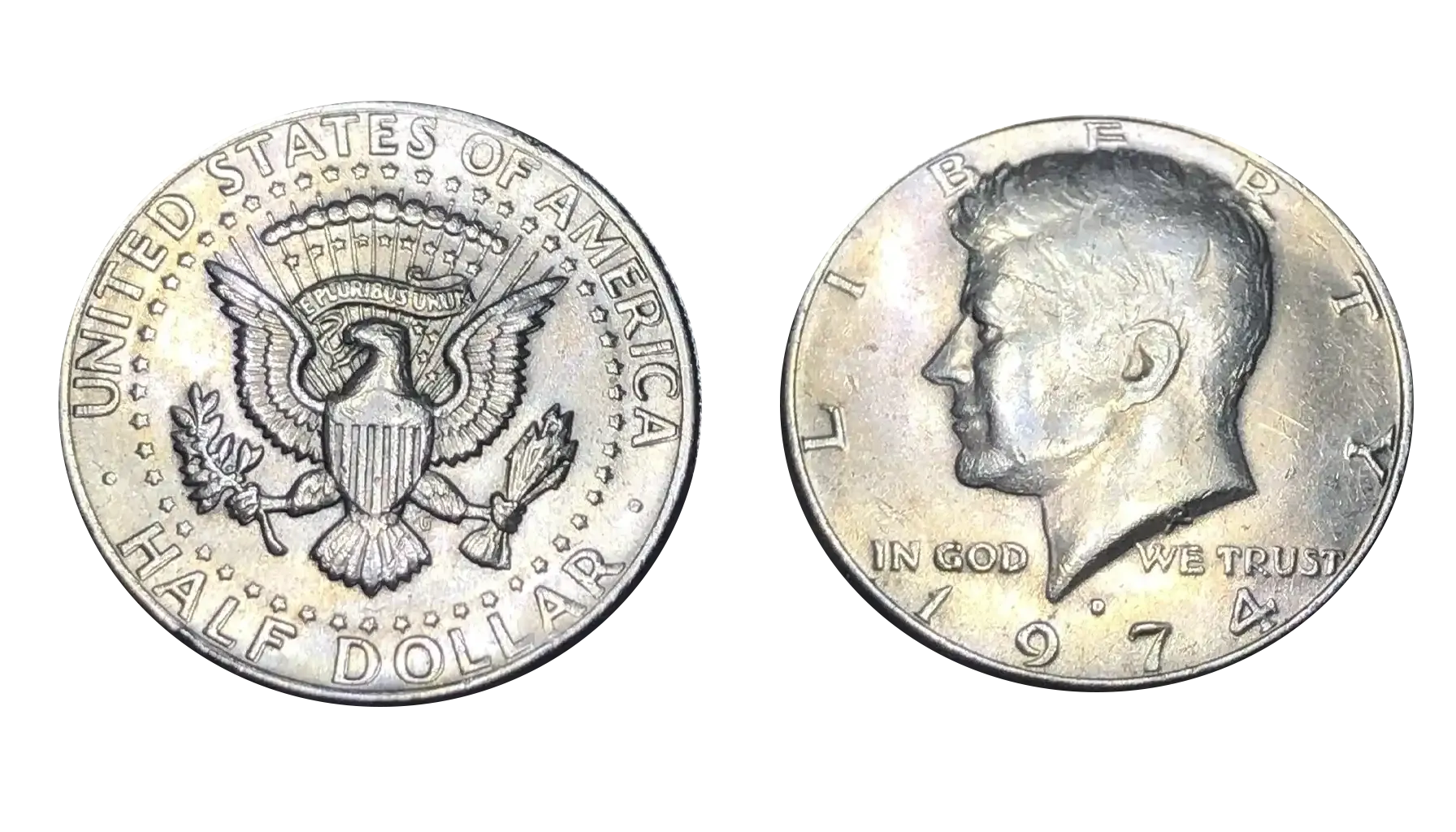
A double die is one of the most well-known and popular errors, occurring when the die strikes the blank twice. Despite being one of the most popular types of errors, it is also one of the most valuable, like the 1939 Washington Quarter DDO.
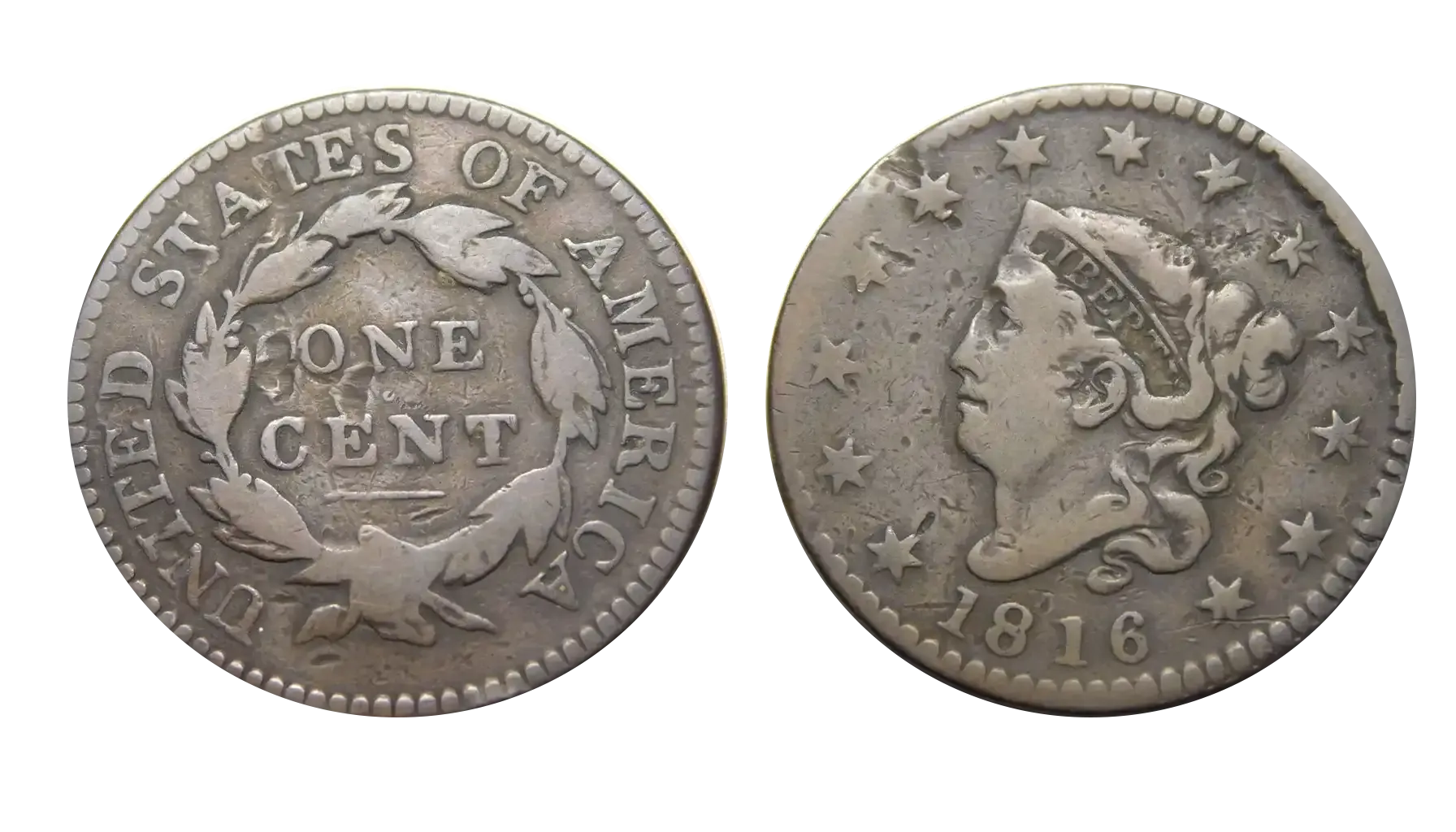
Rotated Die
A rotated die occurs when the obverse and reverse are not perfectly aligned relative to each other. If you hold the coin by its top and bottom edges, then when flipping the coin, it can be upside down.
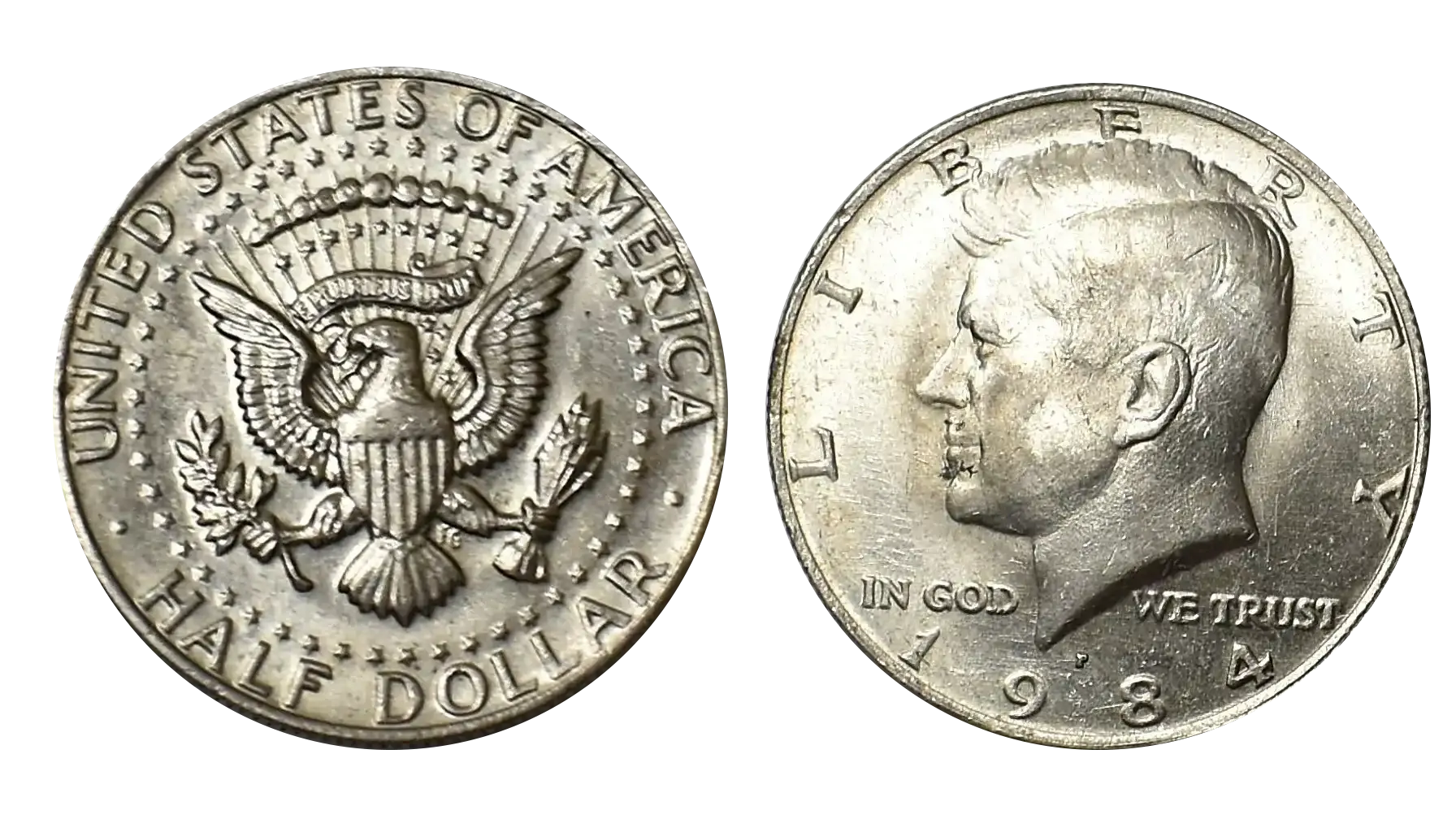
Die Cracks and Breaks
Over time, die wear, which happens quite rapidly, leads to cracks appearing. These leaves raised lines or bumps on the blank. Larger breaks can lead to the formation of significant metal growths called die chips or die breaks.
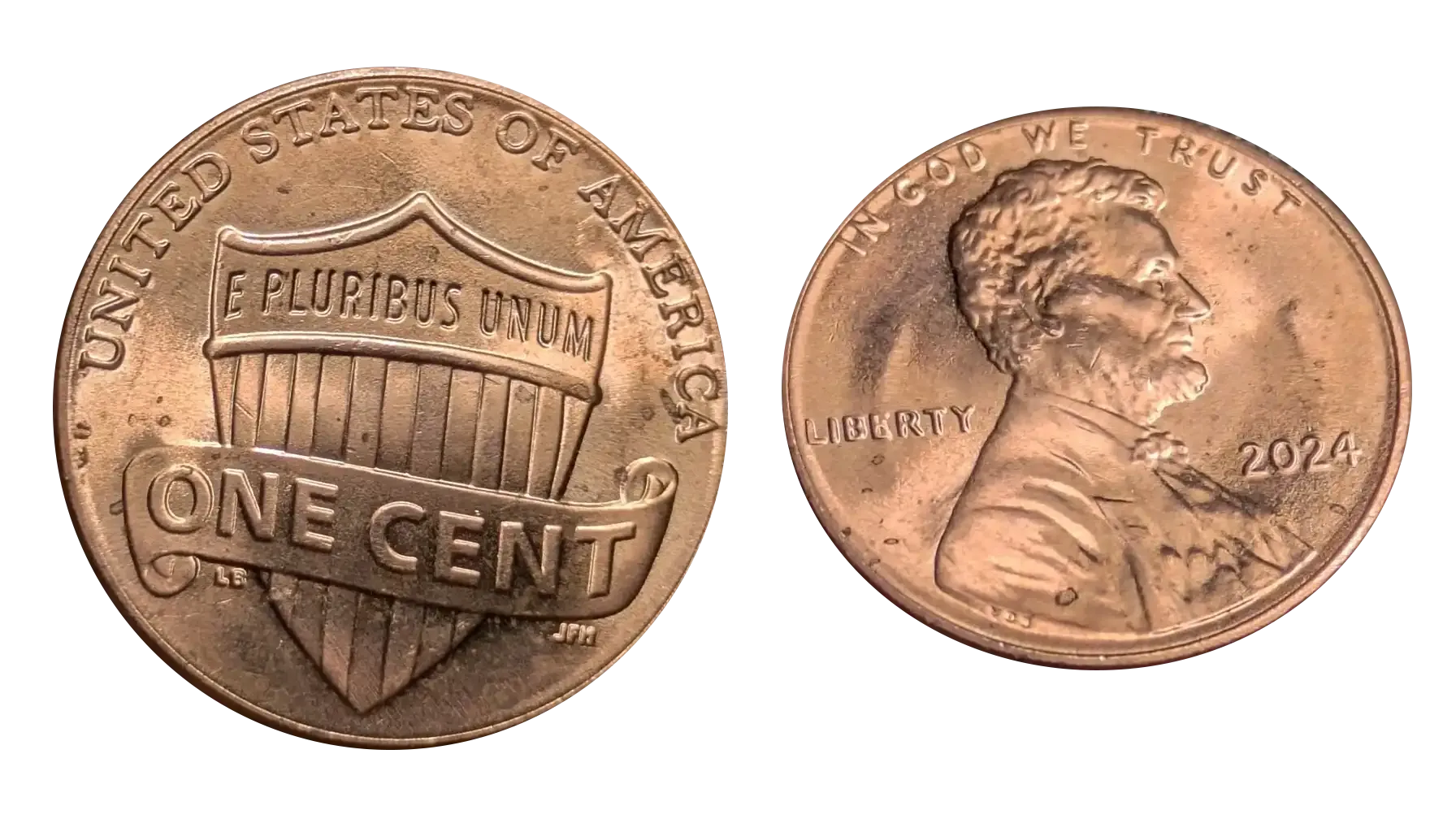
Struck-Through Grease and Filled Die
If dirt, grease, or any other debris gets into the recesses, the corresponding part of the design will be missing or very weakly struck.
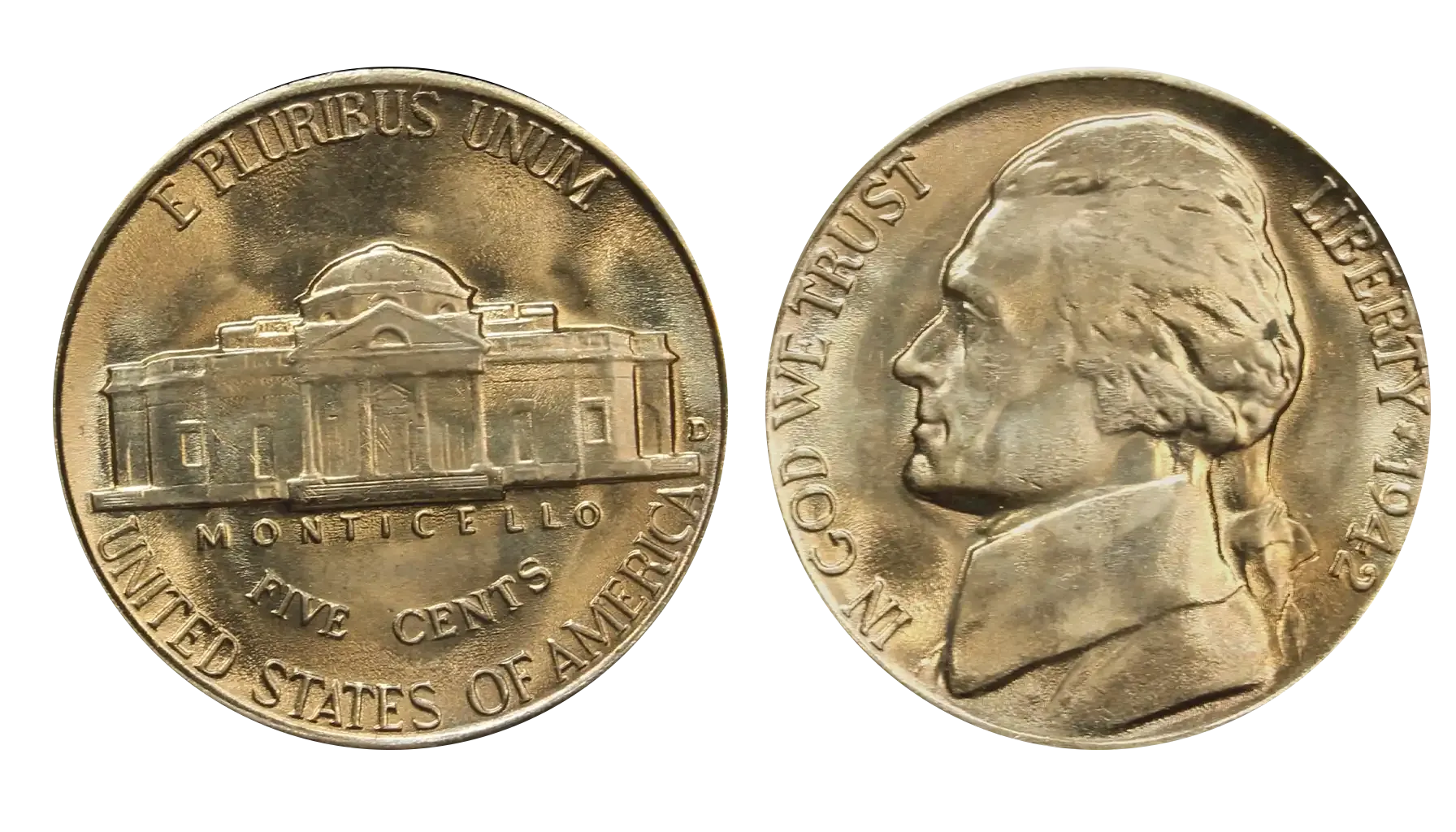
Overdate and Repunched Mintmark
This is more characteristic of past years when dies were used for longer. An old date could be overstruck with a new one. For example, the Jefferson nickel 1942/1.
Are Misprinted Coins Worth Anything
For people just starting their journey into numismatics, it may seem strange that misprinted coins worth money. In reality, of course, they are very valuable, sometimes even too much so.
This is precisely because such coins are much rarer than regular ones, and each error will be unique. While regular strikes are all approximately the same, errors are rare and unlike each other.
The specific value can differ based on the type and severity of the error. And this too will be unique, so of course, yes.
How Much Are Misprinted Coins Worth
If you are holding a misprinted Draenic coin or any other error example, you need to consider several factors to determine its value.
First and foremost is rarity. If the error you have exists in only a few pieces, then, believe me, the price will be very high. Very few error coins are issued in large quantities, and that is precisely the secret of their value.
An error can also be linked to historical context. For example, when the production of silver specimens was prohibited in favor of manufacturing ammunition for the war in the USA, errors in blanks were very common. They were made on blanks from previous years. And such an error will be more valuable because the historical context is also attached to it.
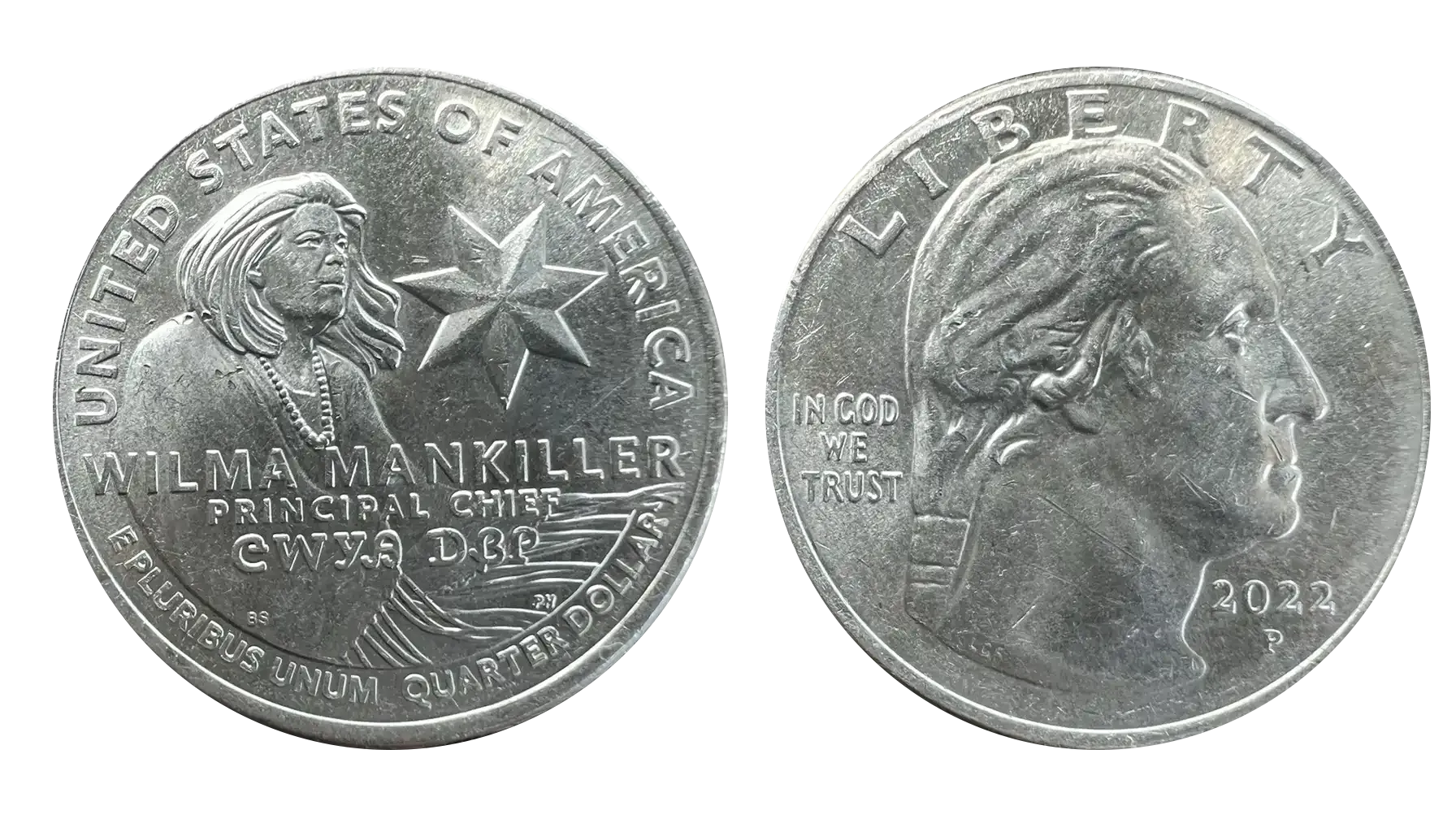
Misprinted Nickel Coin Value
Here, in general, it's all the same: the same factors, grades that are evaluated on the Sheldon scale from 1 to 70, and rare errors. But here, the metal itself is also added: nickel. You also need to consider its spot price.
This metal will be cheaper than gold or silver, but if there is a completely rare error, it can be worth even more.
How to Identify Valuable Error Coins
First and foremost, you need to acquire the necessary equipment or consult a professional numismatist.
Tools
If you want to do this yourself, buy a magnifying glass with tenfold magnification.
Also, set up a good light source. It should be bright, focused light.
Additionally, be sure to purchase cotton or nitrile gloves.
The last point is very important, because if you leave a fingerprint on the specimen, its value will immediately decrease, as skin oils are quite difficult to remove from metal.
Information
You also need to study specialized literature, or you can use various online resources. If you turn to a professional numismatist, it is best to find one on trusted websites or at auction houses. This way, you can avoid scammers and correctly evaluate your specimen.

 Facebook
  X (Twitter)
  Pinterest
  LinkedIn