Contents:
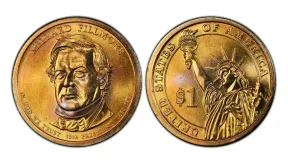
The Millard Fillmore 1 dollar coin is a U.S. numismatic piece issued by the United States Mint. It belongs to the Presidential $1 Program and honors the 13th President of the United States.
But how much is the Millard Fillmore dollar coin worth? Let’s find out together.
Overview of the Millard Fillmore Presidential $1 Coin
Millard Fillmore became the 13th U.S. President in 1850 after Zachary Taylor died in office. He led the country at a moment when disputes over slavery were pushing the nation toward conflict.
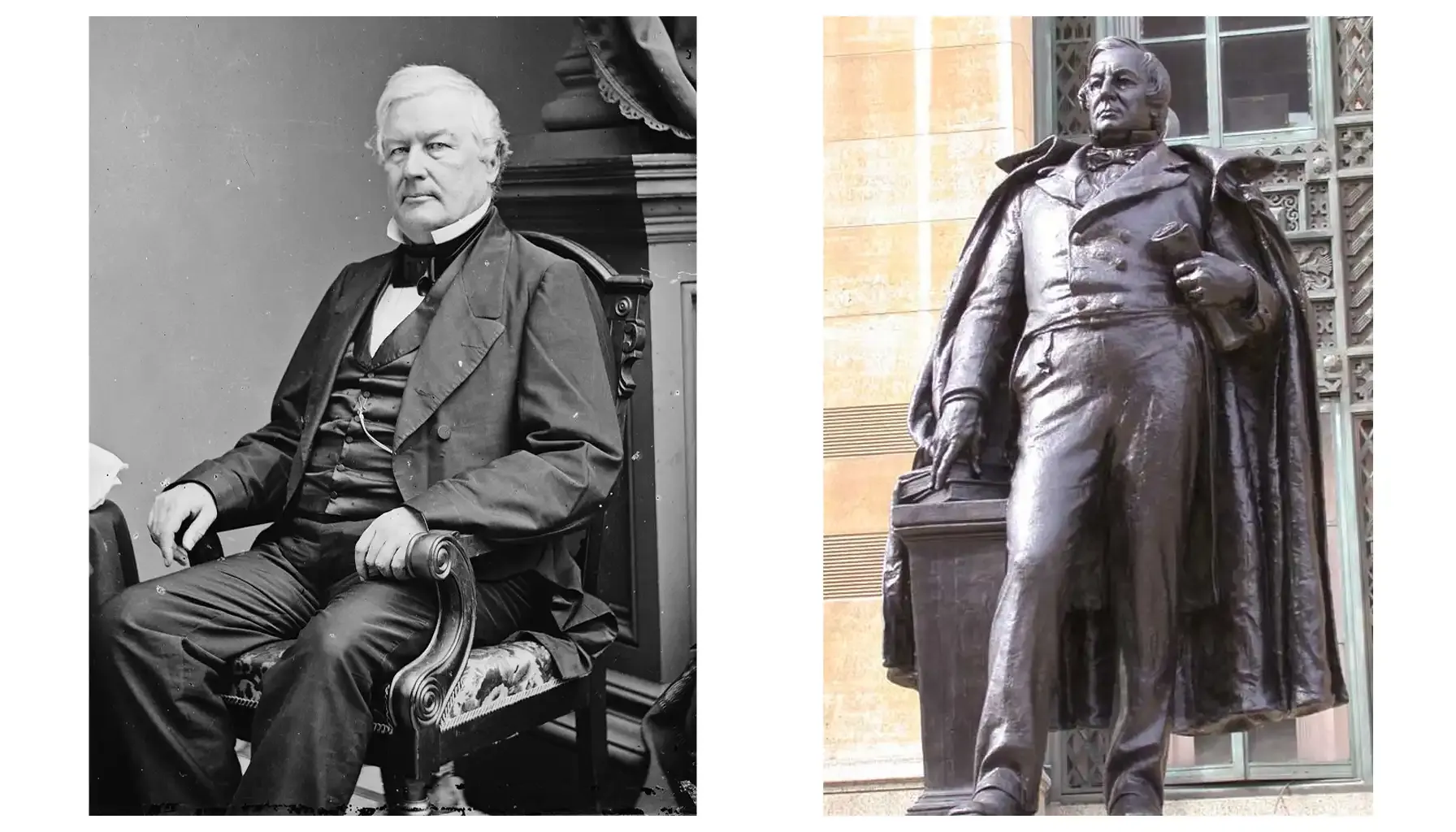
His term is tied to the Compromise of 1850, a group of laws meant to calm tensions between free and slave states. The agreement kept the Union steady for a short time. It also introduced the Fugitive Slave Act, a decision that later damaged his standing.
Fillmore left the presidency in 1853 and made one more attempt at national office in 1856 with the Know-Nothing Party.
Name | Millard Fillmore Presidential $1 Coin |
Year of Issue | 2010 |
Program | Presidential $1 Coin Program |
Obverse | Portrait of Millard Fillmore |
Reverse | Statue of Liberty design |
Composition | 88.5% copper, 6% zinc, 3.5% manganese, 2% nickel |
Weight | 8.1 g |
Diameter | 26.5 mm |
Thickness | 2.0 mm |
Edge | Lettered (date, mint mark, motto) |
Mints | Philadelphia, Denver, San Francisco (proof) |
Related Presidential $1 Guides |
The front side shows Fillmore’s portrait with his years in office. The back carries the standard Statue of Liberty design used for the entire series.
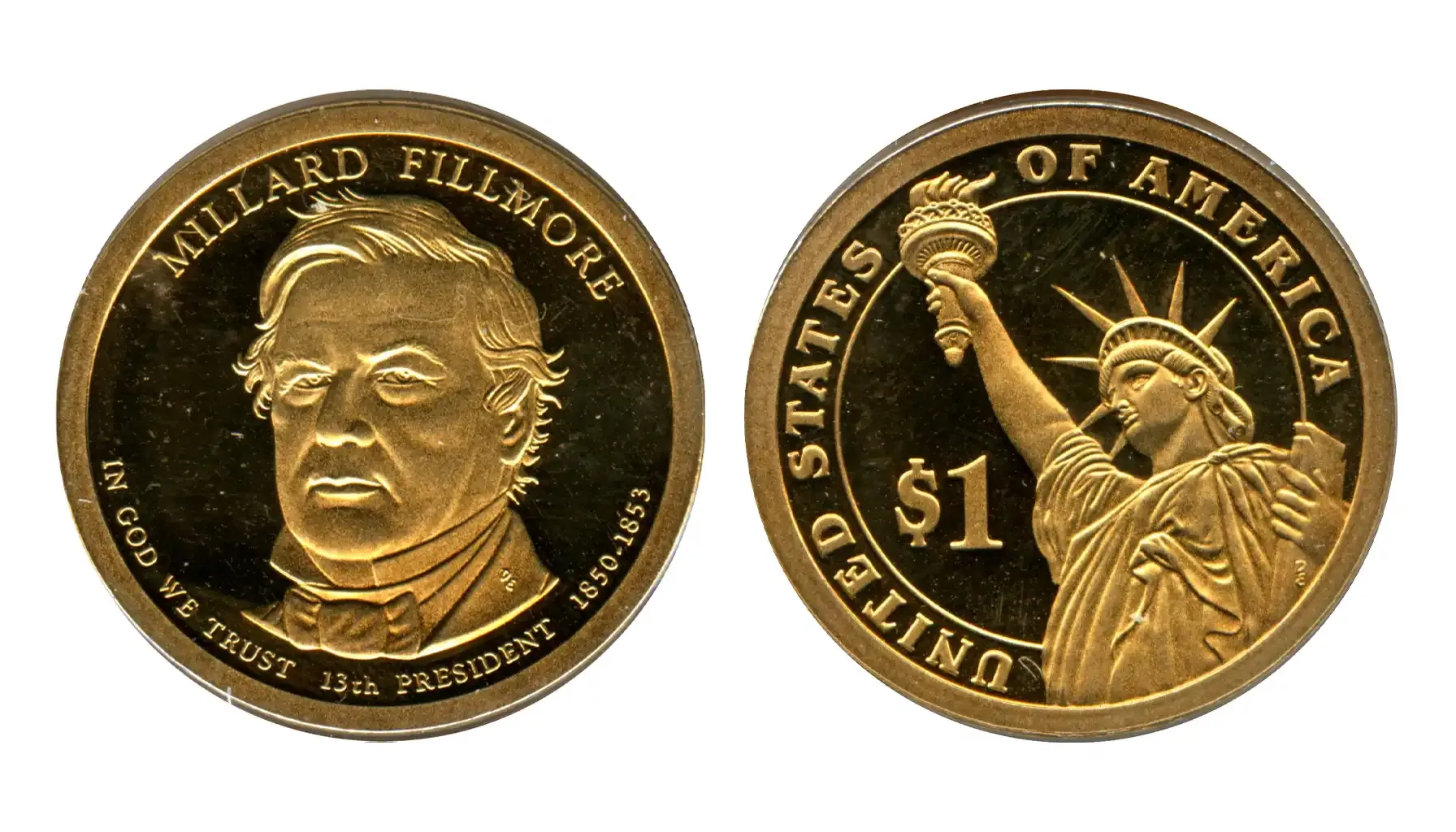
All pieces have edge lettering with the date, mint mark, and motto. They were struck for circulation at Philadelphia and Denver. Proof versions were produced in San Francisco.
The coin has a face value of one dollar and is mainly collected as part of the full presidential set.
Market Values for Millard Fillmore Dollar Coins (Circulated and Uncirculated)
Category | Type | Value (USD) |
Circulated | Heavily circulated | $1.00 |
Lightly circulated | $1.25–$2.00 | |
Choice circulated | $2.00–$3.00 | |
Uncirculated (Raw) | Standard BU | $2.50–$4.00 |
Choice BU | $4.00–$6.00 | |
Gem BU (uncertified) | $6.00–$10.00 | |
Certified Uncirculated | MS-63 | $6.00–$10.00 |
MS-64 | $10.00–$16.00 | |
MS-65 | $16.00–$30.00 | |
MS-66 | $30.00–$60.00 | |
MS-67 | $60+ | |
Proof (San Francisco) | Proof | $7.00–$12.00 |
Deep Cameo / PR-69 | $12.00–$20.00 | |
PR-70 | $25.00–$50.00 |
Disclaimer: These figures reflect typical recent sales, but prices shift with collector demand, grading trends, and where the coin is sold.
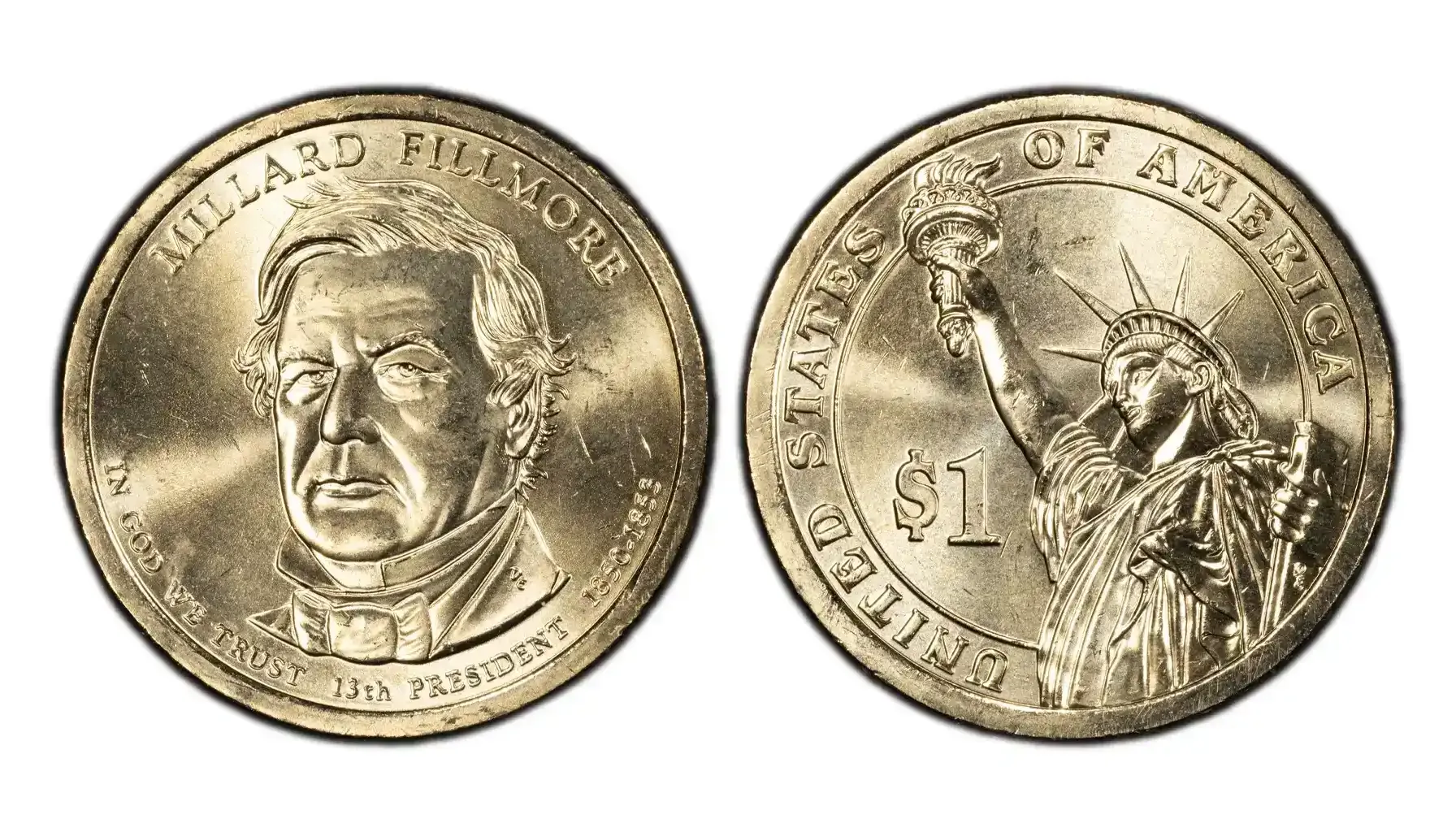
Circulated Fillmore dollars stay close to face value because the Mint produced them in large numbers, and many remain easy to find. Coins with lighter wear bring a small premium, but the difference is limited since the supply is still high.
Uncirculated pieces show wider Millard Fillmore dollar coin value 1850 to 1853 swings. Basic BU ones are common, yet nicer examples with fewer nicks and brighter luster cost more. Gem BU coins sit at the upper end because rolls usually contain only a small share of pieces with that level of surface quality.
Certified specimens follow a straightforward pattern. Lower mint-state grades appear often, so they sell for modest amounts. Grades like MS-65 and MS-66 become less frequent and climb in price, while MS-67 represents the top tier and brings the strongest premium because of the scarcity.
Proofs from San Francisco trade above face Millard Fillmore $1 coin value because they were made for collectors. Most PR-69 pieces sell for modest prices, and PR-70 examples go higher simply because they represent a flawless strike in the eyes of grading services.
Design Millard Fillmore Coin Varieties and Pricing
Position A and Position B
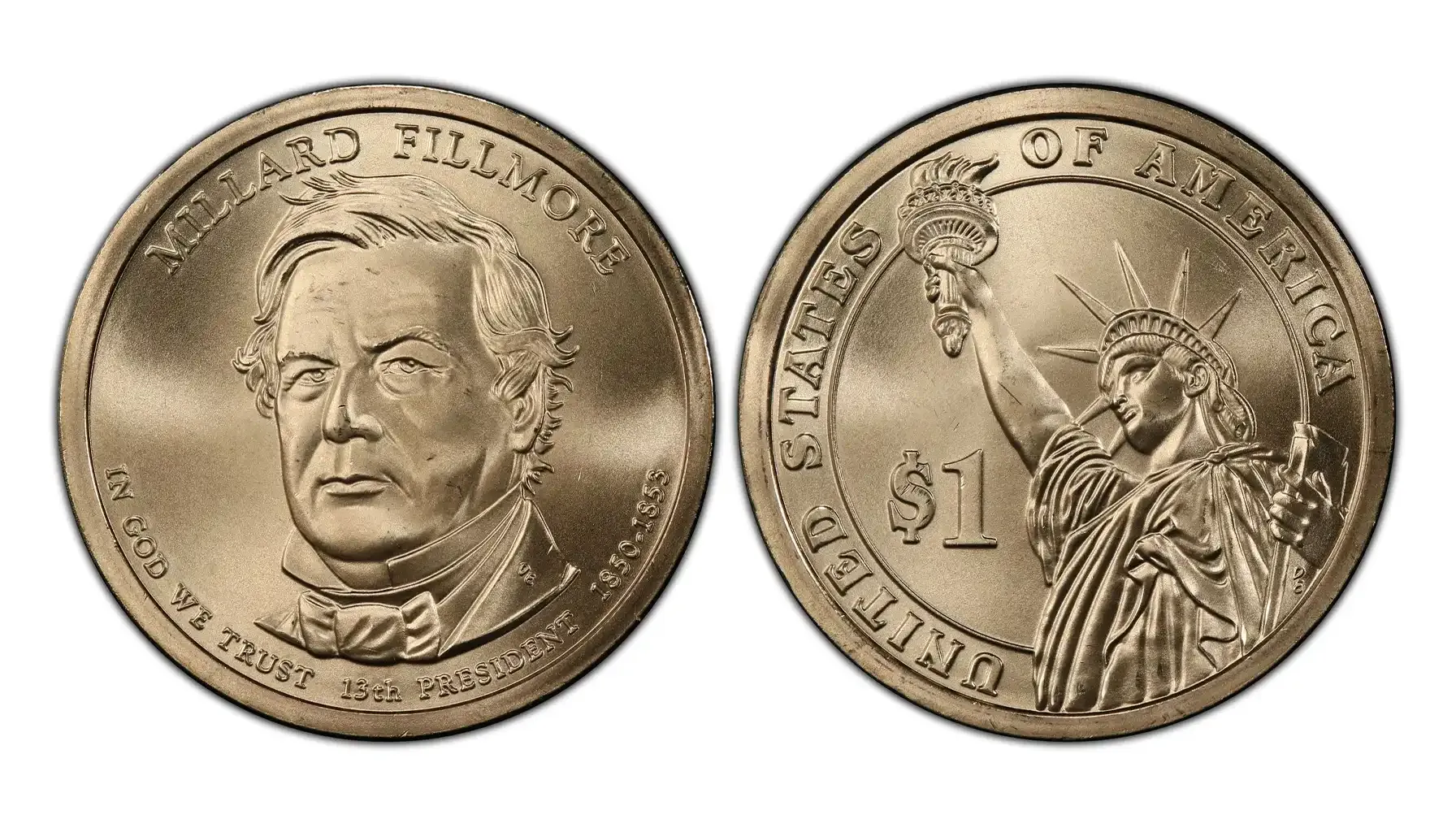
These are the two normal edge-lettering orientations. One reads correctly when the portrait faces up, the other when the reverse faces up. Both are standard and equally common. They do not raise the price, and collectors treat them as routine varieties.
Missing Edge Lettering
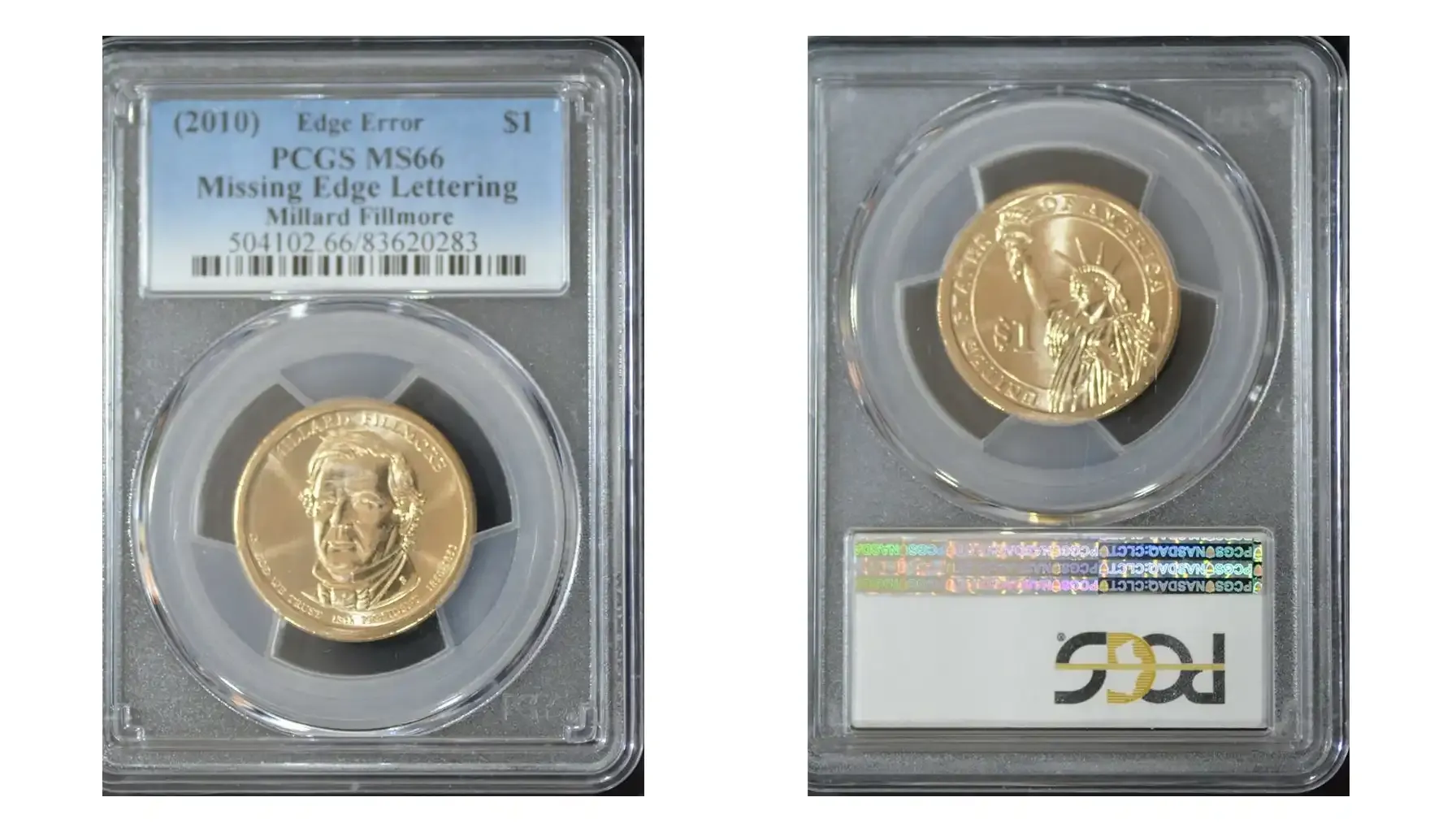
A coin can leave the Mint without edge inscriptions if it skips the lettering stage. Such Millard Fillmore dollar coin 1850-1853 pieces have a completely smooth edge with no date or motto. These are harder to find. That is why they sell for more than regular uncirculated specimens.
“Missing Edge Lettering error coins exist for each of the first 15 coins in the Presidential Dollar series.”
— NGC Numismatic Research Team
NGC website
Weak or Partial Edge Lettering
Some pieces show lettering that is light, shallow, or only partly formed. This comes from low pressure or poor alignment during the lettering step. The appearance varies from faint marks to nearly complete but weak text. Prices rise only when the Millard Fillmore dollar coin error is clear enough to stand out.
Double or Overlapping Edge Lettering
In rare cases, the coin receives edge inscriptions twice or at an angle that makes the letters overlap. The edge shows doubled or repeated characters. These pieces are less common than weak lettering errors and usually bring higher Millard Fillmore coin value sums when the doubling is easy to see.
Pricing Overview
Regular uncirculated Fillmore dollars are inexpensive.
Error pieces with missing, doubled, or clearly flawed lettering bring higher prices, with missing-edge examples leading the group. Condition remains the main factor in how much any of these pieces sells for.
Variety | Value Range (USD) |
Position A | $1.00–$3.00 |
Position B | $1.00–$3.00 |
Missing Edge Lettering | $25–$120 |
Weak / Partial Edge Lettering | $5–$20 |
Double / Overlapping Edge Lettering | $20–$60 for visible doubling; higher for strong |
Millard Fillmore dollars are easy to sort once you know what to look for, and edge-related errors are the only features that add meaningful value. Missing lettering remains the strongest find, with doubled impressions following behind it. For quick checks, a tool like Coin ID Scanner helps identify your specimens and assesses them.

 Facebook
  X (Twitter)
  Pinterest
  LinkedIn