Contents:
Shipwreck coins were underwater for a long time. They survived storms, saltwater, and shipwreck burial. The El Cazador shipwreck, an Admiral Gardner shipwreck coin, or an Atocha shipwreck coin are still selling out.
Do you have one? Maybe you would like to identify rare coins and know how much it costs to possess this kind of rarity.
What Are Shipwreck Coins?
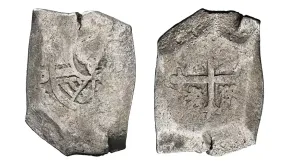
Shipwreck coins are recovered from sunken ships: merchant, treasure, or naval vessels. They may be gold, silver, or copper, from different time periods, and the purpose of the cargo.
You may purchase them as raw coins, prefer them mounted as a shipwreck coin pendant, so the artifact would be wearable and preserved.
Their value depends on:
The rarity of the original piece type
The story or event tied to the wreck
If the coin is certified or documented
Condition after recovery
Shipwreck pieces are both historical objects, so they often have certificates of authenticity.
Overview of the El Cazador Shipwreck
El Cazador (Spanish for The Hunter) was a Spanish brig during a time when Spain controlled large areas of North America, the Louisiana Territory. In the late 1700s, the region had a serious economic problem: its currency consisted mostly of paper money with no backing in silver or gold. To solve this, King Carlos III of Spain decided to replace the unstable paper currency with real silver.
The cargo had:
400,000 silver pesos (8 reales, “Pieces of Eight”)
50,000 pesos worth of smaller denominations
Total weight was about 37,500 pounds (≈ 17,000 kg) of silver
This was the standard Spanish currency and was accepted across North America, Europe, and the Caribbean. It has a purity and high minting quality, so the 8 reales coin later influenced the design of the early U.S. dollar.
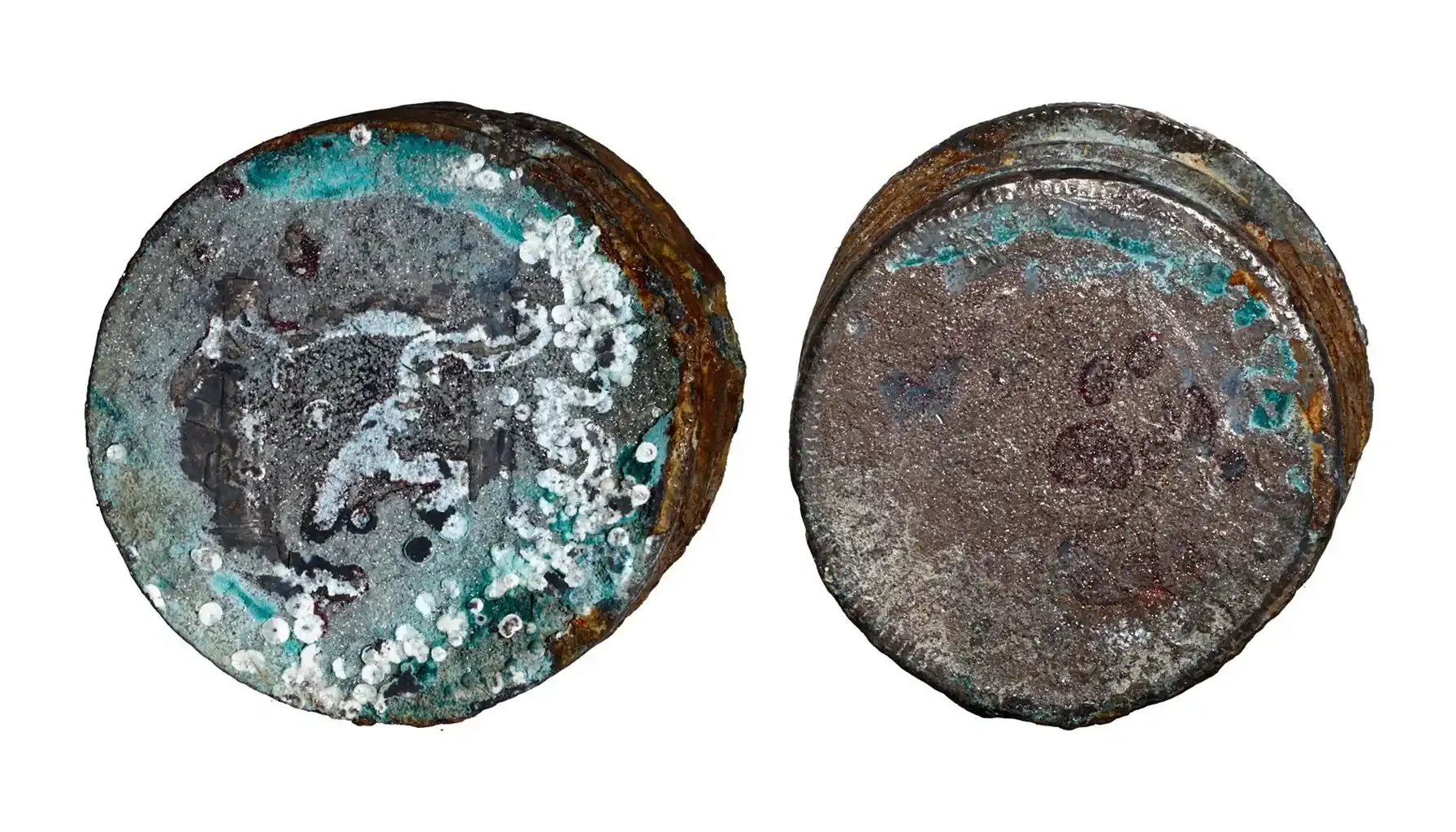
The king chose a trusted officer, Captain Gabriel de Campos y Pineda, to command the mission. On January 11, 1784, El Cazador left Veracruz headed to New Orleans. The ship never arrived. By June 1784, after failed attempts to locate her, Spain declared the vessel missing.
The Importance of the Ship
Some historians note that without this shipment, the economic decline continued, and Spain eventually lost confidence in the Louisiana Territory. Only 20 years later, the territory changed hands and was sold by France to the United States in the Louisiana Purchase.
It left Veracruz in January 1784 carrying thousands of freshly minted silver reales. The ship never arrived and sank somewhere in the Gulf of Mexico. Its disappearance contributed to Spain’s financial decline in North America. Spain eventually ceded Louisiana to France, and it later became part of the United States through the Louisiana Purchase.
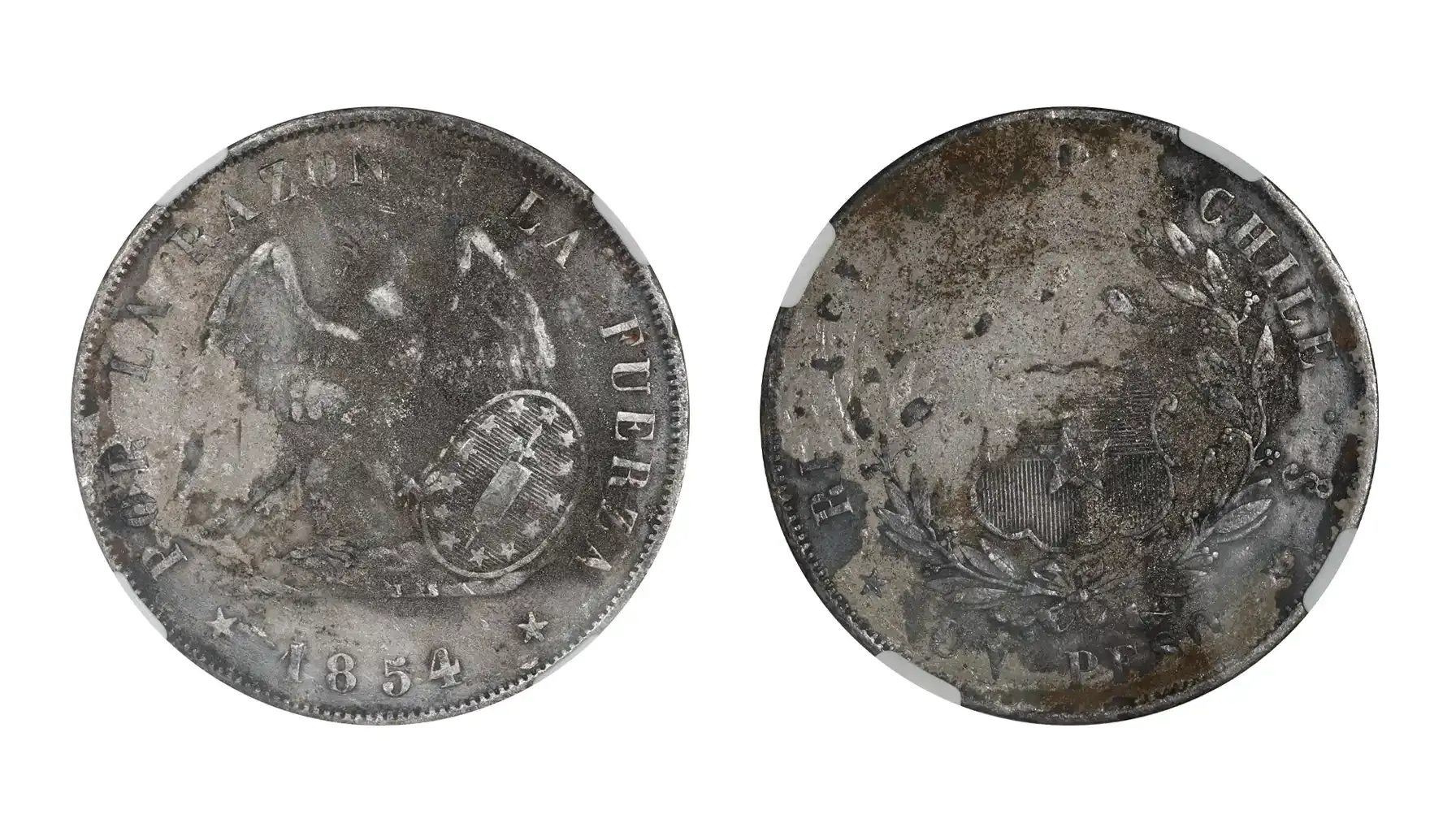
The wreck was rediscovered in 1993 by a fishing trawler. The recovery turned El Cazador into one of the most well-known modern treasure finds, and El Cazador coins, mostly silver reales, are now purchased by collectors worldwide.
“Treasure from the ship was originally housed in a safe at the old Grand Bay State Bank building in Grand Bay, Alabama. In December 2004 the Executors of the Reahard estate hired Jonathan Lerner of Scarsdale Coin to appraise the coins. This appraisal was completed in February 2005.”
— Unknown author
from the Wikipedia El Cazador (ship) page
El Cazador Shipwreck Coin Value
El Cazador shipwreck coin are 8 reales, 2 reales, or fractional pieces. Typical ranges:
Category | Examples in Listings | Typical Price Range |
½ Reale – Raw / Loose | Unmounted small silver coins | $550 – $1,100 |
½ Reale – Silver Pendant | Sterling bezel mounts | $950 – $1,450 |
½ Reale – 14K Gold Pendant | Dated 1773–1783 pendants | $1,250 – $2,300 |
½ Reale – Earrings (pair) | Gold-mounted matched coins | $2,300 – $2,900+ |
1 Reale – Raw / Loose | Unmounted single pieces | $900 – $1,800 |
1 Reale – Silver Pendant / Bracelet | Mixed silver settings | $1,450 – $2,200 |
1 Reale – 14K Gold Pendant | Standard 4-prong style | $1,275 – $1,900 |
2 Reales – Raw / Loose | Large silver denomination coins | $1,000 – $2,000 |
2 Reales – Silver Pendant / Bracelet | Sterling framed (bracelets included) | $1,450 – $2,450 |
2 Reales – 14K Gold Pendant | Standard jewelry mount | $1,450 – $3,300 |
2 Reales – Decorative / Specialty | Skull mounts, octopus claw frames, gemstone accents | $2,350 – $3,800+ |
8 Reales – Raw / Loose | “Piece of Eight” pirate style | $1,600 – $3,500+ |
8 Reales – Silver Pendant | Heavy bezel silver jewelry | $1,800 – $3,200 |
8 Reales – 14K/18K Gold Pendant | Large premium mounted coins | $3,200 – $6,500+ |
Full Collector Sets | (½, 1R, 2R, 4R, 8R boxed) | $5,500 – $9,500 |
Coins mounted in jewelry can also sell within or above this range. Since these reales were standard Spanish currency, many collectors treat them as early New World monetary history.
Admiral Gardner Shipwreck History
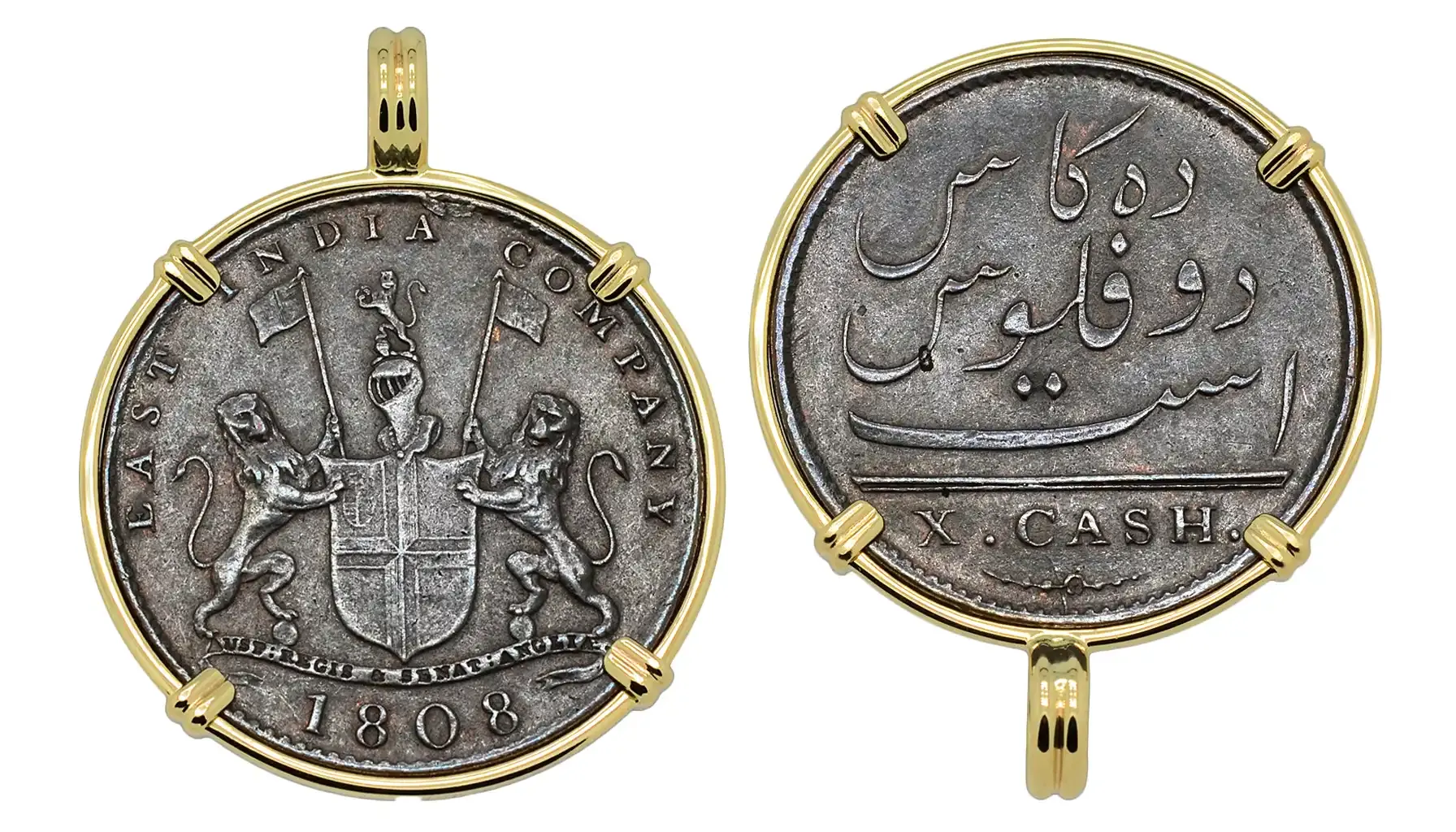
The Admiral Gardner belonged to the British East India Company and was loaded with thousands of fresh copper 10 cash coins when it sank in the English Channel in 1809.
The ship was bound for Madras and Bengal to support trade operations and local payment systems. A violent storm tore the ship apart before it cleared British waters. Two other EIC ships (Apollo and Britannia) were also lost in the same storm.
Most of the crew survived, but the cargo (valued at more than £21,000) went to the ocean floor. For over 170 years, the wreck stayed untouched until divers rediscovered it in 1984.
Atocha Shipwreck Coins
The Spanish galleon Nuestra Señora de Atocha sank in 1622 near the Florida Keys while carrying gold, silver, and minted treasure. An Atocha shipwreck coin, especially from Spain’s colonial era minting system, is one of the most recognizable shipwreck collectibles on the market.
These pieces have higher values because of the ship’s status as a major treasure find and the rarity of many denominations. Collectors sometimes search specifically for Atocha shipwreck coin in Spain coins categories, particularly early colonial types from Potosí or Mexico City.

 Facebook
  X (Twitter)
  Pinterest
  LinkedIn