Contents:
- Design Features
- ASW: 1920 Silver Dime Value
- How Much Is a 1920 Dime Worth?
- 1920-P Mercury Dime
- 1920-D Mercury Dime
- 1920 S Dime Mercury
- 1920 Dime Error Double Die Obverse
- 1920-D Rotated Reverse Error
- 1920 Repunched Mint Mark Error
- 1920 Clipped Planchet Error
- 1920 Die Break Error
- Grading Tips
- Where Collectors Can Buy or Sell Coins in 2025
- Frequently Asked Questions
Officially known as the 1920 Mercury Head Dime, this coin, minted from 1916 to 1945, holds a special place in the history of American coinage.
But despite this, not all collectors pay due attention to this collection, as they may prefer other tokens and generally do not know how to identify coins from this series.
Design Features
The obverse presents a profile of a young Lady Liberty facing left with a winged cap. The word "LIBERTY" arcs above her head, while the motto "IN GOD WE TRUST" is positioned to the left.
The reverse side is a complex tableau, featuring a fasces, a bundle of rods with a battle-axe attached. The inscription "UNITED STATES OF AMERICA" and the coin's denomination frame the central design.
ASW: 1920 Silver Dime Value
The specimen is composed of 90% Ag + 10% Cu.
The standard weight is 2.5 grams.
To determine the actual metal weight (ASW) of the coin, you would perform a simple calculation: 2.5 grams multiplied by 90% purity equals 2.25 grams of pure Argentum.
How Much Is a 1920 Dime Worth?
Name | Approximate 1920 Dime Value Today |
1920-P | $3 - $3,000 |
1920-D | $3 - $4,500 |
1920-S | $3 - $2,850 |
1920-P Proof | $800 - $2,000+ |
1920-P Double Die Obverse Error | $300 - $5,000+ |
1920-D Rotated Reverse Error | $100 - $500 |
1920-D Clipped Planchet Error | $15 - $100+ |
1920 Die Break Error | $20 - $150+ |
The 1920 dime coin value can change based on market demand, condition, grading, and the specific characteristics of individual coins.
1920-P Mercury Dime
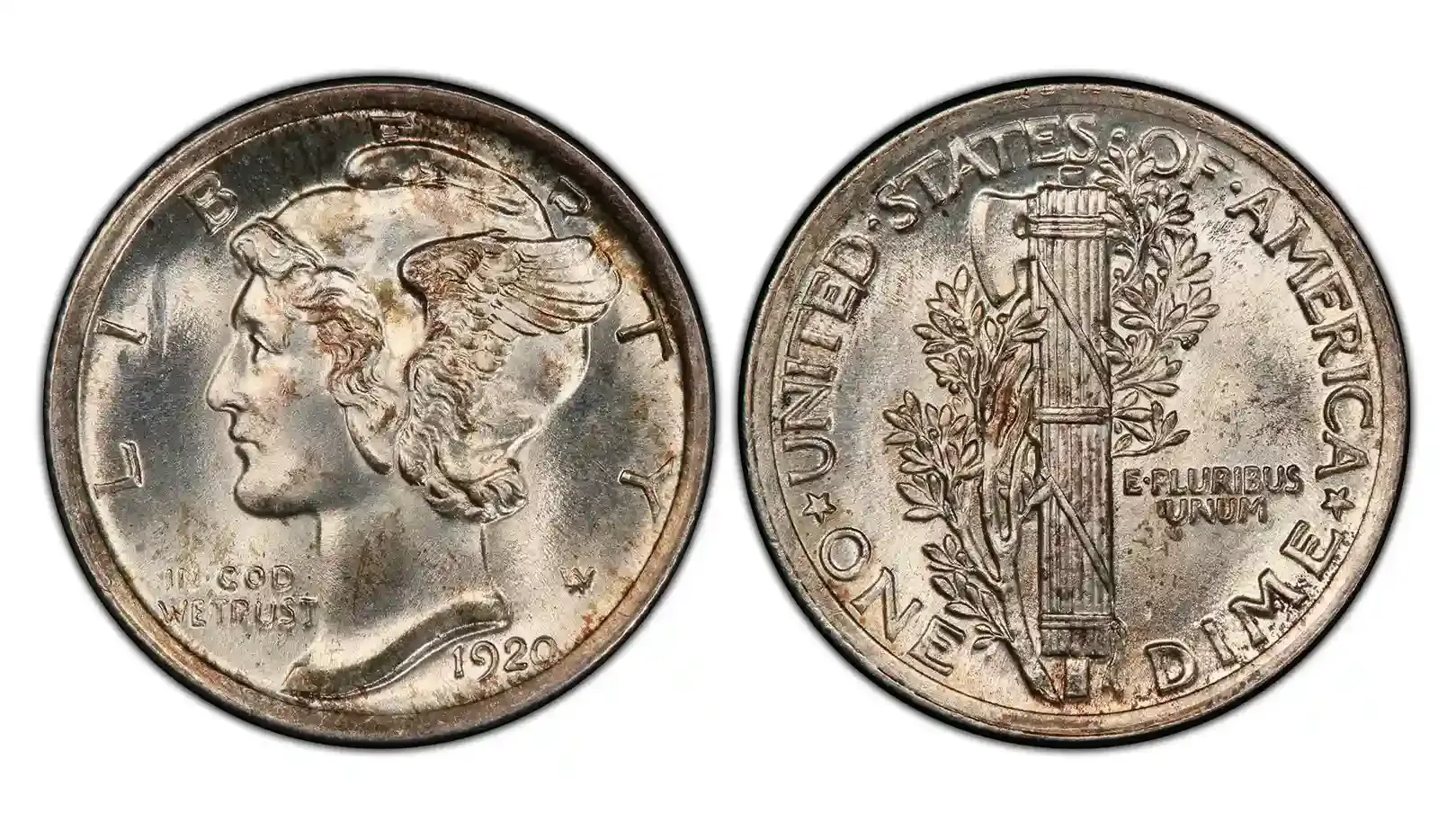
The Philadelphia Mint, which does not use any mark, produced a large number of 10Cs in 1920.
Mintage: 59,030,000
Weight: 2.5 grams
Diameter: 17.9 millimeters
Composition: 90% Ag, 10% Cu
Auction Record Note: A certified 1920 Mercury dime no mint mark in pristine condition (MS-67 Full Bands) sold on Heritage Auctions for approximately $15,000 in early 2024.
Market Value
Grade | Approximate Value Of 1920 Dime |
Good-4 | $3.00 |
Fine-12 | $4.00 |
Extremely Fine-40 | $8.00 |
Uncirculated (MS-60) | $15.00 |
Uncirculated (MS-65 FB) | $200 - $300 |
The 1920 D dime value can change based on market demand, condition, grading, and the specific characteristics of individual specimens.
1920-D Mercury Dime
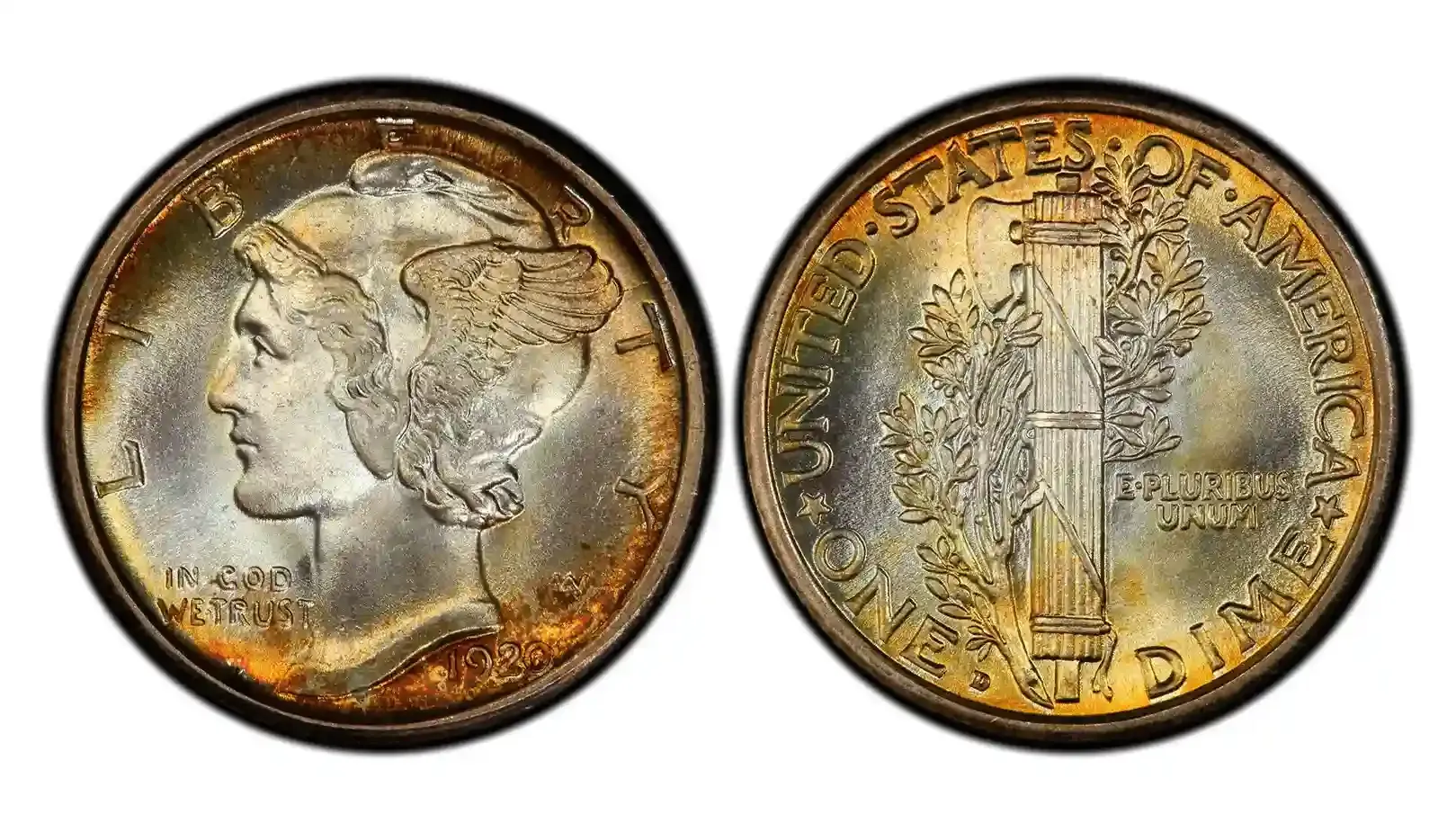
Denver produced the second-highest number of 10Cs in 1920.
Mintage: 19,171,000
Weight: 2.5 grams
Diameter: 17.9 millimeters
Composition: 90% Ag, 10% Cu
Auction Record Note: An example of a 1920 US dime graded MS-66 FB by PCGS realized a price of approximately $12,000 at a Stack's Bowers Galleries auction in mid-2024.
Market Value
Grade Type | Approximate 1920 Mercury Dime Value Today |
Good-4 | $3.00 |
Fine-12 | $8.00 |
Extremely Fine-40 | $20.00 |
Uncirculated (MS-60) | $45.00 |
Uncirculated (MS-65 FB) | $1,500 - $2,000 |
The value can change based on market demand, condition, grading, and the specific characteristics of individual specimens.
1920 S Dime Mercury
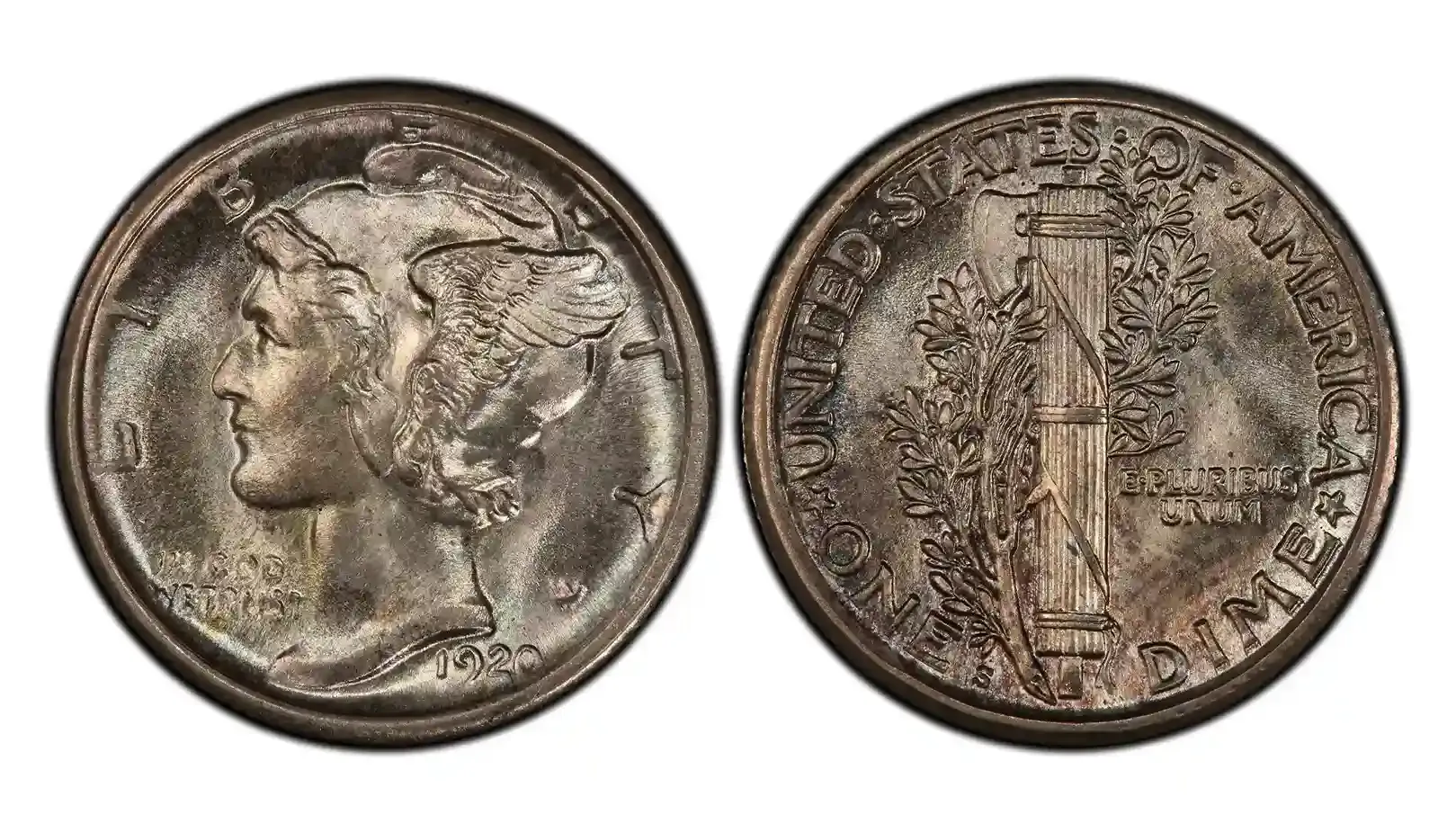
San Francisco had the lowest mintage for the 1920 dime, making this the most difficult to find of the three circulation-strike issues.
Mintage: 13,820,000
Weight: 2.5 grams
Diameter: 17.9 millimeters
Composition: 90% Ag, 10% Cu
Auction Record Note: How much is a 1920 Mercury dime worth? A very rare 1920-S 10C, graded MS-66+ FB by PCGS, sold for an impressive sum of $2,040 at a Stack's Bowers November 2024 showcase auction.
Market Value
Grade | Approximate Value |
Good-4 | $3.25 |
Fine-12 | $8.00 |
Extremely Fine-40 | $18.00 |
Uncirculated (MS-60) | $45.00 |
Uncirculated (MS-65 FB) | $600 - $1,000 |
The 1920 S Mercury dime value can change based on market demand, condition, grading, and the specific characteristics of individual specimens.
1920 Dime Error Double Die Obverse
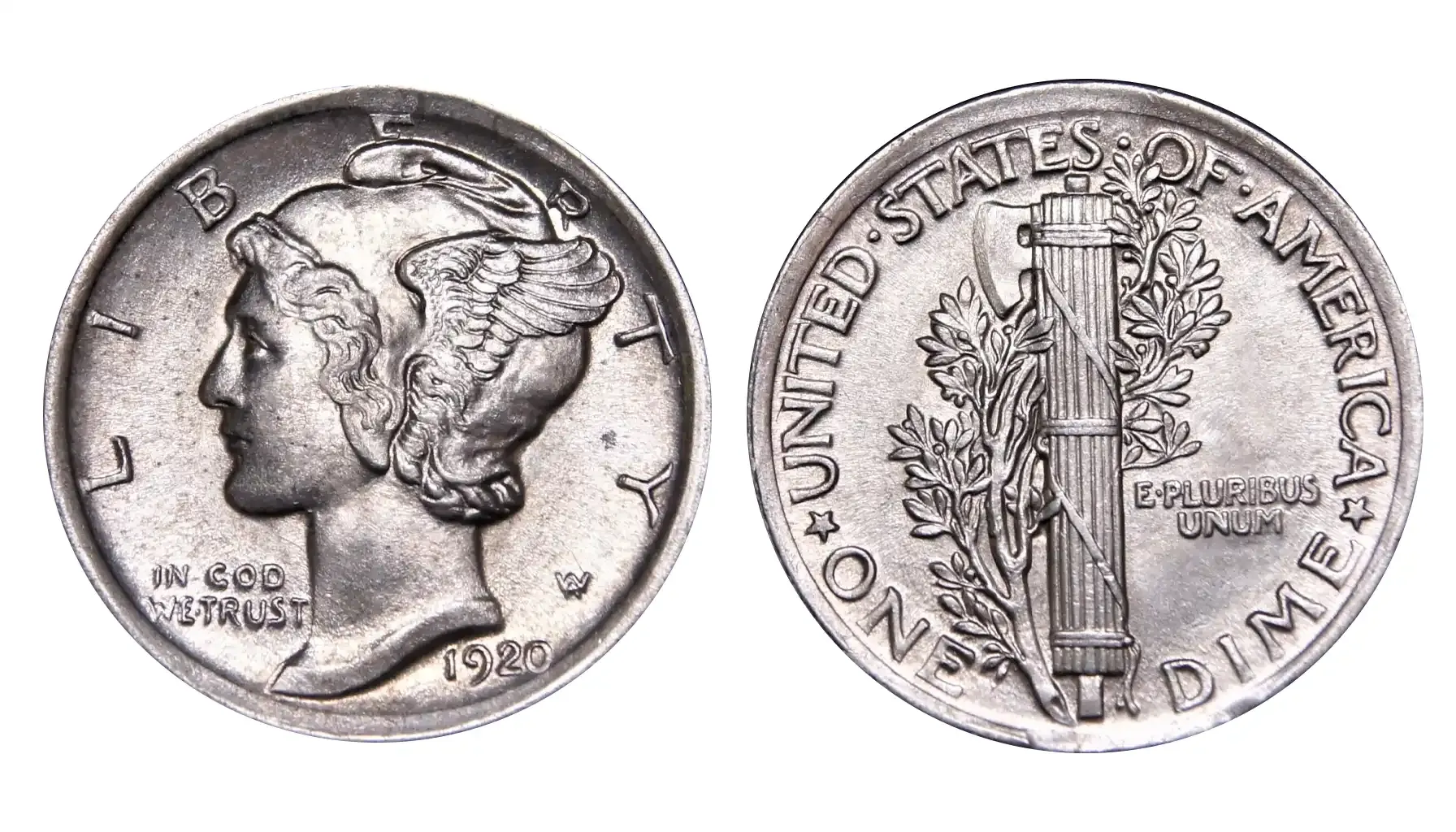
It involves a clear doubling of the date "1920" and other letters on the obverse side of the coin, which was caused by a slight shift in the die during the striking process.
Mintage: Unspecified
Weight: 2.5 grams
Diameter: 17.9 millimeters
Composition: 90% Ag, 10% Cu
Auction Record Note: Is a 1920 dime worth anything? An authenticated Mercury dime 1920 Double Die Obverse error, graded AU-58, was sold for approximately $4,200 on an online auction platform in early 2024.
1920-D Rotated Reverse Error
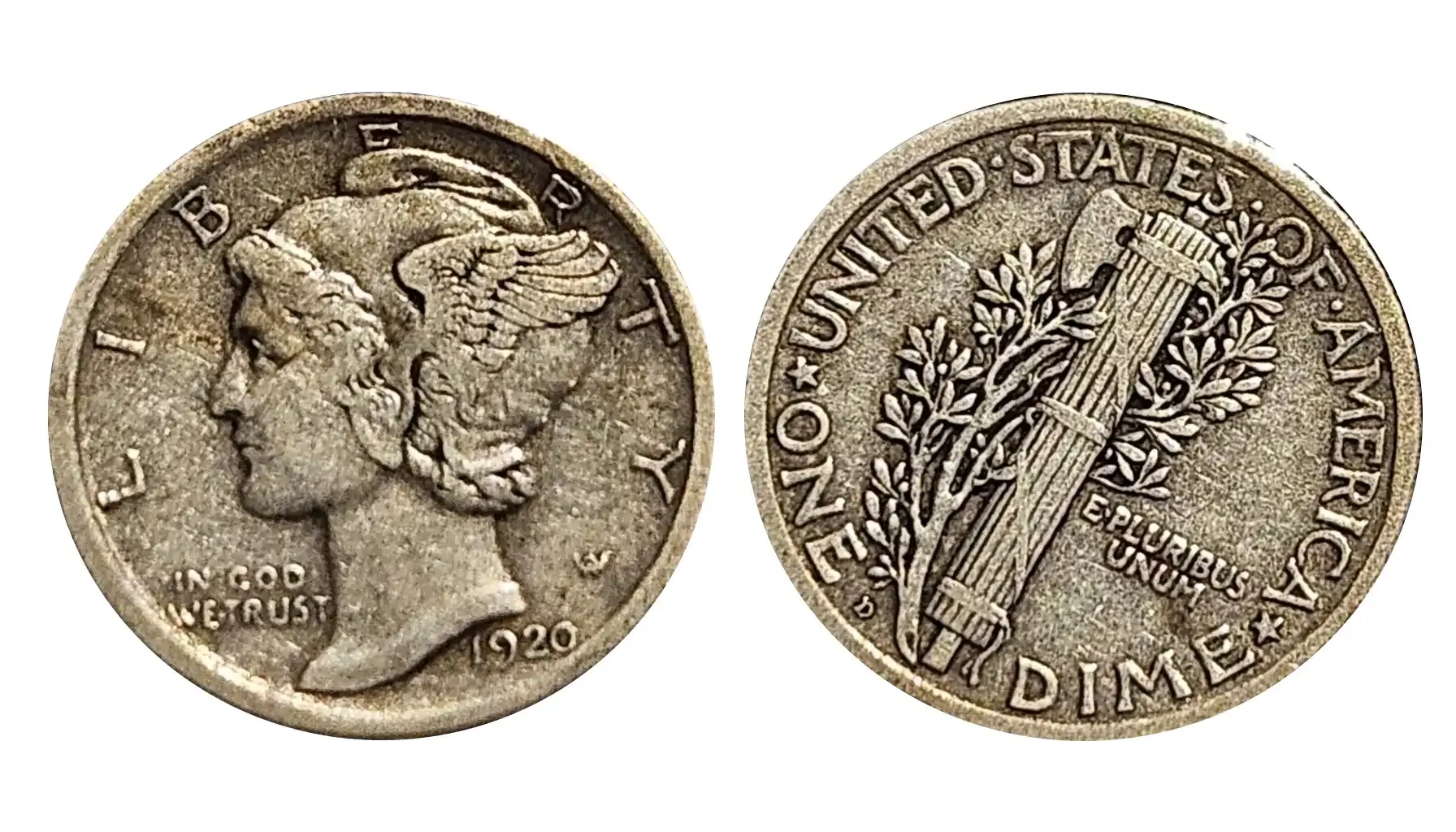
Mintage: Unspecified
Weight: 2.5 grams
Diameter: 17.9 millimeters
Composition: 90% Ag, 10% Cu
Auction Record Note Years: A 1920-D with a rotated reverse, graded F-15, sold on eBay for approximately $150 in late 2024, demonstrating the market for these less dramatic errors.
1920 Repunched Mint Mark Error
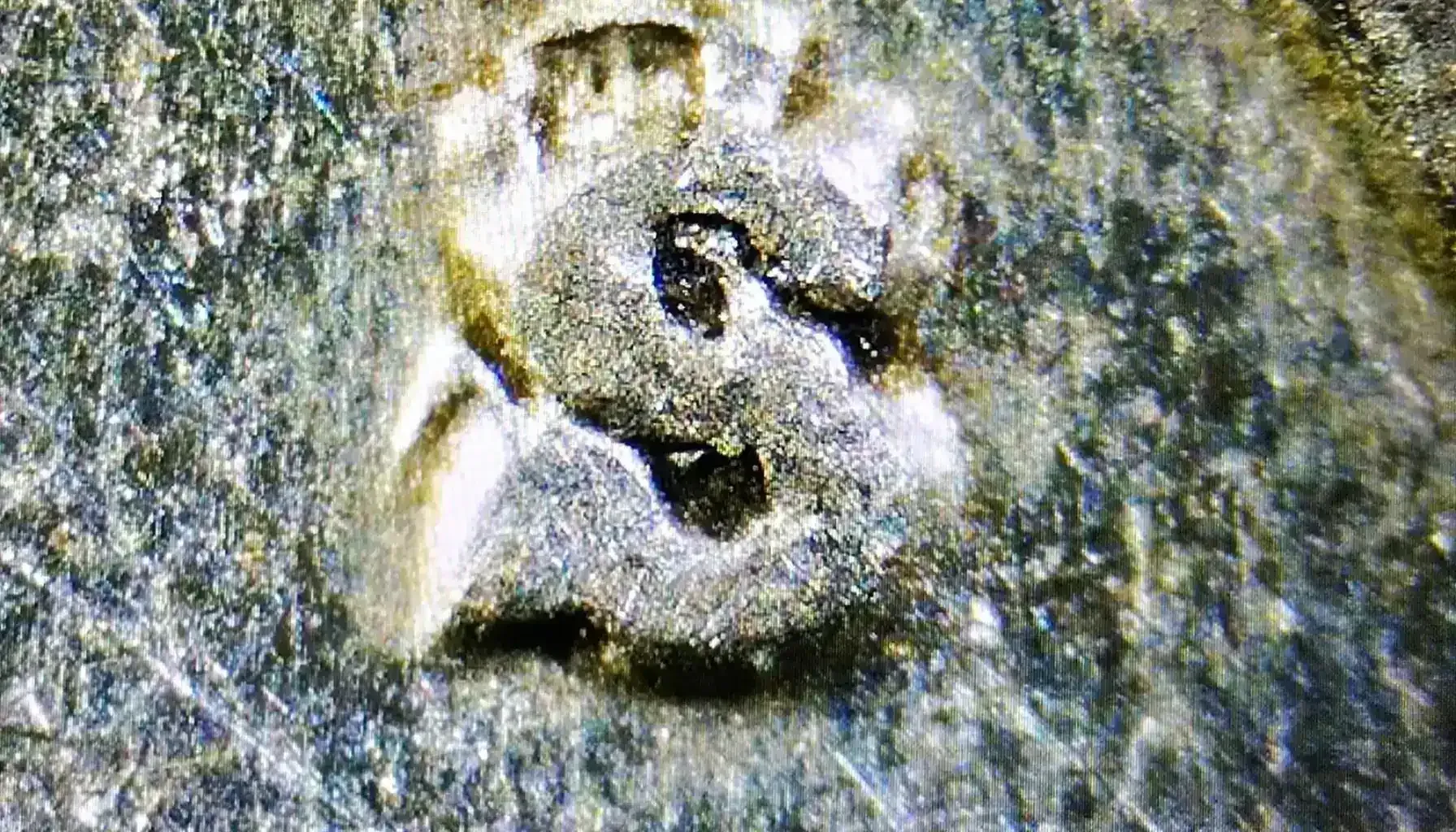
A repunched mark occurs when the mint mark punch is struck more than once on the die, resulting in a doubled or overlapping appearance.
Mintage: Unspecified
Weight: 2.5 grams
Diameter: 17.9 millimeters
Composition: 90% Ag, 10% Cu
Auction Record Note: What is a 1920 dime worth? Minor RPMs for this date are not as well-documented as major errors, but examples can add a premium of $15-$50 over a standard circulated piece, depending on the clarity of the doubling.
1920 Clipped Planchet Error
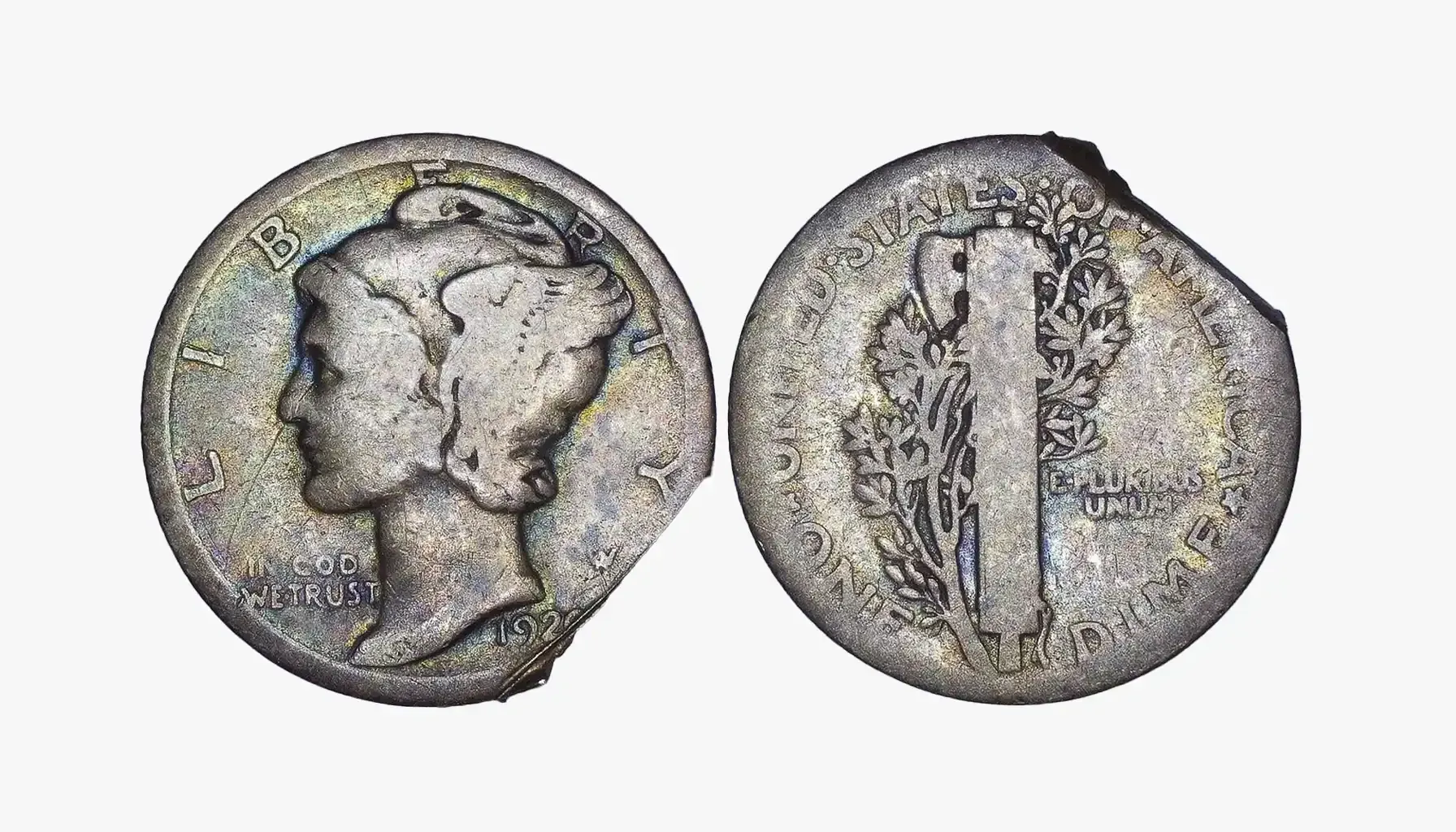
This type of error occurs when the blank coin is not properly fed into the minting press and is struck with a small piece missing from its edge. The resulting one will have a crescent or straight-line clip along its rim.
Mintage: Unspecified
Weight: Varies, depending on the size of the clip
Diameter: Varies, depending on the size of the clip
Composition: 90% Ag, 10% Cu
Auction Record Note Years: An example of a D specimen with a straight clip sold for approximately $88 on an online auction platform in 2024.
1920 Die Break Error
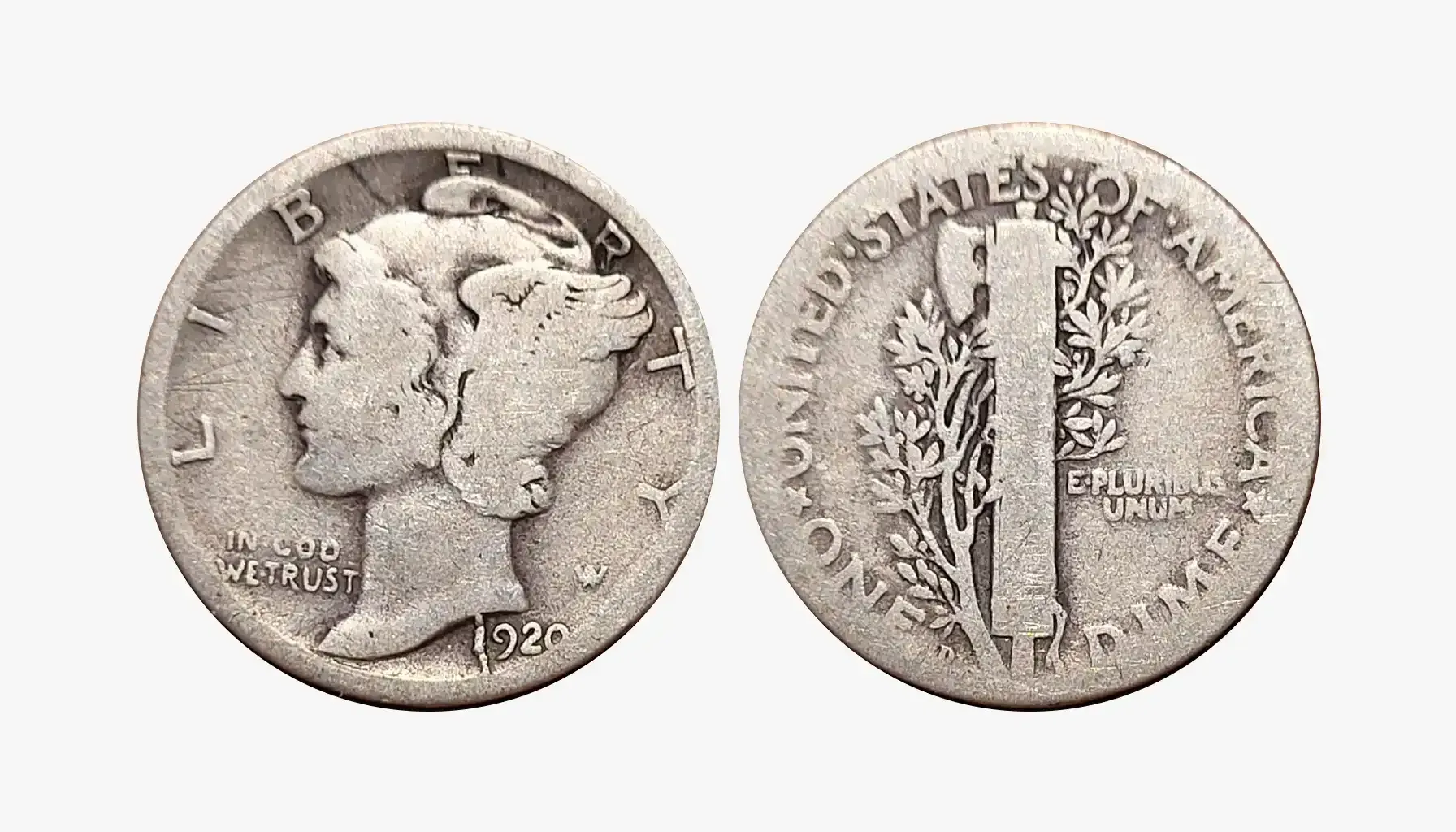
A die break is a more severe form of this error, where a piece of the die breaks off, leaving a raised, blob-like area (a "cud") on the coin.
Mintage: Unspecified
Weight: 2.5 grams
Diameter: 17.9 millimeters
Composition: 90% Ag, 10% Cu
Auction Record Note Years: A circulated 1920 Mercury dime with prominent die breaks on the obverse sold for approximately $45 on an online marketplace in early 2024.
Grading Tips
The most significant factor for value, especially in uncirculated pieces, is the "Full Bands" designation. For one to be considered a Full Bands (FB) variety by major grading services such as PCGS and NGC, all four horizontal bands must be fully separated and distinct without any breaks or interruptions.
When examining your coin, pay attention to the high points of the design for any signs of wear, especially on Lady Liberty's cheek, hair strands, and the winged cap on the obverse, as well as the central bands on the reverse.
Where Collectors Can Buy or Sell Coins in 2025
Online auction platforms such as Heritage Auctions and Stack's Bowers are suitable for high-grade, certified specimens.
For more common, lower-value ones, websites like eBay or specialized online dealers are useful.
You may also consider working with a local professional dealer or attending numismatic shows and conventions in your area. Selling coins to a professional numismatist often ensures a fair price based on market demand and a quick, secure transaction.
For high-value pieces, consigning to a major auction house is a good way to achieve the highest possible price, though it involves fees and a longer process.
Frequently Asked Questions
What is the difference between a 1920 Mercury dime and a Winged Liberty Head dime?
There is no difference; "Mercury" type is the widely used nickname for the coin, but "Winged Liberty Head" type is its official name.
How can I tell if my 1920 10C has a mint mark?
A "D" for Denver or an "S" for San Francisco is located on the reverse side of the coin, near the bottom, to the left of the fasces bundle, while the Philadelphia issue has no mark.
Why are some 1920 10Cs worth so much more than others?
The value is highly dependent on the coin’s condition, and especially on the "Full Bands" designation, which indicates a strong strike and excellent preservation. The rarity of the mint mark also plays a major role, with the San Francisco issue generally being the most valuable.
Are there any other known errors for 1920 Mercury dimes?
While the Double Die Obverse and Rotated Reverse are the most famous, other minor errors like die breaks, planchet flaws, or clipped planchets may occasionally be found by collectors.

 Facebook
  X (Twitter)
  Pinterest
  LinkedIn