Contents:
Are you holding a round piece of metal and thinking about its value? But that's for nothing - rare Australian coins can be expensive. Moreover, they often have a long and interesting history behind them.
The Story Behind the Australian One Dollar Coin
The year is 1984. The Prime Minister of Australia was Bob Hawke. It was in this year that the Australian dollar began to circulate for the first time. He replaced the one-dollar bill.
Why? It's really simple - it's more practical. The service life of the coin increased, and this reduced the production costs of the Royal Mint.
The design consists of five kangaroos, often referred to as the "Spew Roo." This design was created by Stuart Devlin.
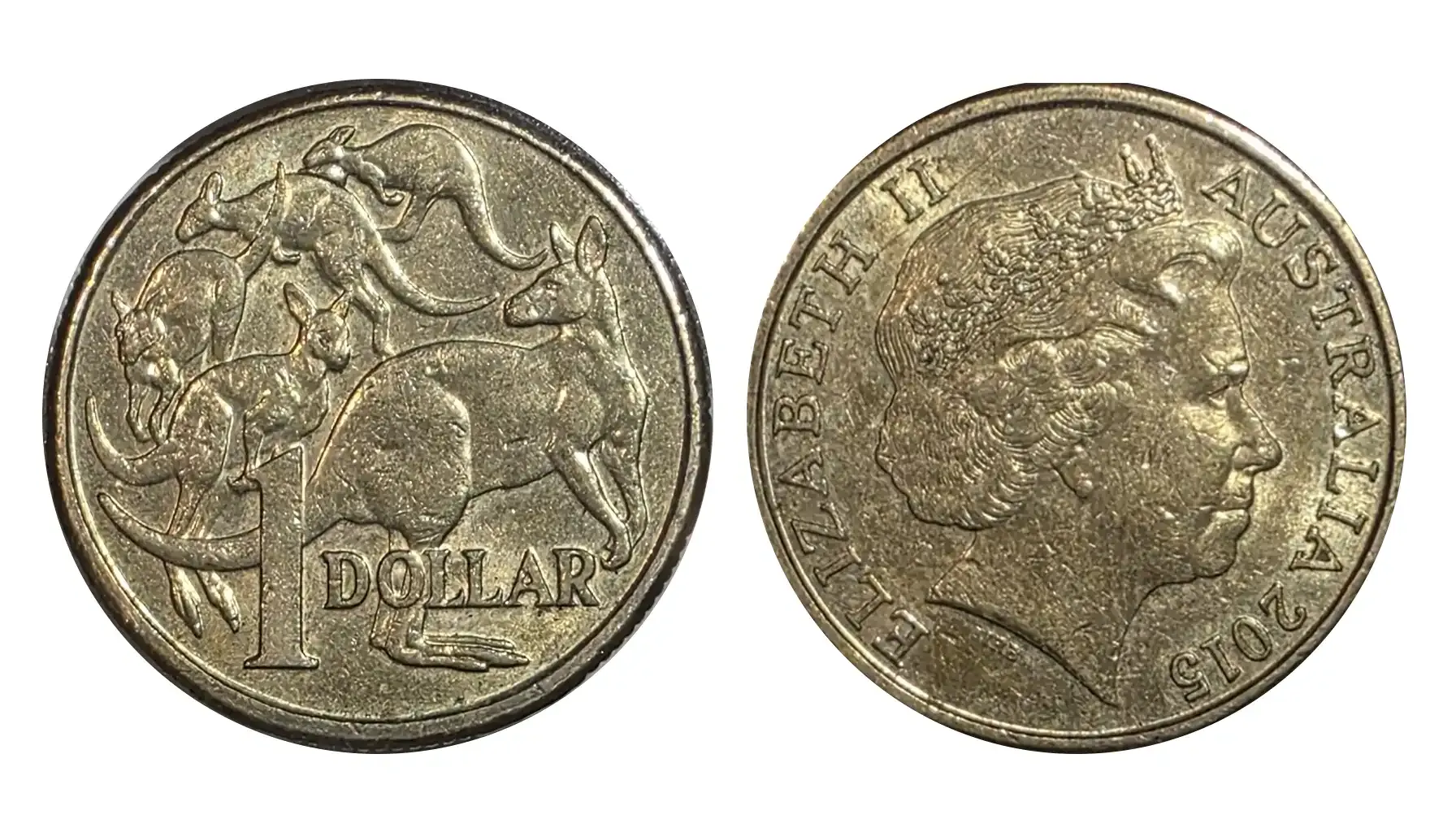
Over the following years, it was issued several times as a commemorative coin.
Although the basic design of the "Spew Roo" has been preserved, special features have appeared in certain years or during the minting process. They are the ones that are important to collectors.
Rare and Valuable One Dollar Coins
Here you need to look for a low circulation within a certain year, a unique design of a commemorative coin, or an error in minting. It is these factors that make a thing valuable.
One of the most famous examples is the 2000 Mule bug. It was accidentally minted using a stamp from the obverse. It was intended for a 10-cent piece. But as a result, a clear double rim appeared around the portrait of the queen.
Another unique moment of this "Spew Roo" is from 1992. The circulation here was much lower than in other years.
Year | Feature | Factor | Circulated | Uncirculated |
1984 | Standard Mob of Roos | Common | $1 - $2 | $5 - $15 |
1992 | Standard Mob of Roos | Lower Mintage | $5 - $20 | $30 - $100+ |
2000 | "Mule" Error (10c Obverse) | Unusual Error | $500 - $3,000 | $1,000 - $5,000 |
2016 | Changeover $1 (50th Anniv.) | Commemorative | $2 - $5 | $10 - $30- $30 |
2019 | "A, U, S" Alphabet Series | Limited Release | $3 - $10 | $15 - $50 |
2020 | "Donation Dollar" | Unique Purpose | $1 - $2 | $5 - $10 |
*This Australian $1 coin value chart is valid as of the 28th October.
Special Editions – The Bluey One Dollar Coin and Beyond
In addition to the australian 1 dollar coin value chart, which are typical for the entire coinage as a whole. There are also Bluey coins.
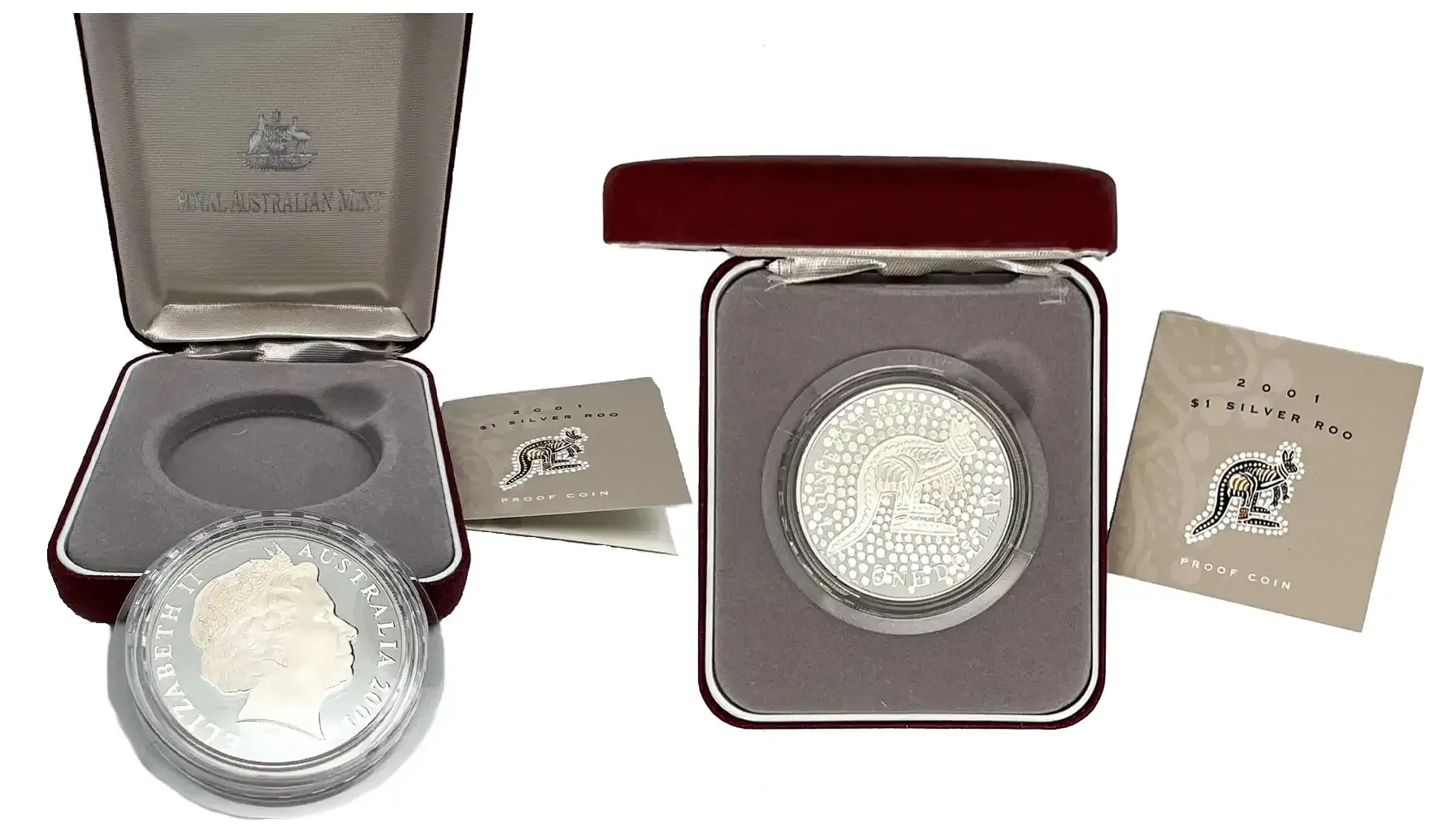
The Royal Australian Mint often issues similar special commemorative rare one dollar coin. They are usually available in limited quantities.
For example, an extreme example that has already earned its popularity in the society of numismatists is a blue coin with a face value of one dollar coin rare.
It was released as part of a series dedicated to a popular children's show.
The copies were quickly disassembled, especially by fans of this show. Although they are not very valuable in themselves, as with rare errors or the like, however, such a collaboration also takes place.
Other well-known issues are usually devoted to historical events, sports, or significant figures in the country. This Australian 1 dollar coin has a unique design and other distinctive features.
Evaluating and Cataloguing Your Coins
Condition
Uncirculated (UNC): No wear, full original mint lustre. The highest prices.
About Uncirculated (AU): Slight traces of wear on high points, most lustre present.
Extremely Fine (EF): Light wear on high points, all major details sharp.
Very Fine (VF): Moderate wear, some flattening of details.
Fine (F) / Very Good (VG) / Good (G): different levels of heavy wear, details becoming indistinct.
Identifying Key Features
Mint Marks: Most standard copies do not have a mint mark. However, there are small symbols or letters on the memorabilia. They denote a special issue or event.
Errors
Mules: As with the 2000 example, where dies from different denominations are mixed.
Off-Centre Strikes: Part of the design is missing or shifted.
Double Dies: Parts of the design appear doubled.
Planchet Errors: Struck on the wrong metal blank.
Die Varieties: The distance between the numbers in the date or differences in design elements.
Resources for Valuation
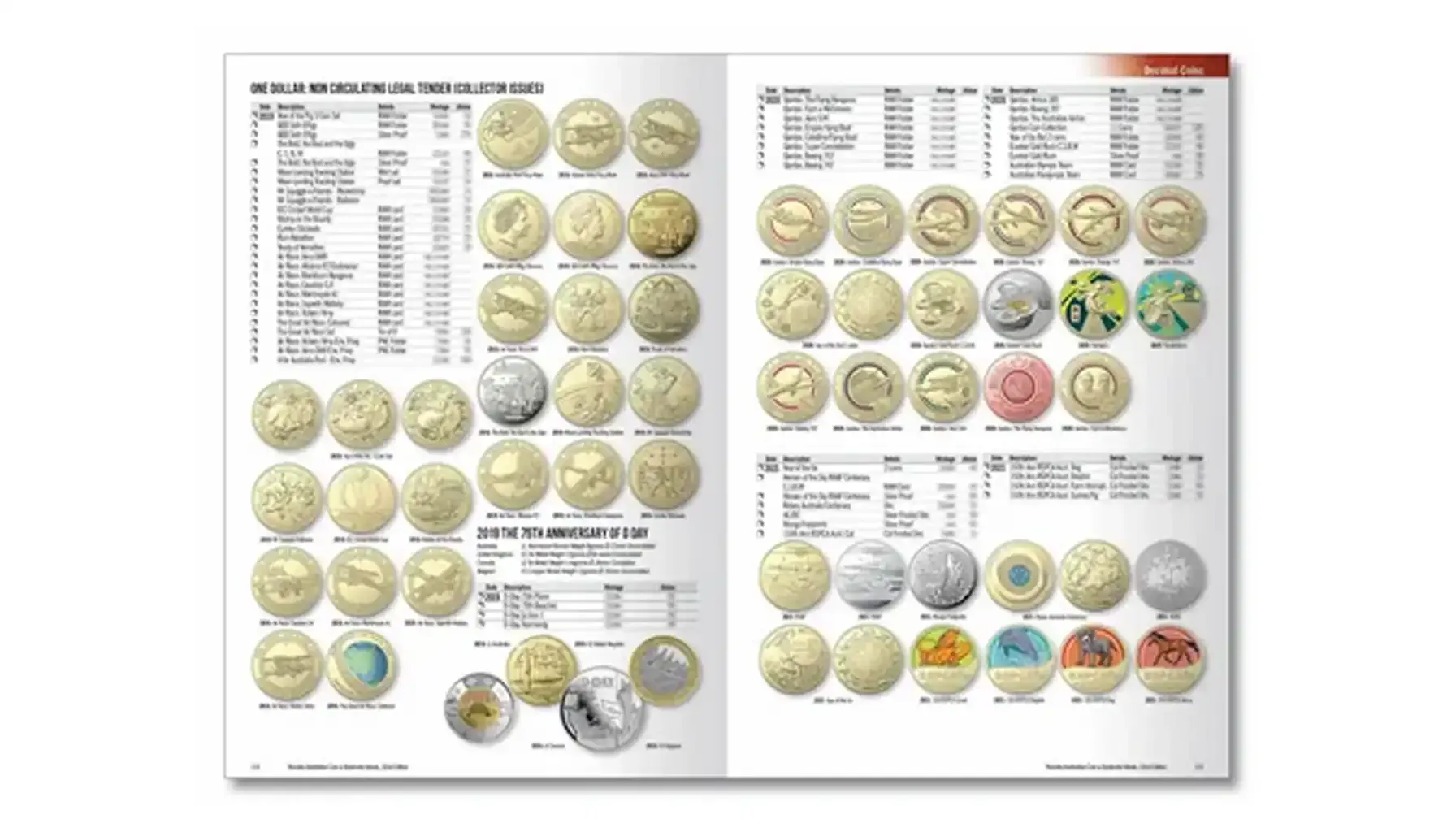
First of all, these are verified sources. And it doesn't matter what format. These can be numismatic catalogs: Renniks Australian Coin, Banknote Values and others. They provide detailed information, images, and a cost chart.
There are also online resources. For example, PCGS, NGC, and major auction houses. There you can also find detailed data of each instance and market demand in real time.
Naturally, we should not forget about the services of professional numismatists. They can also estimate the cost. Here you can also use online services: PCGS, NGC or ANACS.
They can authenticate, for example, your rare Australian $2 coins, assign it an accurate, universally recognized grade, and put it in a sealed case.
The Legacy and Future of the Australian $1 Coin
The Australian dollar coin has become very significant for numismatics in this country. It has become a symbol of national identity and history. It's not just a piece of metal, but actually an important part of culture.
The constant release of unique designs allows Australian coins to be in constant top and popularity.
For a numismatist, the one dollar coin Australia is really interesting. It really has a lot of meaning and value.

 Facebook
  X (Twitter)
  Pinterest
  LinkedIn