Contents:
It is no secret that minting errors on coins long ago became a subject of interest and are highly valued by both professionals and beginners. Among all U.S. coins, one of the most famous and popular errors refers to double dies.
What are double die coins? Why do we consider such specimens special, and how to tell if a penny is a double die? The point is that sometimes even a small deviation from the norm can become not just a defect, but an asset of exceptional value.
Double die Lincoln cents became popular and coveted pieces for collectors from all over the world. Let us understand how and why the double struck penny turned into a symbol of “wealth” and check coin value of the most prominent example that can unexpectedly end up in the hands of any lucky collector.
What is a Double Die Coin?
Did you know that no one even thought about the question until the middle of the 20th century, although this type of error was noticed at the beginning of the century? DD pennies gained real popularity only after the iconic 1955 Lincoln penny was discovered. Since then, it has been realized that unique error coins can be found even in a pocket, and their price would far exceed the face value.
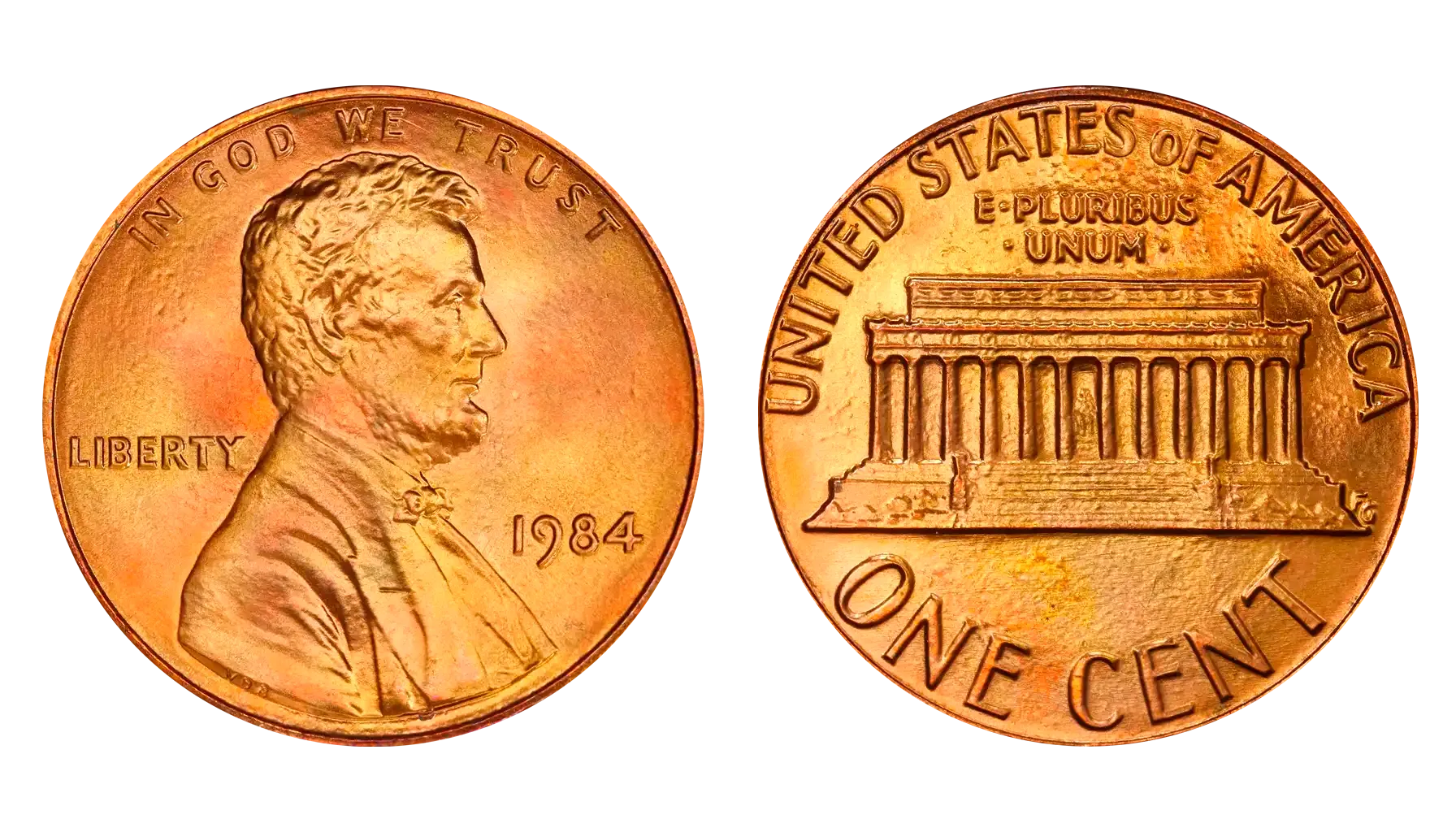
Double die is an error made during the stamping process when the die strikes the blank twice, resulting in duplicate design elements. What does a double die penny look like? Most often, such duplicates appear on inscriptions or dates, making instances with this error exclusive and special.
High mintage of coins increases the probability of errors. This is why some cents with this error can be worth up to a hundred times their face value, attracting the attention of both beginners and professionals. To make it relevant, it is always vital to have your coins graded by official agencies.
By the way, numismatists separate two types of this deviation, i.e., DDO (double die obverse) and DDR (double die reverse), depending on the side of the occurrence.
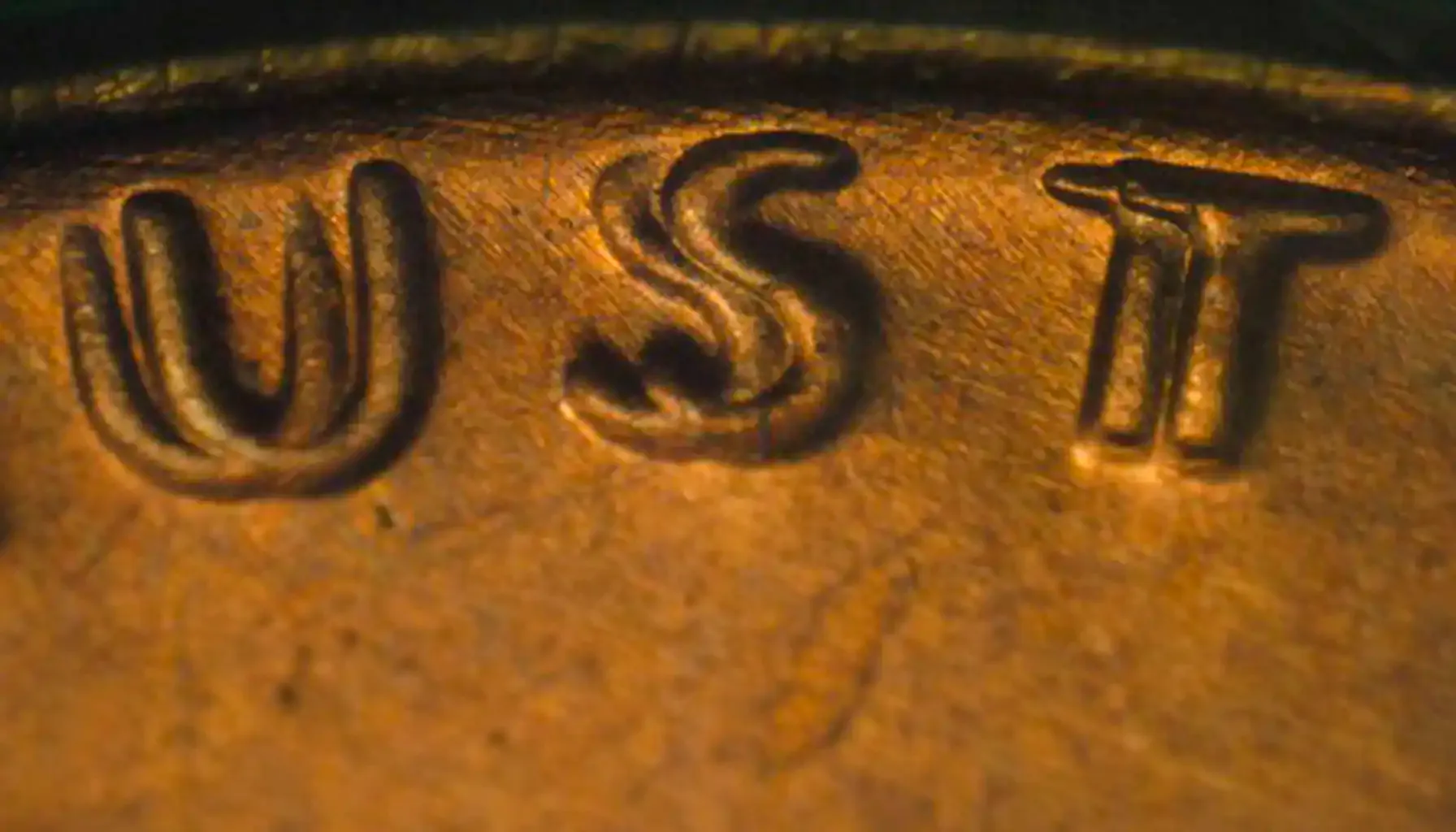
How to Identify DDO and DDR?
One should be aware of how to spot DDO and DDR coins on the spot. Although the easiest way is to use numismatic tools like Coin ID Scanner or compare the pictures of double die coins, we strongly recommend that you rely on a combination of approaches to make it efficient:
Inspect the Inscriptions: For DDO coins, look at the front (obverse). You might see clear doubling in LIBERTY, IN GOD WE TRUST, or the date. For DDR, check the reverse side – doubling can be displayed in words like ONE CENT, E PLURIBUS UNUM, or design elements.
Use Magnification: Doubling can be subtle. This is why it is reasonable to use magnifying tools to spot them right away.
Know the Difference: Be careful not to confuse them with machine doubling, which looks flat and shelf-like, for true errors exhibit strong, raised, and clearly separated design elements.
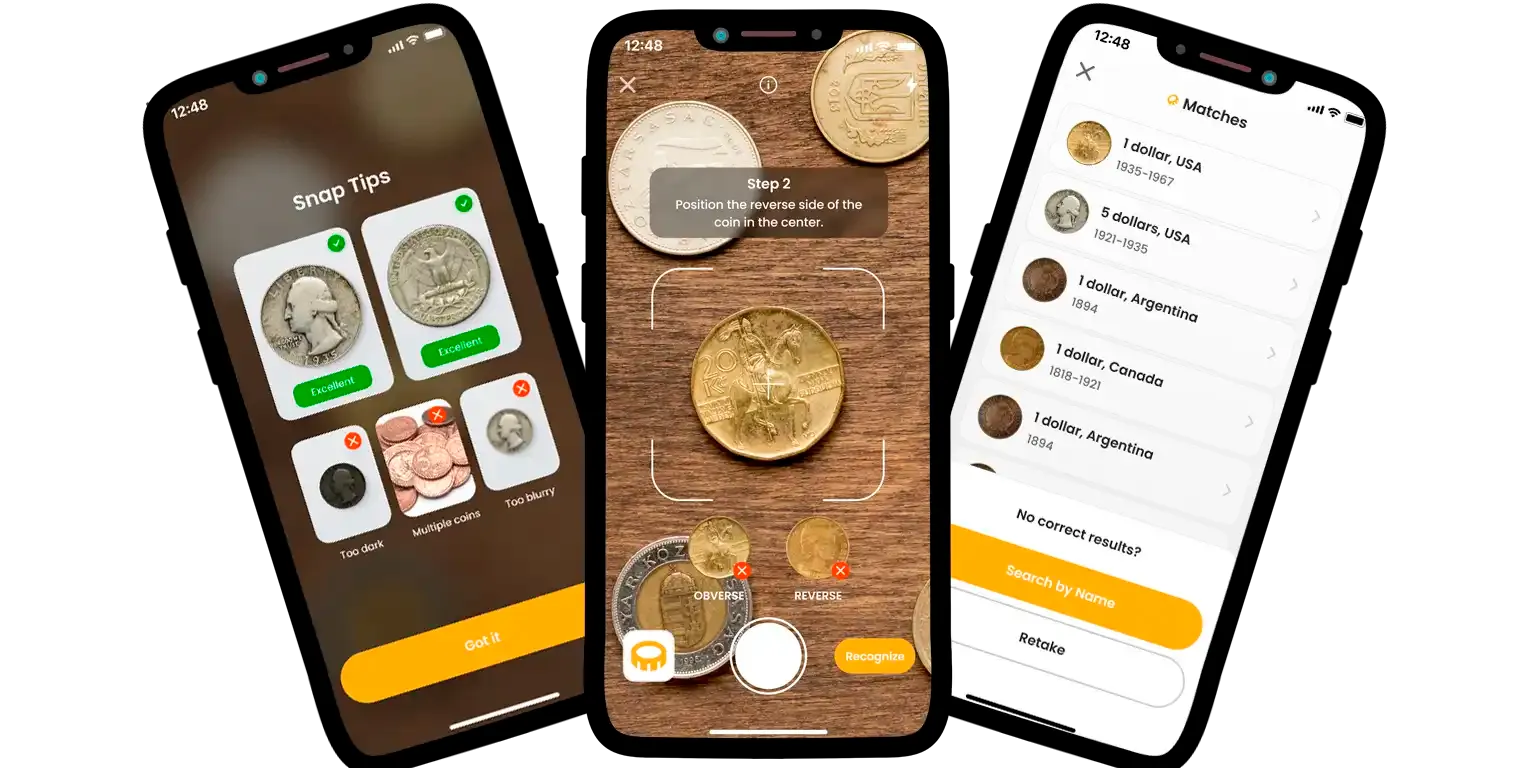
Use Digital Tools: Apps like Coin ID Scanner make it easy to identify DDO, DDR, and other error coins instantly. Just snap a photo, and the app will analyze your piece, detect known errors, and even estimate its value based on real market data.
List of Doubled Die Coins to Look for
1955 Doubled Die Penny: King of All Error Cents
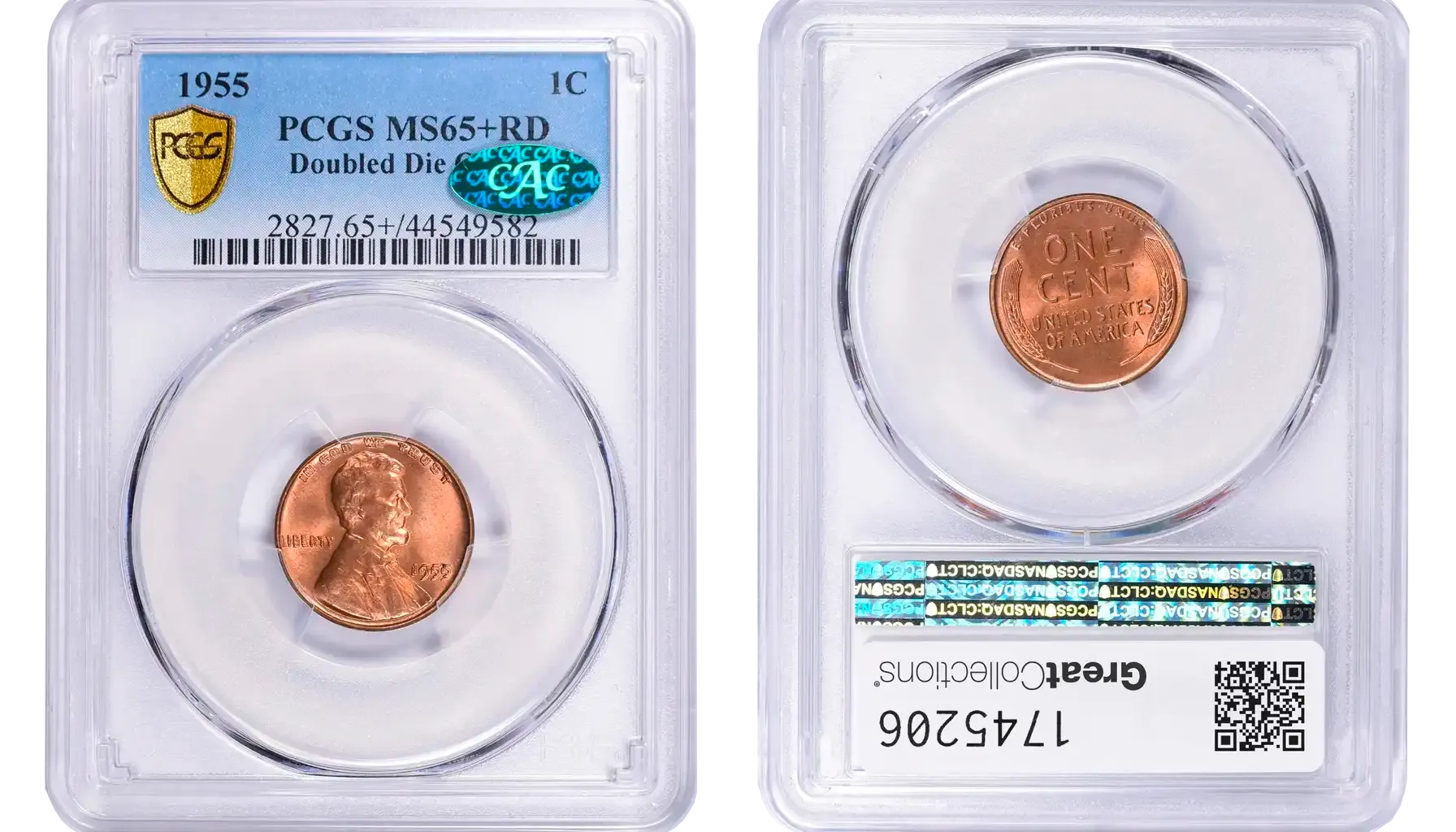
Auction Record: $285,000
Place of Doubling: Obverse – strong doubling in LIBERTY, IN GOD WE TRUST, and the date 1955
Degree of Doubling: Very strong – one of the most dramatic and visible errors ever struck
When it comes to DD errors, the first thing that comes to mind is the 1955 double die Lincoln cent, and for a good reason, the penny is widely regarded as the “King of Errors”.
Amazingly, this error was not noticed overnight, and the coins were put into circulation: the quality was selectively controlled, and it is believed that these instances were minted at night when there was no inspection. As a result, the coins circulated around the country, though their value was not recognized immediately.
1958 Lincoln Cent DDO: Red Copper Collection
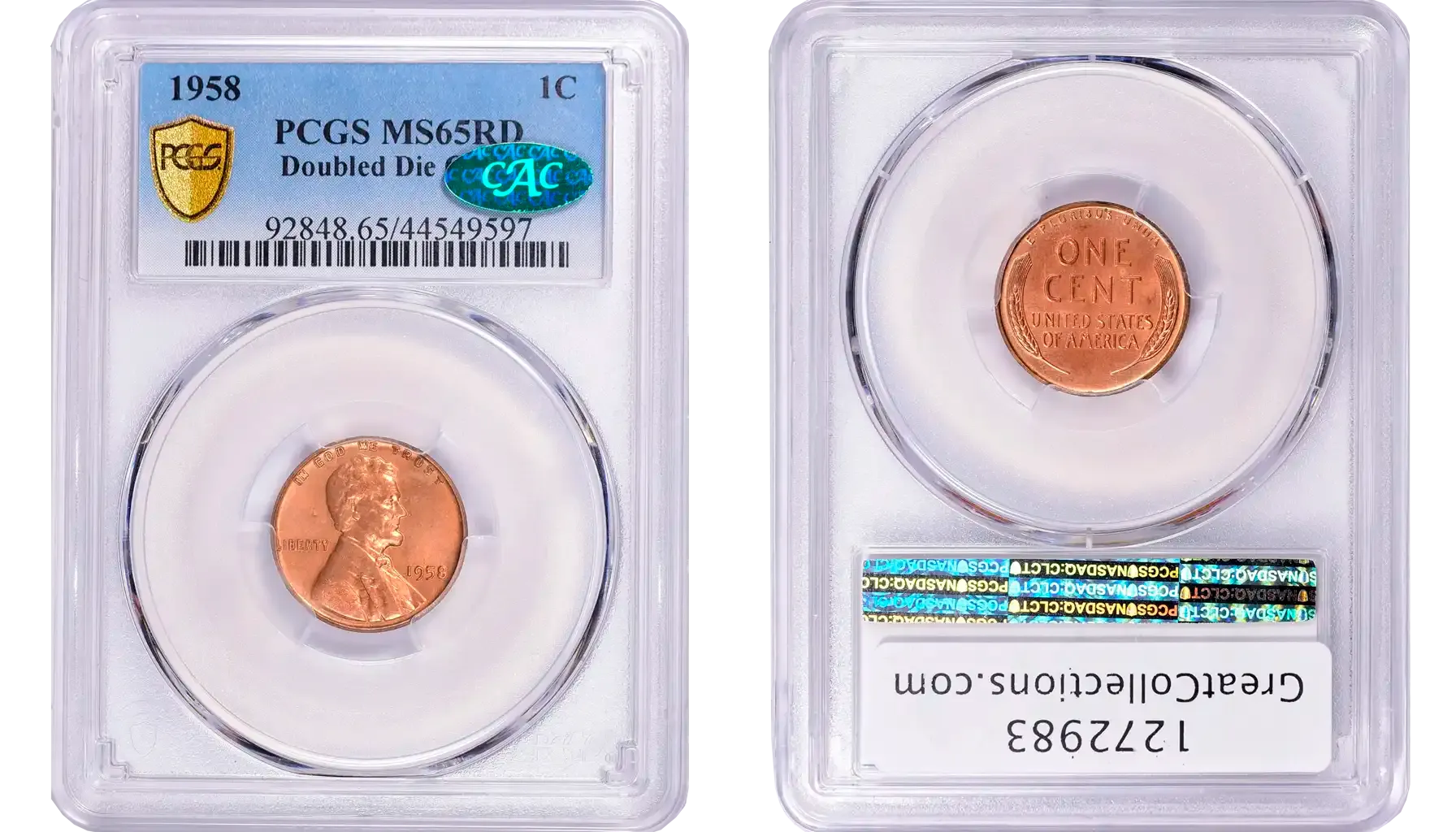
Auction Record: $1,010,000
Place of Doubling: Obverse – heavy doubling in LIBERTY and IN GOD WE TRUST
Degree of Doubling: Extremely strong – very rare; only 3 confirmed examples
The 1958 Lincoln Cent DDO is one of the rarest and most valuable penny errors ever discovered. What makes it truly special is the extreme clarity of the doubling, especially in LIBERTY and IN GOD WE TRUST. Unlike more common examples, this one is nearly flawless in its separation and sharpness, making it a standout piece in numismatic circles.
1972 Double Die Lincoln Cent
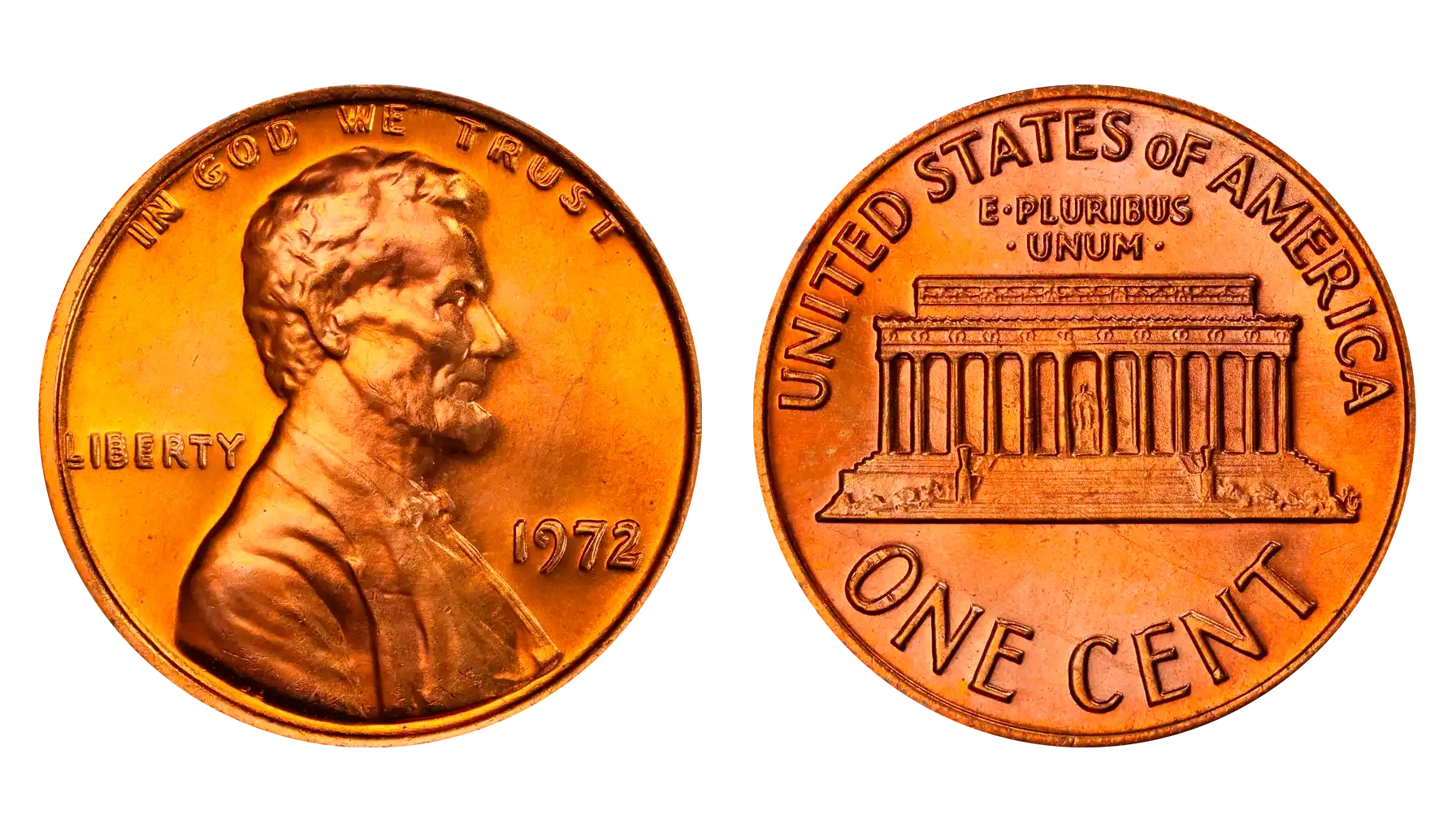
Auction Record: $14,400
Place of Doubling: Obverse – clear doubling on LIBERTY, IN GOD WE TRUST, and the date 1972
Degree of Doubling: Strong – multiple known varieties, but DDO #1 is the most prominent and desirable
Despite the huge mintage of the 1972 Lincoln penny, only a small part of the coins possess this error. This rarity makes them highly desirable to collectors, and they still occasionally turn up in everyday change. Those who know about the existence of the flaw regularly check the change, hoping that they will find this valuable specimen one day.
1983 Double Die Lincoln Cent
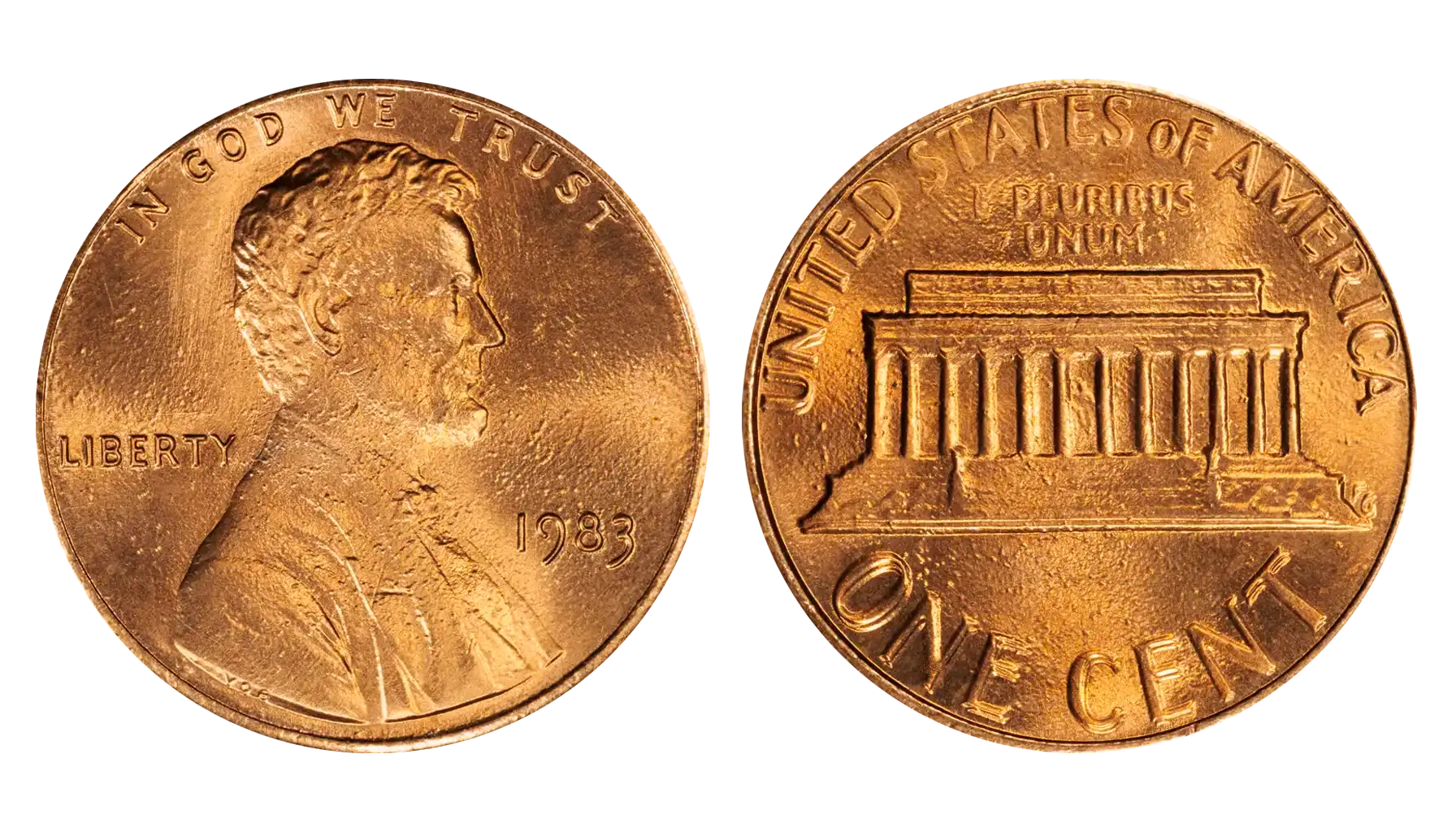
Auction Record: $7,050
Place of Doubling: Reverse – doubling seen in E PLURIBUS UNUM, ONE CENT, and UNITED STATES OF AMERICA
Degree of Doubling: Moderate to strong – often missed by beginners but clearly visible under magnification
The 1983 DDR cent is a lesser-known specimen, but it also has significant value. Unlike its predecessors (which we described above), this cent is known for the doubling on the reverse of the coin, i.e., on the elements “ONE CENT”, “UNITED STATES OF AMERICA”, and “E PLURIBUS UNUM”. The value is lower compared to other double die pennies, but it remains a valuable asset anyway.
Where Can You Find These Coins?
Money changers and ATMs: Ask for change to increase your chances.
Stores and supermarkets: Salespeople often give change without even realizing they have rare coins.
Flea markets and garage sales: Old collections and coins can be found for the price of regular change.
Online platforms and auctions: Sometimes people sell coins without even knowing their real value.
“If you find a double die penny and aren't sure if it's counterfeit, compare it with images of real pennies from the same year on reliable websites like NGC or PGCS.”
– Max Hockley, numismatist
wikiHow
If you manage to find such an instance, feel free to employ digital tools like the Coin ID Scanner app. With the help of the app, you can simply scan a piece and instantly access detailed information, such as its rarity, error type, and current market value. The app will greatly simplify your search and make the process of checking coins more convenient.
Double Die Obverse Meaning in Coin Collecting
A DDO occurs when the design on an obverse appears doubled. This happens due to a misalignment during the minting process, causing the design to strike more than once.
How do collectors care for DDO coins? They use gloves to avoid oils and fingerprints and hold them by the edges. They also prefer to use Mylar flips or airtight capsules for protection. Graded coins should be in protective slabs.
Never clean your coin—this can reduce its value.
The value of a DDO coin depends on:
Rarity: Some DDO pieces, like the 1955 DDO, are very rare.
Condition: Higher-grade ones (MS67 or higher) are more valuable.
Demand: Well-known varieties are in high demand.
Famous Double Die Penny Years Collectors Should Know
Year | Double Die Penny Worth (High Grade) |
1955 | $20,000+ |
1972 | $1,000–$10,000 |
1969-S | $10,000+ |
1983 | $500–$1,500 |
1995 | $500–$1,500 |
1970-S | $500–$1,000 |
1964 | $300–$1,000 |
1984 | $300–$500 |
1998 | $200–$500 |
1971 | $100–$400 |
1982 | $100–$500 |
2000 | $50–$200 |
1971-S | $50–$150 |
1974 | $50–$300 |
1961 | $40–$150 |
1993 | $50–$200 |
1977 | $50–$150 |
1987 | $50–$100 |
1988 | $50–$150 |
2009 | $20–$100 |
Prices can vary because of the grade and specific characteristics. Always check with a professional grader for accurate data.
FAQ
What is a double die on a coin?
A double die occurs when a coin’s design is stamped more than once. It causes certain features to appear doubled or shifted. This usually happens due to a misalignment during the minting process.
What is a doubled die coin worth?
The value depends on the rarity, condition, and severity of the doubling. Common examples might be worth a few hundred dollars, but rare varieties or high-grade specimens can be worth thousands of dollars. The same factors influence the double die penny worth.
Why are these coins valuable?
The misalignment that causes the doubling happens only in a small percentage of coins. That is why these varieties are desirable among collectors.
What's the most famous doubled die coin?
The most famous coin is the 1955 DDO Lincoln cent, known for its doubling on the date and LIBERTY. It is one of the most valuable error coins.
Should I get a doubled die coin certified?
Yes, if you believe you have one, it is a good idea to have it certified by a reputable grading service like PCGS or NGC. Certification ensures the coin’s authenticity and provides a grade, which can increase its value.
What does DDO mean in coins?
The general double die meaning is a coin where the design on the obverse (front) is doubled due to the die being misaligned during the minting process.
How to find double die coins?
Examine the date, LIBERTY, and IN GOD WE TRUST on pennies and other coins for doubling. Use a magnifying glass or microscope to inspect these areas for signs of a second, misaligned strike.
How do I know if I have a DDO/DDR penny?
If you notice doubling on the date, LIBERTY, or IN GOD WE TRUST, you may have it. Use a magnifying tool to confirm the doubling is not just wear or poor strikes.

 Facebook
  X (Twitter)
  Pinterest
  LinkedIn