Contents:
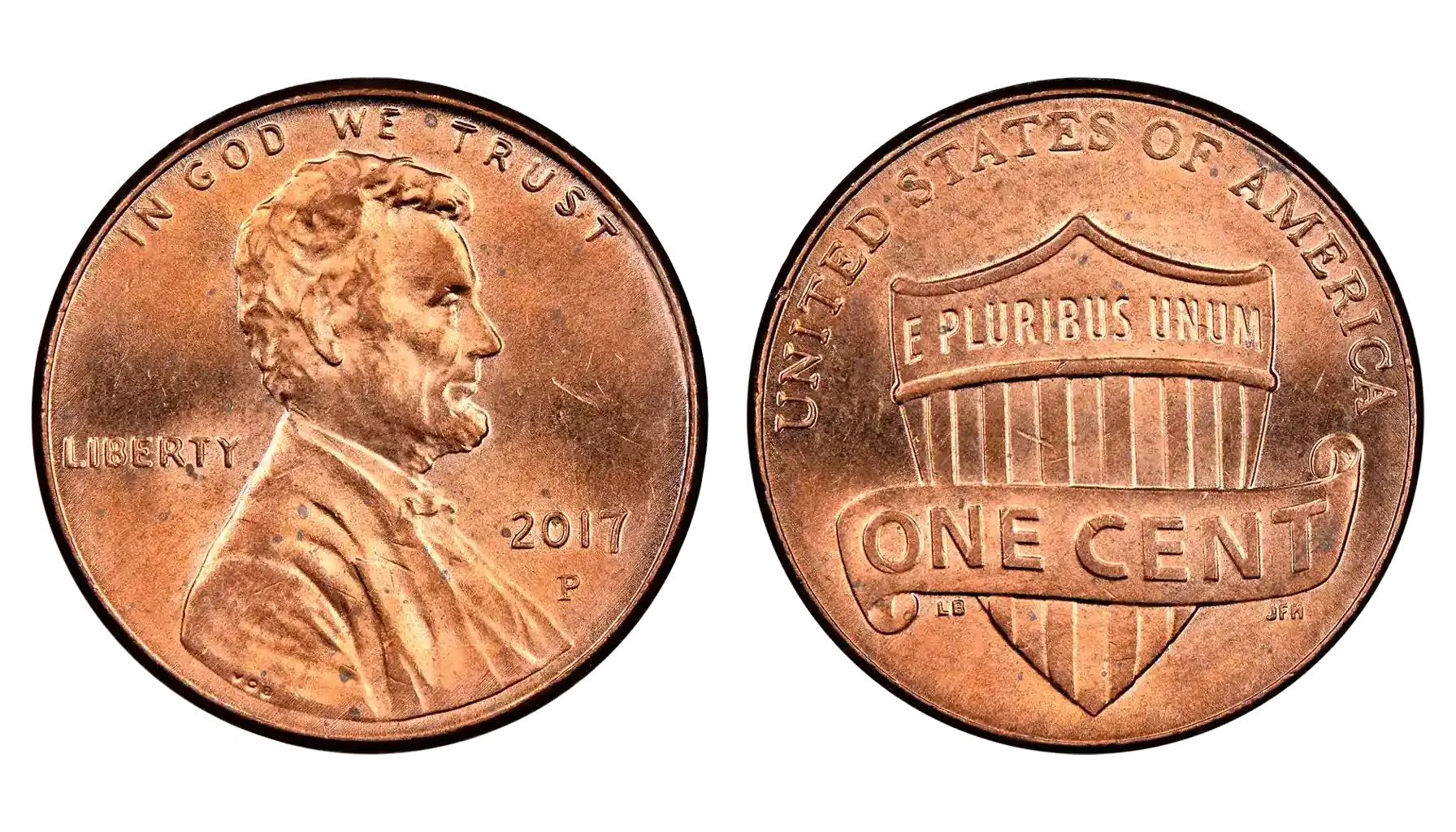
For the Mint’s 225th anniversary, Philadelphia added a tiny “P” under the date, the first (and only) time that’s ever happened on this denomination. Most finds are still worth a cent, sure, but top-end certified Reds and legit mint errors can be pretty valuable.
What you need to know is how to define those coins. For example, some people use a free old coin value checker or read guides about it online, we offer you to do both, and also to visit a specialist to confirm.
After this article you can have deeper reads like Top 25 Most Valuable Pennies to Look For.
Fast facts
The 2017 P penny is the only Lincoln cent from Philadelphia with a “P” under the date, done for the Mint’s 225th anniversary.
Mintage: about 4.36 billion, the piece itself isn’t scarce
2017 penny value (typical): face value in circulation; raw shiny “RD” pieces may cost a bit more
Certified gems (MS67–MS68 Red) and genuine 2017 penny errors is what has much bigger price
2017 penny no mint mark? Re-check the date area, 2017 Philly should show a P; 2018+ went back to no mint mark
Design: Lincoln Shield reverse (2010-present), copper-plated zinc planchet
Quick ID & Specifications
Field | Detail |
Type | 2017-P Lincoln Shield cent (business strike) |
Mint mark | “P” under the date (unique to 2017 for Philly) |
Mintage | 4,361,220,000 |
Weight | 2.5 g |
Diameter | 19.0 mm |
Composition | Copper-plated zinc (≈97.5% Zn core, thin pure Cu plate) |
Edge | Plain |
Designers | Obv: Victor D. Brenner · Rev: Lyndall Bass (design) / Joseph Menna (sculpt) |
Those “guide numbers” you see online can be optimistic; check recent sold listings if you’re buying, and don’t pay top-pop money for mid-pop coins.
2017 P Penny Value by Variety
Practical retail ranges for typical coins 2017 penny with a P would be more valuable in your collection.
Type | Good | Fine | AU | MS (gem Red) | PR |
2017-P (Philadelphia, RD) | $0.01 | $0.01 | $0.25-$1 | $5–$250+ (MS66→MS68RD) | - |
2017-D (Denver, RD) | $0.01 | $0.01 | $0.25-$1 | $5–$150+ | - |
2017-S Proof (DCAM) | - | - | - | - | ~$7 (PR69DCAM), more for PR70 |
Millions of modern proof cents exist in top grades; the 2017 P Lincoln penny in superb Red business strike or an error is more rare to meet.
Errors & Varieties
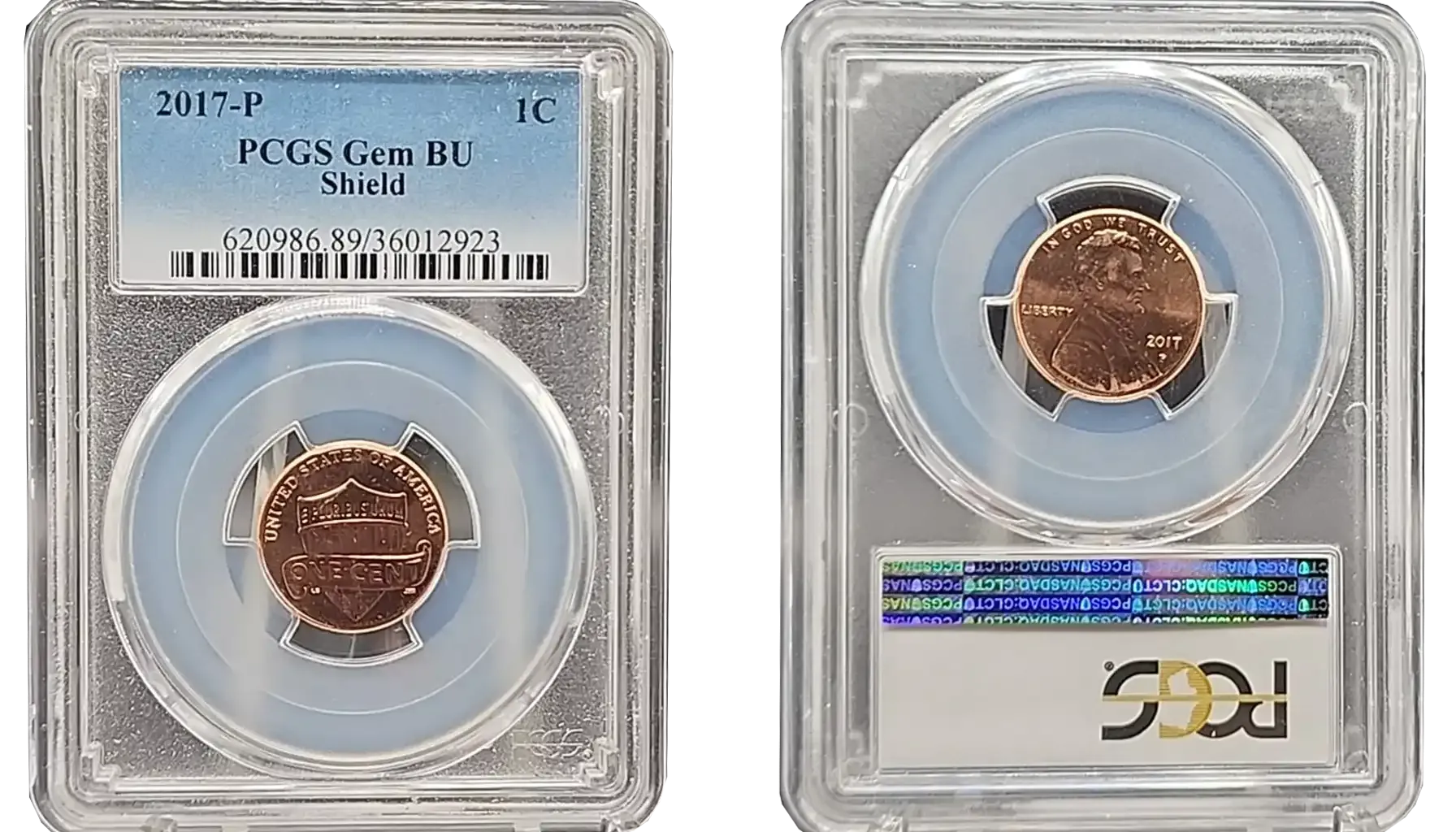
Modern copper-plated zinc can look “weird” after a few years in pockets. It can get bubbles, spots, and stains that aren't mint errors. Stick to these:
Error / Variety | How to spot it | Typical value |
Doubled die (true hub doubling) | Clear split serifs/extra thickness on LIBERTY, IN GOD WE TRUST, date, or shield elements | $50–$150+ (strength/grade) |
Die chips & cuds | Raised blobs in letters/portrait; full rim cuds are bold | $2–$15 (chips), $25–$150+ (cuds) |
Off-center strikes | Design shifted; date visible boosts price | $20–$60+ (higher with larger % off) |
Struck-throughs | Missing/smeared letters from grease/fiber | $10–$50 (eye appeal matters) |
Machine doubling / plating blisters / PMD | Flat, shelf-like doubling; bubbles; scratches/dings | Little to none |
If you’re new to errors and want a photo-heavy primer on what real mistakes look like (and what they sell for), check Coins Go Wrong: 20 Error Pennies That Could Make You Rich.
Start with fresher sources. The best candidates usually come from 2017 mint sets and original bank-wrapped rolls. Circulated examples from pocket change tend to be nicked up, spotted, or dull. Unopened rolls and mint packaging give you the highest chance of seeing that glowing “fresh strike” look
Color first. Collectors prize “RD” (full red) examples: bright, fiery copper tones that look almost new. Everyone looking for copper darkens to brown. If you see carbon spots, streaks, or even a single dark fleck, move on. Color is a make-or-break factor in modern cents
Check the luster. Tip the coin under a desk lamp or flashlight. A quality piece shows cartwheel luster: smooth, uninterrupted circles of light spinning across the surface. Breaks, dull patches, or haze kill eye appeal
Know the high-hit zones. Look closely at Lincoln’s cheek and jaw, the open fields, and the sharp corners of the Union Shield. These spots pick up contact marks easily. Even one obvious gouge in the open field can hold a coin back from MS67
Evaluate strike quality. On the reverse, read the scroll: ONE CENT should be crisp, with no mushiness. The bar across the top of the shield should meet the vertical stripes cleanly. Weakly struck letters or blurry details mean less demand from picky collectors
Watch for zinc. Since 1982, cents have been copper-plated zinc. That means plating bubbles, tiny pinholes, or streaky color can appear. These aren’t mint errors, but flaws, and they drag value down quickly
Handle and store correctly. Once you’ve picked a candidate, don’t ruin it. Use cotton gloves or hold coins only by the rims. Slip them into inert holders (like Mylar flips or capsules) and store in a cool, low-humidity environment. Zinc reacts badly with moisture, so a damp basement is a recipe for spots and rot
Not in 2017, but learning design diagnostics on modern cents is useful, see the “Wide AM” discussion for 2000 issues.
Grading and Certification
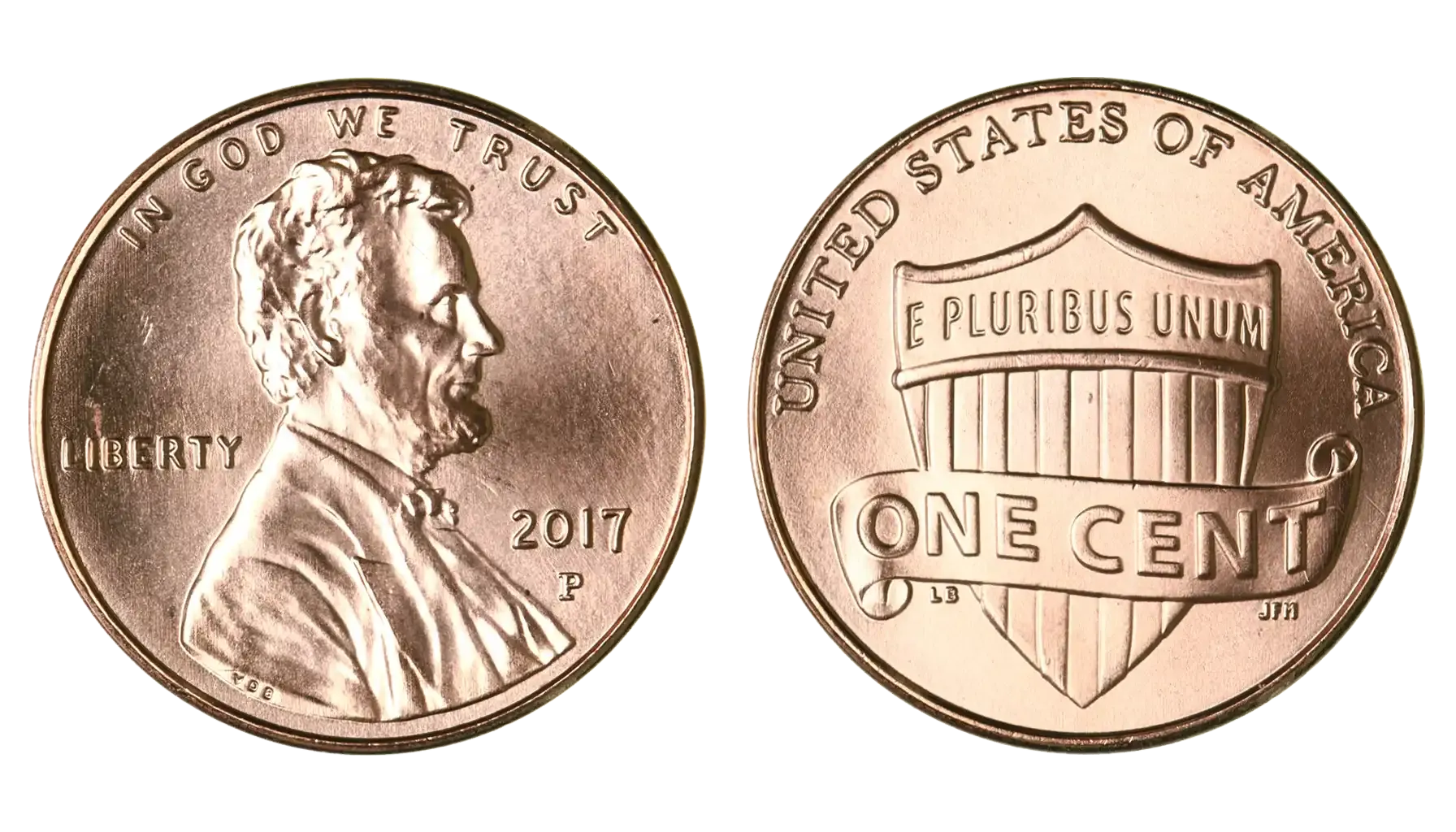
Business strikes in MS67RD 2017 Lincoln penny sell regularly; MS67+RD can justify fees; MS68RD is if the coin is truly flawless. Clearly diagnostic errors (bold cud, big off-center, strong doubled die) also warrant submission.
When to hold off:
Average uncirculated pieces. If the surfaces show a few contact marks, the color is leaning toward red-brown instead of full red, or there are scattered carbon specks, the grade ceiling is limited. At best you’re looking at a mid-level Mint State, which sells for less than it costs to slab. The same goes for examples with hazy luster or uneven toning, they won’t excite buyers, even in a holder
Tiny imperfections. Small die chips tucked into letters, little raised dots along the devices, or the flat, shelf-like look of machine doubling can be fun to spot under magnification. They make good teaching pieces, but they’re not the kind of features that third-party grading companies recognize as value drivers. Submitting them adds expense without increasing resale
If you’re hesitating, you probably already know the answer. Grading makes sense only for razor-sharp, spot-free red examples with a real shot at MS67 or higher, or for unmistakable mint errors
Prep before you ship:
Never “improve” the coin: no wipes, dips, or rubs
Photograph both sides; note the variety/error on your submission form; pick economy tiers to keep costs sane
Think like a seller: keep your total cost basis (coin + shipping + grading + selling fees) below realistic sale price for that grade
Final Thoughts
The 2017 penny worth a lot if it’s first and only “P” for Philly on a cent, flawless Reds and real mint errors. Most finds are still face value, so aim high. Hunt clean surfaces, crisp strikes, and unmistakable errors, protect them well.
FAQs
How much is a 2017-P penny worth?
Circulated: $0.01. Nice raw red: $1-$2. Certified MS67RD: $10–$20; MS67+RD: ~$30-$40; a true MS68RD can land ~$200-$300 depending on timing.
Is the 2017 p mint mark penny penny rare?
No. Mintage is ~4.36 billion. The one-year “P” mint mark is neat, but scarcity is in top-pop grades and strong errors.
Where’s the 2017 penny P mint mark located?
Under the date on the obverse (front). It’s tiny, use a loupe.
I have a 2017 penny with no mint mark—what gives?
Double-check with good light. Philadelphia used “P” only in 2017; the series returned to no mint mark in 2018.
Best 2017 penny errors to look for?
True doubled dies, bold cuds, clean off-centers with the date showing, and dramatic struck-throughs.
How do I tell machine doubling from a doubled die?
Machine doubling looks flat and shelflike; true doubled dies show split serifs/extra thickness that follows the design. When in doubt, compare to known examples or ask an error specialist.
Should I grade a 2017 P Lincoln penny?
Yes, if it’s a realistic MS67+ to MS68 Red candidate or unambiguous error. Otherwise, probably not.
Do 2017 cents spot easily?
They can. Copper-plated zinc is unforgiving. Store in inert holders, cool/dry environment, and handle by the rims.
Are 2017-S proofs valuable?
They’re common in PR69; expect modest premiums. PR70s bring more but still remain affordable.

 Facebook
  X (Twitter)
  Pinterest
  LinkedIn