Contents:
When the 50 State Quarters Program ended in 2008, the story felt to be finished—but it wasn’t complete. One year later, six additional designs appeared to recognize places that had long stood outside the state framework: Washington, D.C., and the U.S. territories.
2009 Quarters Overview: States and US Territories
“The 2009 District of Columbia and U.S. Territories Quarters Program is a one–year initiative authorized by Public Law 110–161.”
— United States Mint press release
May 13, 2009
When Hawaii closed the State Quarters Program, Washington, D.C., and the U.S. territories still had no representation on circulating quarters. Rather than reopening the state program or expanding it indefinitely, Congress authorized a single, self-contained follow-up.
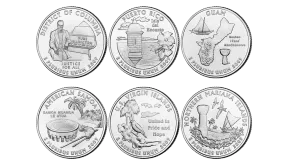
Six quarters were issued in total. One represents the District of Columbia, followed by five U.S. territories: Puerto Rico, Guam, American Samoa, the U.S. Virgin Islands, and the Northern Mariana Islands. All were released into general circulation and carried a standard quarter-dollar face value.
Designs were developed in cooperation with local governments and cultural advisors. Instead of federal monuments, each coin brings imagery of regional history, traditions, or well-known cultural symbols. This gave the series a distinctly local character, even within a national coin program.
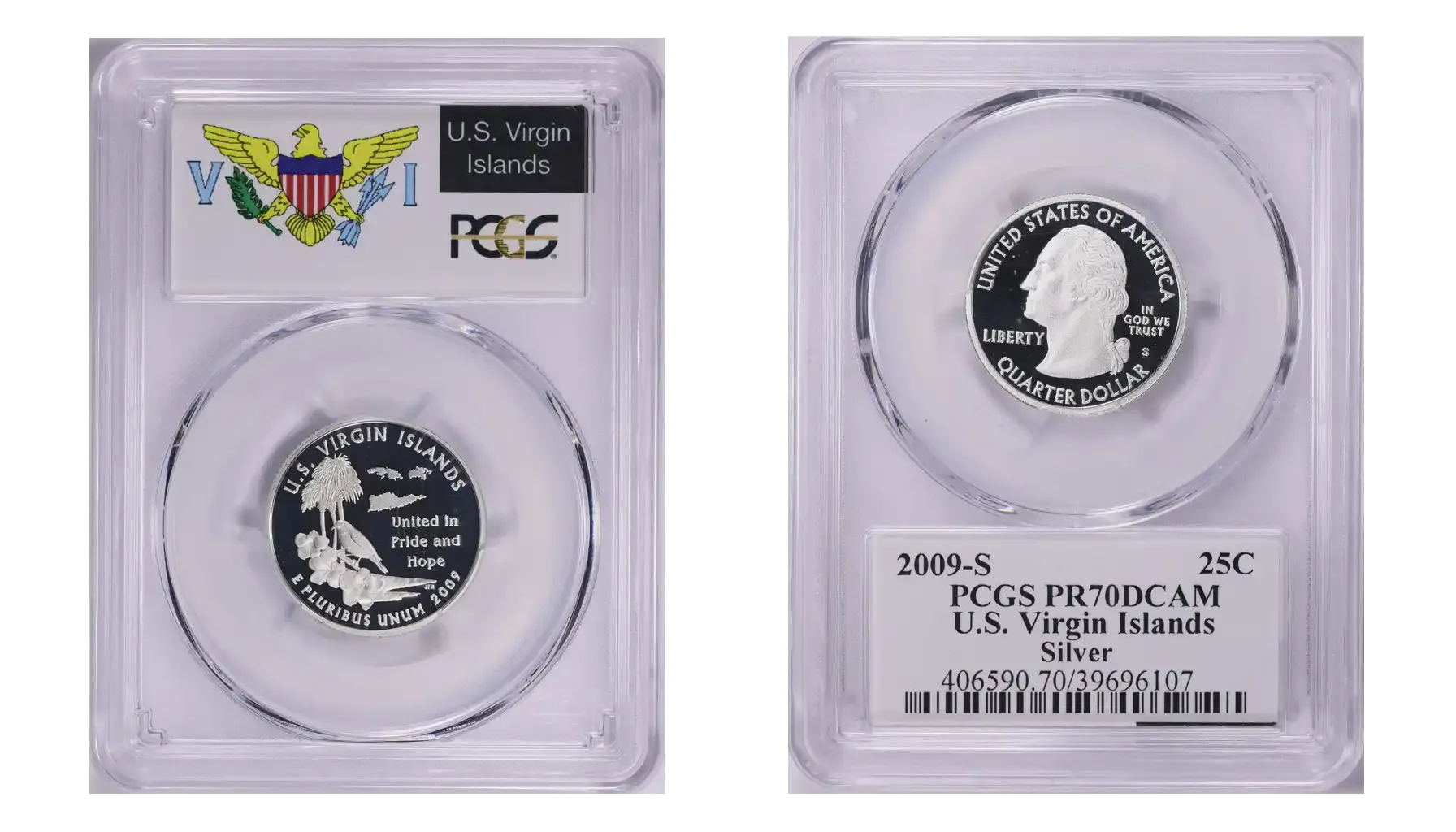
Technically, the coins match regular modern quarters: copper-nickel clad composition, reeded edges, and production at the Philadelphia and Denver mints. Proof examples were also struck. They were issued in silver.
Official Framework
Program name: District of Columbia and U.S. Territories Quarters Program
Issuing authority: United States Mint
Authorization: U.S. Congress, as a direct continuation of the 50 State Quarters initiative
Release year: 2009 only
Number of designs: 6 total
Face value: 25 cents (quarter dollar)
2009 Quarters List
Issue schedule: Sequential releases throughout 2009
Order of release:
All designs were released into general circulation, not as commemoratives with premiums.
Technical Specifications
Composition: Copper-nickel clad
Outer layers: 75% copper, 25% nickel
Core: pure copper
Weight: 5.67 g
Diameter: 24.26 mm
Edge: Reeded
Mint marks: 2009 Territorial Quarters Philadelphia and Denver (P and D) + S Proof.
Identifying the 2009 State and Territory Quarters
The 2009 quarters fall into two closely related but distinct groups: State Quarters and DC and U.S. Territories Quarters. Correct identification starts with understanding this division.
By 2009, the original 50 State Quarters Program had already concluded. All official U.S. states were completed between 1999 and 2008. As a result, there is no 2009 State Quarters list. Any piece dated 2009 does not represent a U.S. state.
Instead, all 2009 designs belong to the District of Columbia and U.S. Territories Quarters Program, issued by the United States Mint as a one-year continuation. There are six designs connected with a non-state U.S. jurisdiction.
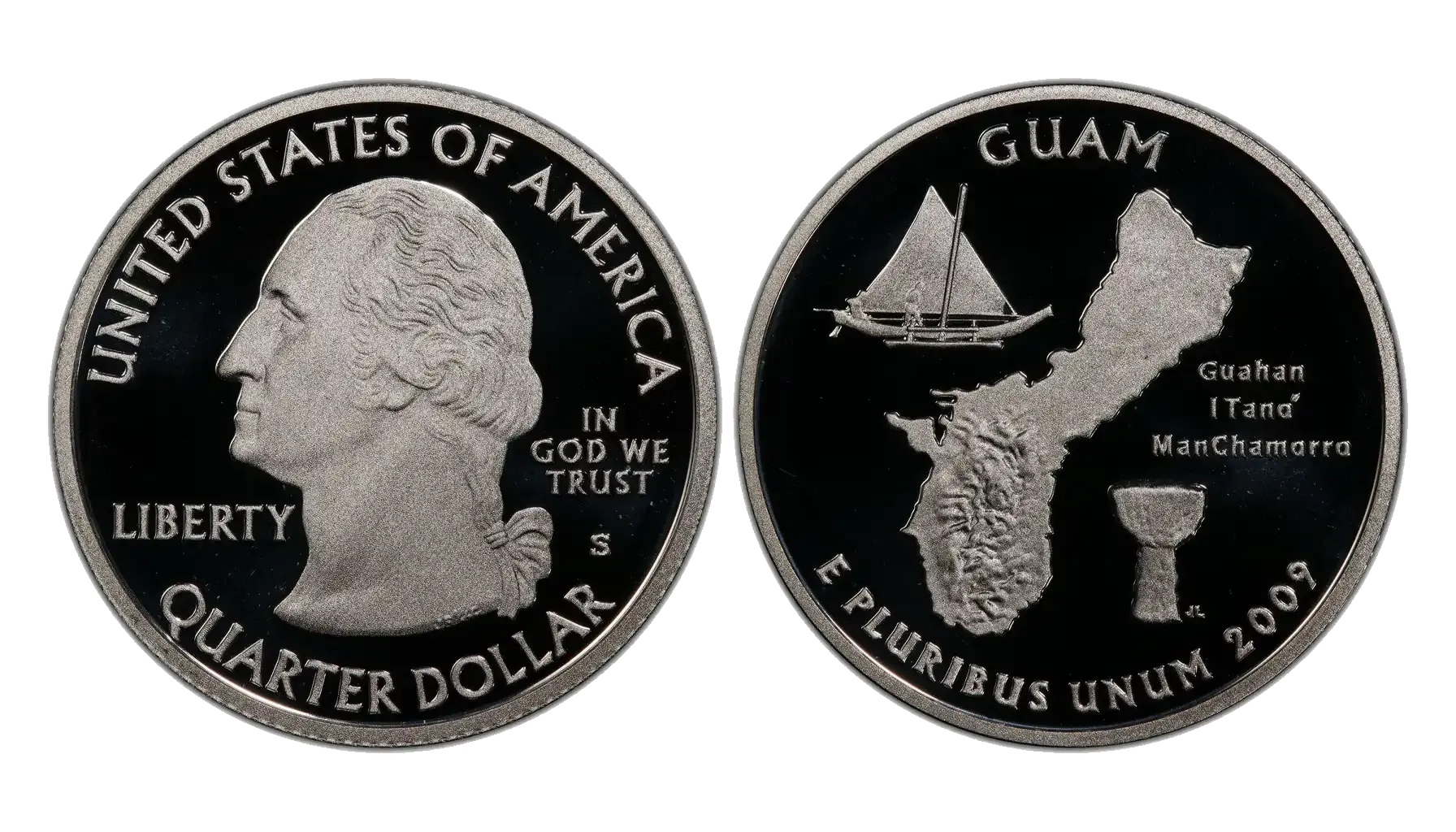
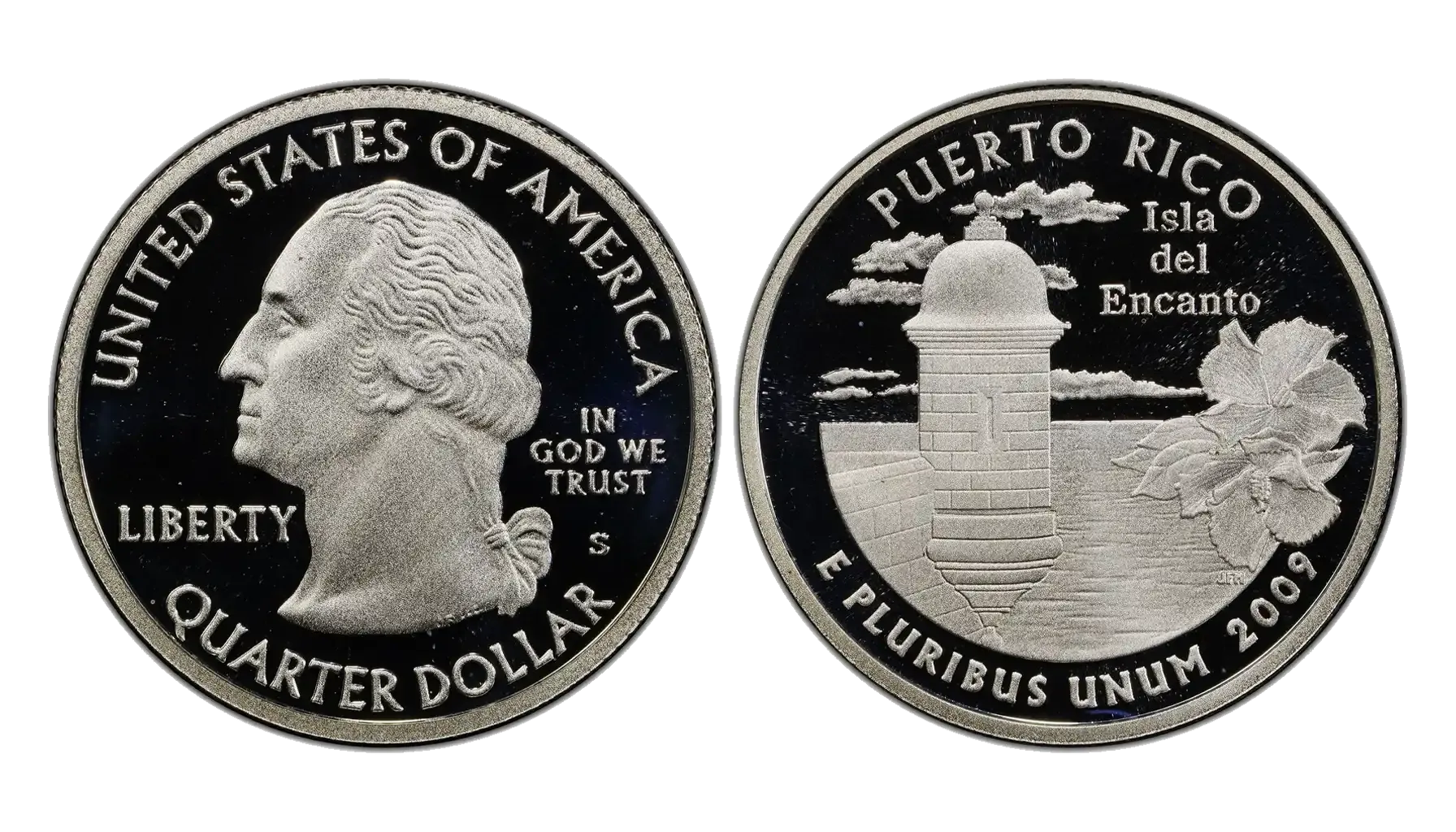
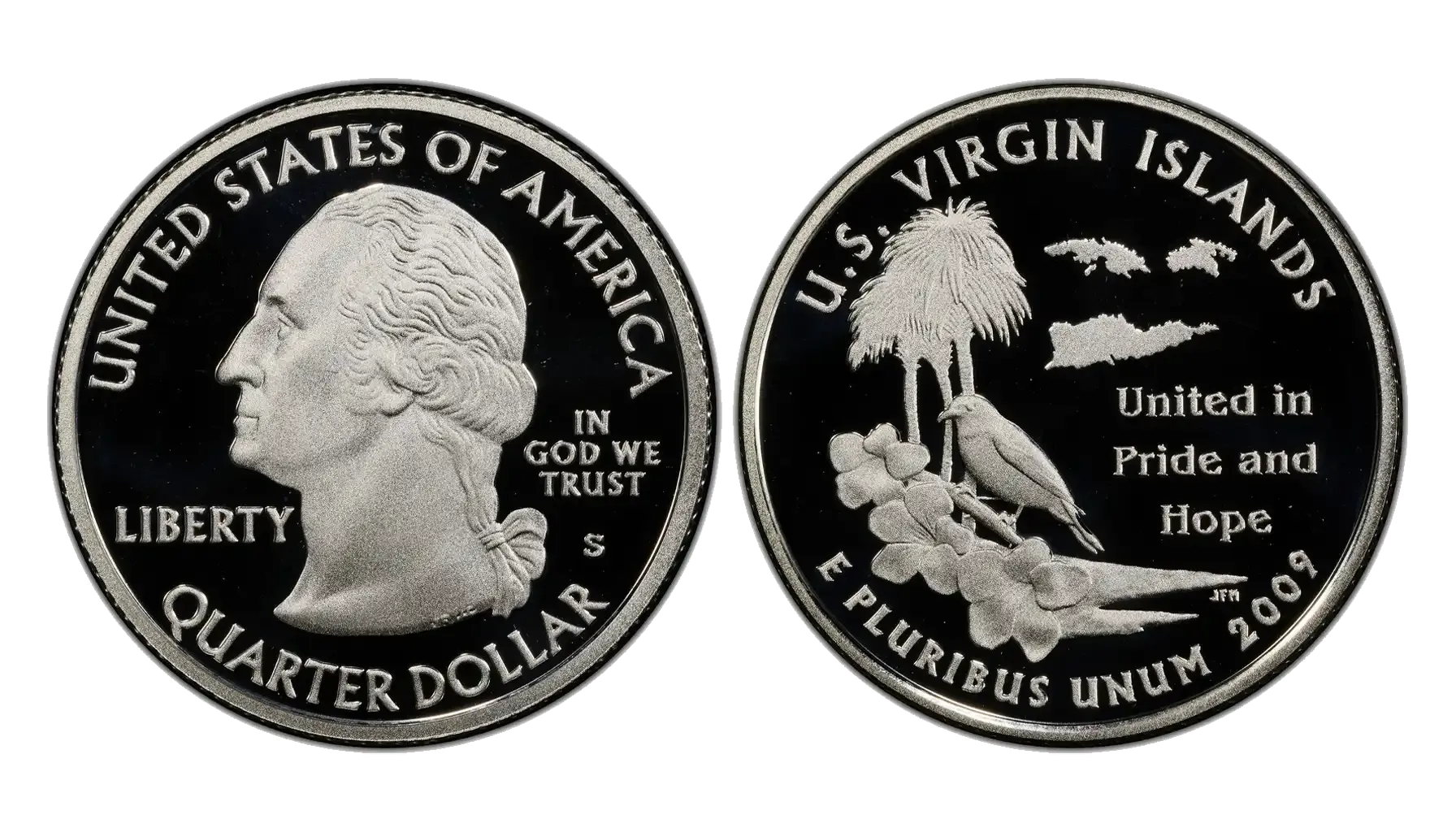
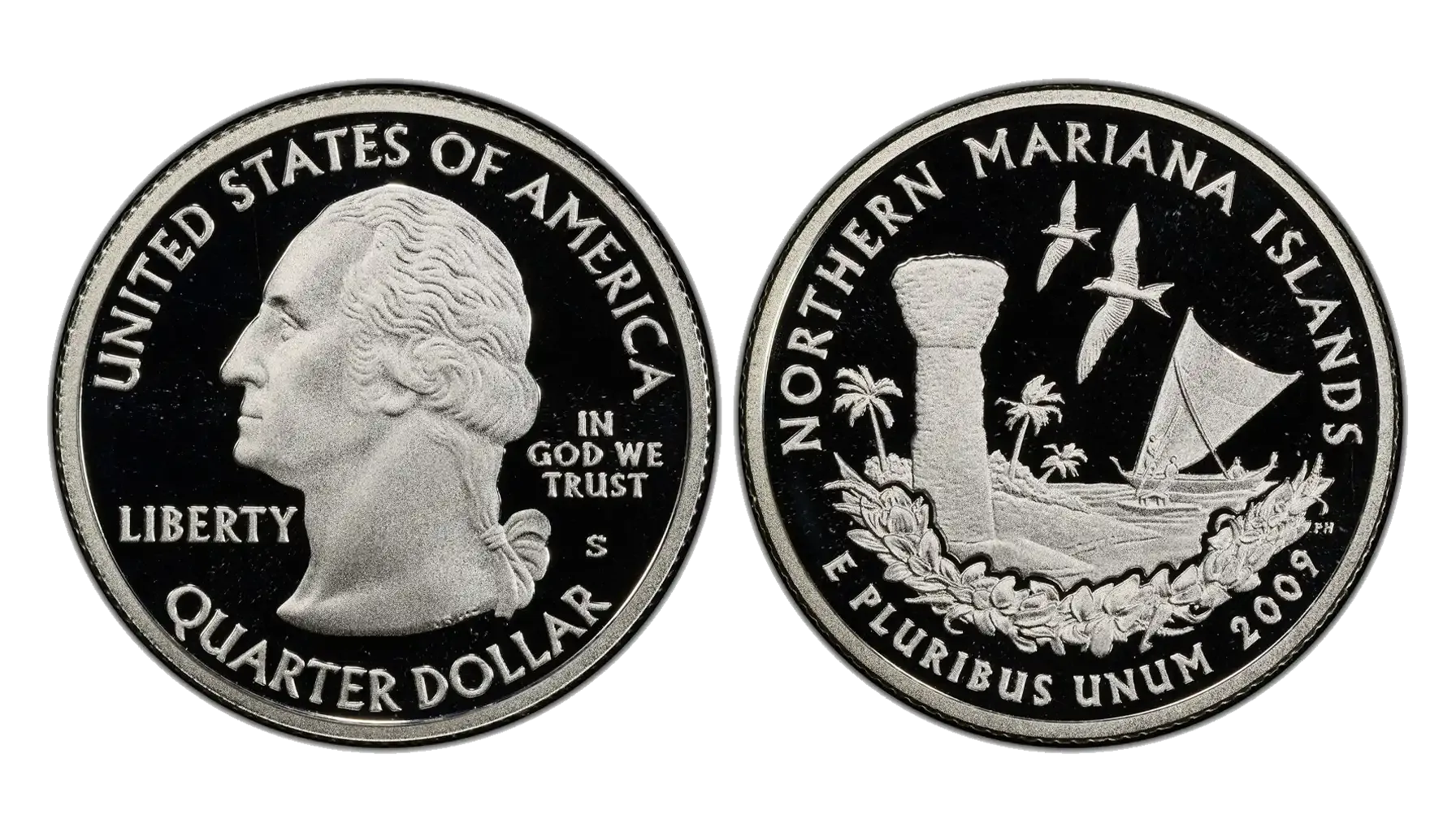
To identify 2009 US Territories Quarters correctly, check the reverse design rather than the date alone. The designs feature:
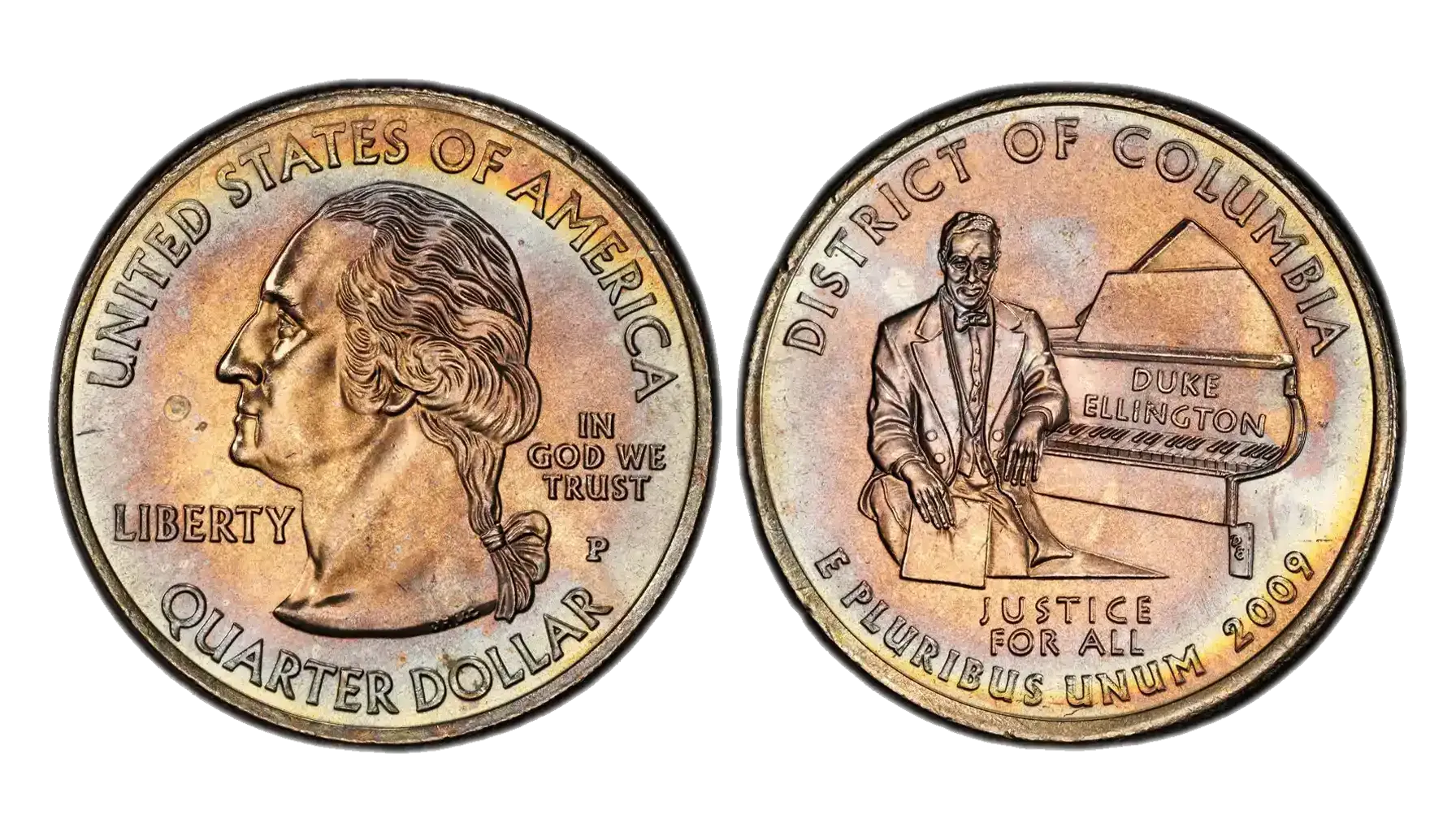
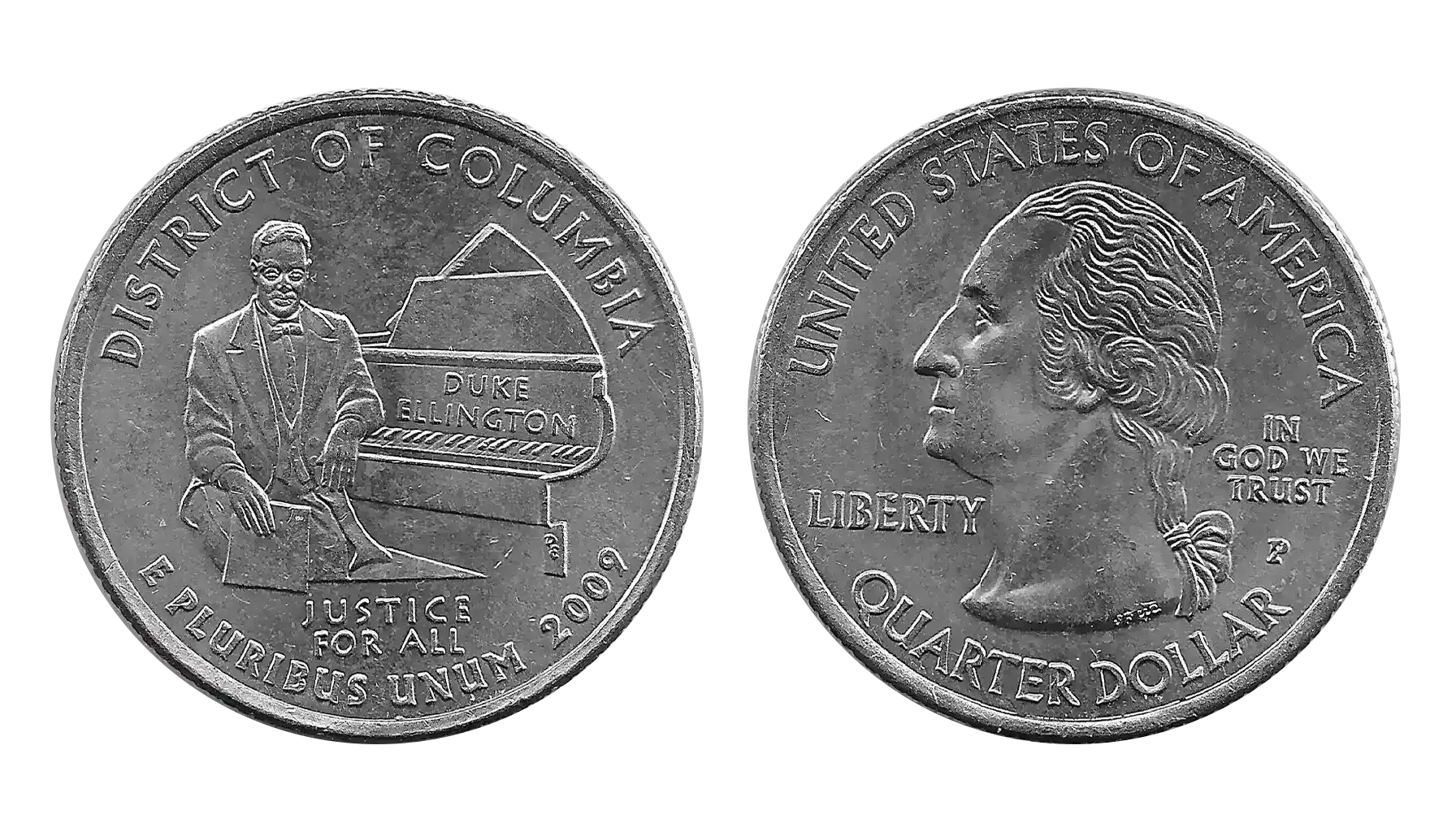
District of Columbia — Duke Ellington seated at a piano
Puerto Rico — Fort San Felipe del Morro
Guam — Latte stone with a flying bird
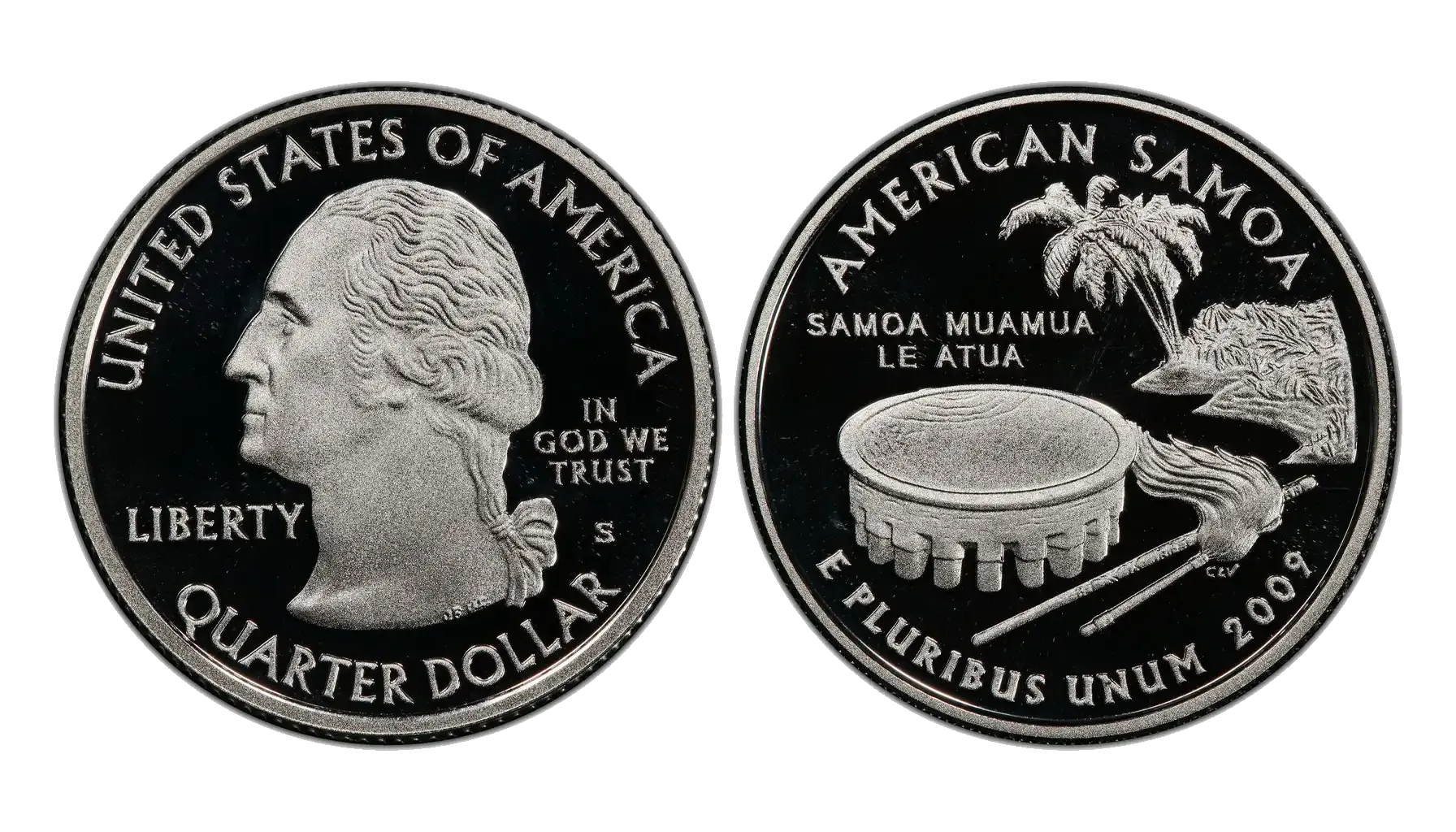
American Samoa — Traditional ava ceremony
U.S. Virgin Islands — Yellow cedar tree with the motto “United in Pride and Hope”
Northern Mariana Islands — Latte stone and Carolinian canoe
All coins share standard modern quarter specifications: copper-nickel clad composition, reeded edge, and mint marks from Philadelphia (P) or Denver (D). Proof versions exist in silver.
A simple rule: If a quarter is dated 2009 and does not show a state name, it belongs to the DC and U.S. Territories series.
Modern Solutions
Coin ID Scanner identifies each coin and its basic details from a photo. For 2009 US quarters, this is usually enough to confirm whether the coin belongs to the DC and U.S. Territories Quarters Program.
With a single photo, the app can:
Recognize the coin as a 2009 quarter
Identify the specific design (District of Columbia, Puerto Rico, Guam, etc.)
Show the official coin name
Provide technical specs (composition, weight, diameter, edge)
Display a general value range for the normal issue
Let you save the coin in a digital collection

Mint Marks and Varieties of 2009 Quarters
Mint Marks
2009 quarters were struck at three U.S. mints, each with a distinct role:
P (Philadelphia) — circulation strikes
D (Denver) — circulation strikes
S (San Francisco) — proof strikes only
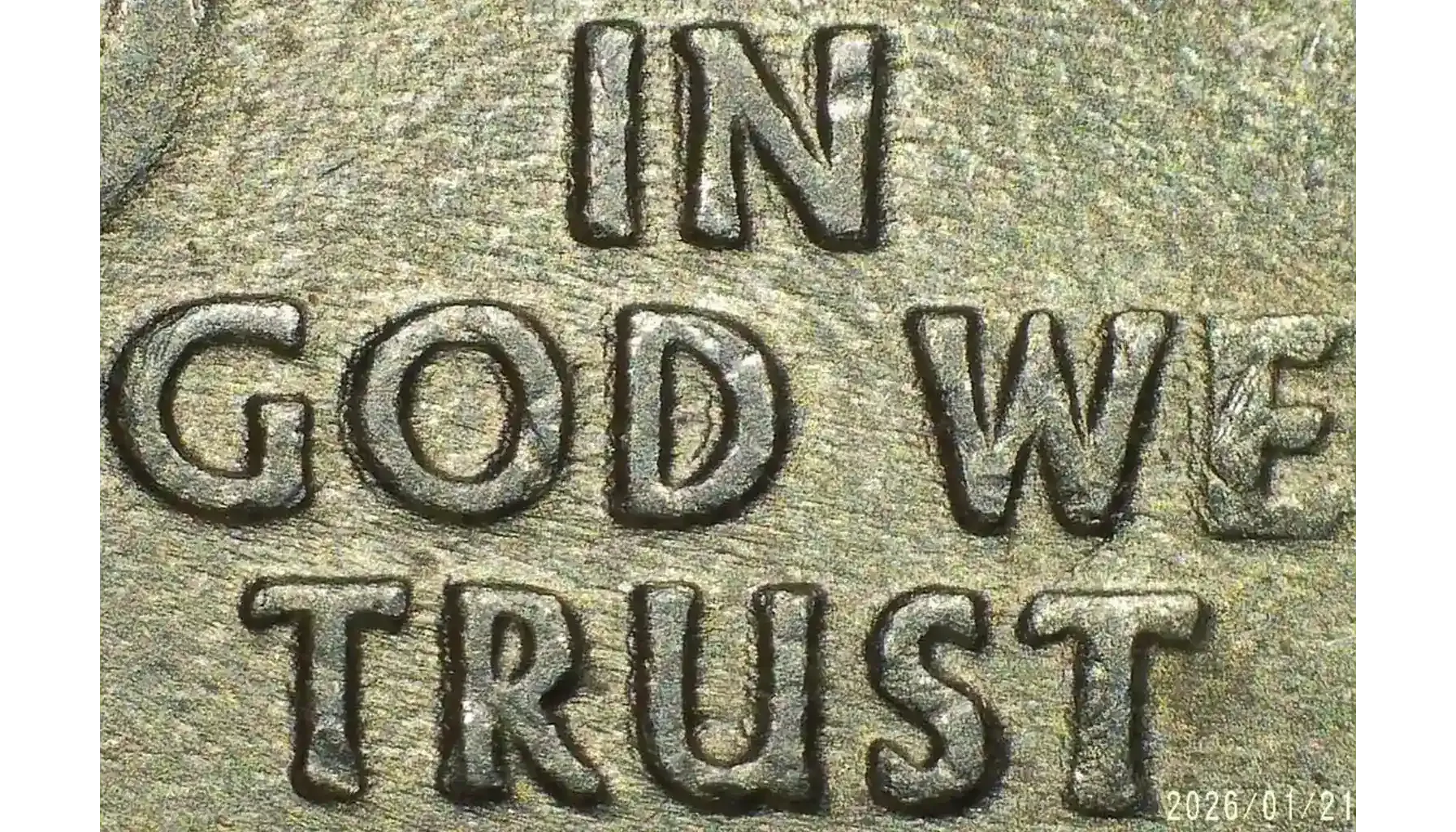
The mint mark is on the obverse below the motto IN GOD WE TRUST.
Varieties
Unlike earlier decades, 2009 Territory Quarters have no officially recognized design varieties. All six designs were struck from single approved hubs.
What collectors may encounter instead are:
Minor die chips or die cracks
Weak strikes on high points
Misaligned dies
Clipped or off-center planchets
These are considered mint errors, not varieties, and values depend entirely on visibility and severity rather than the quarter’s design.
Common Myths and Misconceptions
Short-lived programs often generate misinformation. The 2009 quarters are no exception.
“Are 2009 quarters rare?”
They are not. While mintages were lower than early State Quarters, production was still high. Most circulated examples remain common, and availability is not limited.
“Some states repeated in 2009”
This never happened. No U.S. State Quarters 2009 exist. Every piece dated 2009 belongs exclusively to the DC and U.S. Territories program.
Common Errors in 2009 State and Territory Quarters
Off-center strikes
Coins struck when the planchet was not fully seated. Light offsets (5–10%) are more common and modest in value. Larger offsets increase collectibility, especially if the date remains visible.
Clipped planchets
Curved or straight-edge clips caused during blanking. Genuine clips show metal flow toward the missing area and reduced weight.
Broadstrikes
Coins struck without a fully engaged collar, producing an expanded diameter and flattened rim. These are easier to recognize and popular with new collectors.
Die cracks and die chips
Raised lines or blobs of metal caused by damaged dies. Small examples are common; dramatic retained cud–style breaks are rare for this year.
Weak or uneven strikes
Soft detail on design elements such as lettering or central motifs. These are typically low-premium unless paired with another error.
Errors That Are Often Misidentified
Wear mistaken for errors on circulated coins
Plating bubbles (not applicable; 2009 quarters are not plated)
Environmental damage misread as die damage
Grease-masked strikes, which reduce detail but add little value
2009 Quarters Value by State, Territory, and Condition
The prices below are general ranges based on recent price guides and market listings. Are 2009 quarters worth anything? Most circulated pieces are worth face value ($0.25) or modest amounts unless in high grade or proof condition. Proof and rare error examples can cost more.
Design | Circulated (VG–XF) | Uncirculated (MS60–MS63) | High Unc (MS65+) | Proof Clad (S) |
District of Columbia | ~$0.25–$0.40 | ~$1–$3 | ~$4–$9 | ~$1.50–$30 |
Puerto Rico | ~$0.25–$0.40 | ~$1–$3 | ~$4–$9 | ~$1.50–$32 |
Guam | ~$0.25–$0.40 | ~$1–$3 | ~$4–$9 | ~$1.50–$30 |
American Samoa | ~$0.25–$0.40 | ~$1–$3 | ~$4–$9 | ~$1.50–$30 |
U.S. Virgin Islands | ~$0.25–$0.40 | ~$1–$3 | ~$4–$9 | ~$1.50–$30 |
Northern Mariana Islands | ~$0.25–$0.40 | ~$1–$3 | ~$4–$9 | ~$1.50–$32 |
Collector Tips and Where to Buy 2009 Quarters
Know what matters
Most circulated examples trade at or near face value. Condition is the key driver. Coins with clean surfaces, sharp rims, and minimal contact marks are worth setting aside.
Focus on sets
A basic set includes:
6 designs × P and D mint marks (12 coins total)
Optional: S-mint proof versions for each design
Don’t overpay for “rare” claims
There are no major varieties for 2009 quarters worth money. Be cautious with listings using terms like “rare” or “low mintage” unless the coin is certified in a high grade or shows a genuine mint error.
Check before storing
Use tools like Coin ID Scanner to confirm the issue before adding it to albums or flips. It helps avoid mixing territory quarters with state or America the Beautiful issues.
Protect high-grade coins
Uncirculated and proof coins should be stored in capsules, archival flips, or original Mint packaging. Avoid PVC holders.
Separate Pages vs. Combined Albums
Experienced collectors usually separate these coins from State Quarters. Although they follow the state series chronologically, they do not belong to it conceptually. Best practices include:
A dedicated album page titled DC and U.S. Territories Quarters (2009)
Placement after the 50 State Quarters and before America the Beautiful quarters
Avoiding mixed “1999–2009 State Quarters” pages, which are technically incorrect
One of the most common errors is labeling these coins as “state quarters.” To avoid confusion:
Use “DC & U.S. Territories”, not “State”
List each territory by name, not abbreviations
Include the program year (2009) clearly on the page or flip
Clear labeling prevents future misidentification, especially when collections are inherited or sold.
Digital Cataloging vs. Physical Albums
Many collectors use both systems together:
Physical albums for display and preservation
Digital catalogs for tracking condition, duplicates, and notes
Digital tools are especially useful for confirming designs and organizing collections before placing coins into albums. Physical albums remain the preferred option for long-term presentation.
Where to Buy 2009 Quarters
Why are 2009 quarters hard to find? They were produced during the 2008–2009 financial crisis, when coin demand collapsed. Banks ordered fewer coins, many quarters stayed in Federal Reserve storage or Mint rolls, and the designs were issued for one year only. Early public hoarding further reduced circulation.
U.S. Mint products (secondary market)
Original proof sets and rolls are no longer sold by the Mint but are widely available unopened. These are ideal for collectors seeking uniform quality.
Local coin shops
Often the best option for:
Inspecting condition in hand
Buying single high-grade examples
Avoiding shipping costs
Online marketplaces
Useful for completing sets or finding proofs, but:
Compare multiple listings
Watch for stock photos
Check seller feedback carefully
Coin shows and club meetings
Good sources for bulk deals, duplicates, and face-value upgrades. Many collectors trade these quarters casually.
Roll of quarters
Still possible, especially with older bank stock, but success rates are declining. Expect mostly circulated coins.
Organizational Clarity
Misidentification is one of the most common issues surrounding US quarters 2009. They are frequently grouped with state quarters or confused with later programs.
Once properly identified, the coins fit cleanly into albums, databases, and collections without overlap or ambiguity.

 Facebook
  X (Twitter)
  Pinterest
  LinkedIn