Contents:
1959 was a very special year. A penny, i.e., a relatively stable, classic denomination became the symbol of a new era of American coinage. That year, the Lincoln penny, the founding piece of the US currency, was finally redesigned, shifting from the prominent Wheat design to a representation of the Lincoln Memorial on the reverse. Nevertheless, more details should be mentioned about this peculiar coin.
So, why is this specific cent so important, and how much is a 1959 penny worth? Delve into the historical background of the 1959 pennies, learn more about their main characteristics so as to know how to identify these coins on the spot, and explore their value should you seek them out.
A Penny or a Lincoln Cent: A Bit of History
Since its debut in 1909, the penny, officially known as the Lincoln Cent thanks to its appearance, took the center of the American numismatic stage. A renowned sculptor Victor David Brenner created the coin to mark the 100th anniversary of Abraham Lincoln's birth. With two wheat stalks on the reverse and an image of the 16th president on the front, it soon came to represent the nation's reverence for Lincoln's legacy.
For almost 50 years, the Wheat Reverse penny served as the standard form of coinage, beloved for its simple yet meaningful design.
The US Mint, however, made the decision to redesign the penny in the late 1950s (a few years before the 1969 Penny was minted), in response to a rising demand for a more contemporary appearance.
In addition to commemorating Lincoln's legacy, this alteration would mark his connection to the development of the country, and this is how the Lincoln Memorial design appeared.
Factors 1959 Lincoln Memorial Penny Value
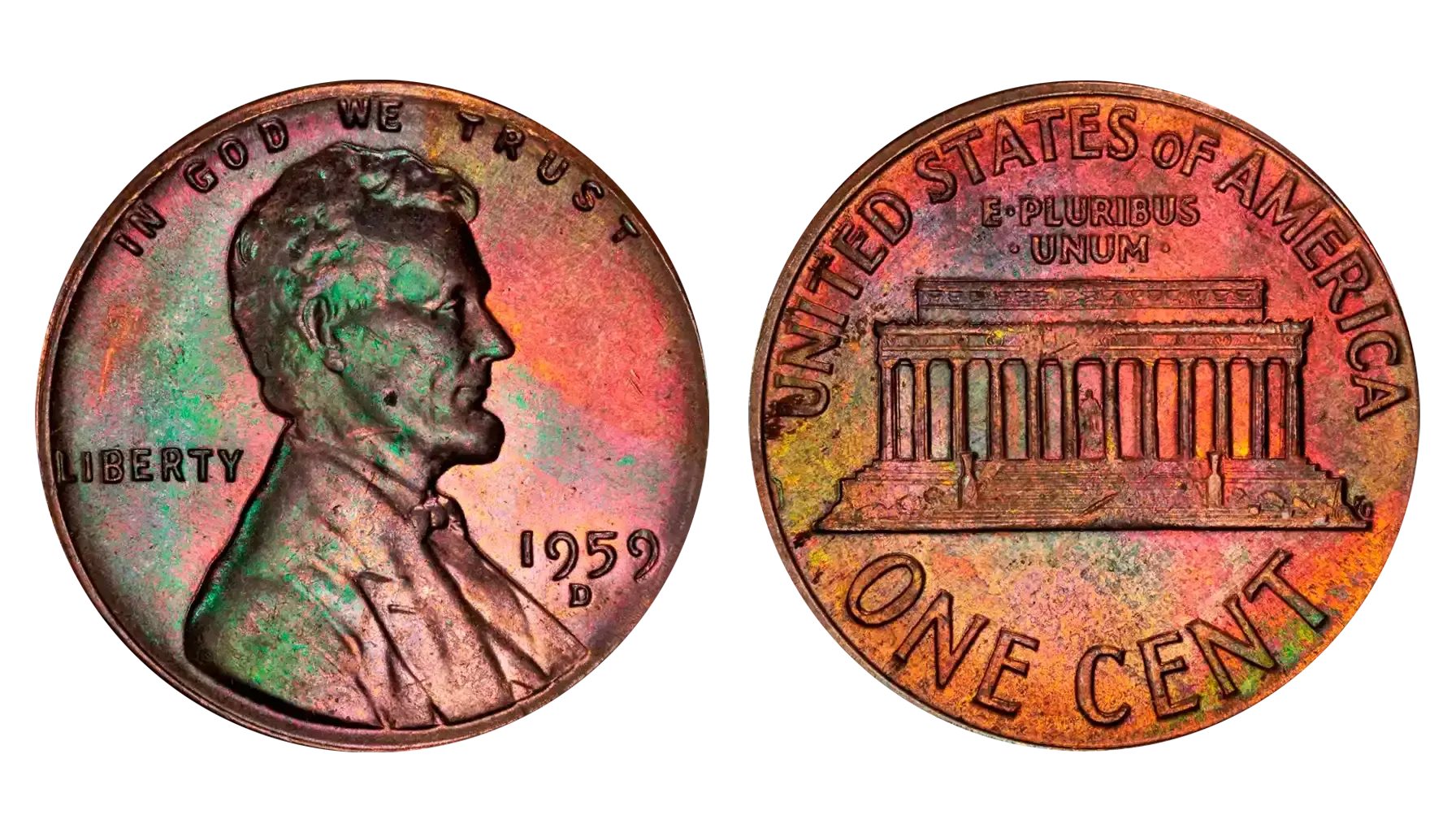
Like any other coin, the 1959 has its own distinctive features that define its position in the numismatic market. All in all, let us take a look at what may distinguish this coin from other creations.
Design Details
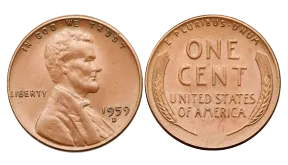
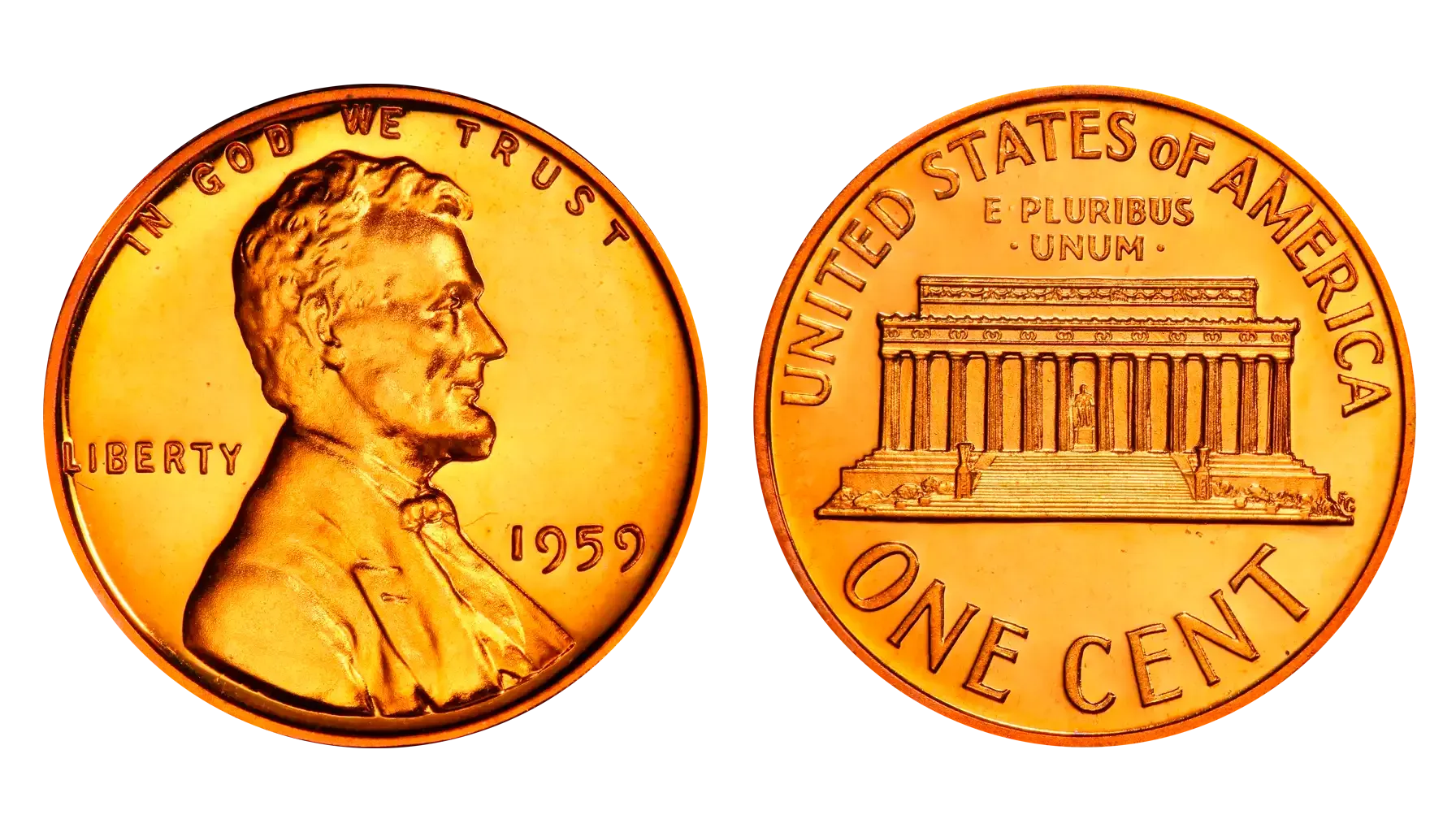
Obverse: As we have mentioned before, Victor David Brenner's well-known image of Abraham Lincoln remained on the obverse (i.e., the front side). Since its first appearance on the penny in 1909, Lincoln's picture has never been changed, which makes it one of the most recognizable faces on American currency.
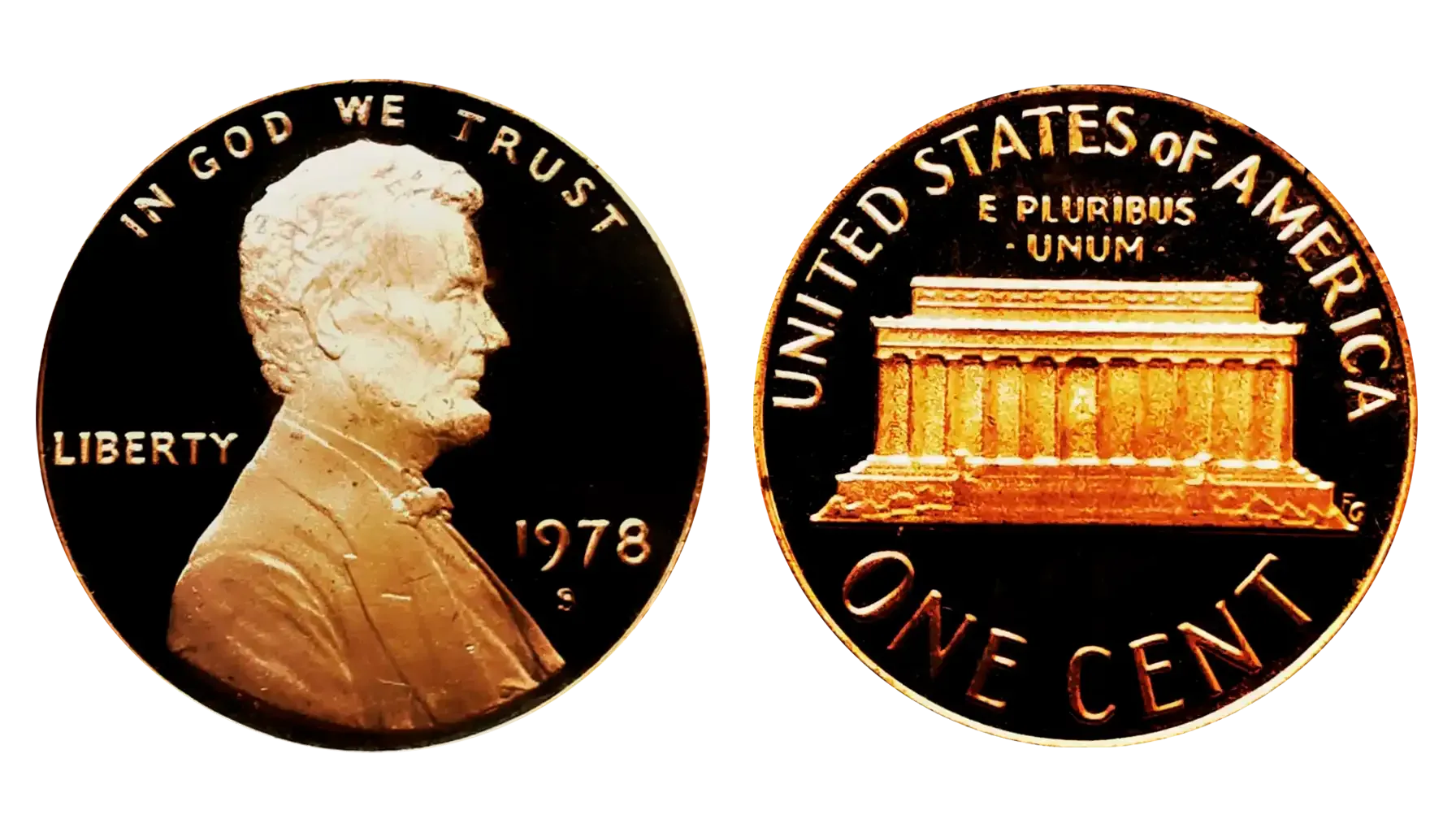
Reverse: In 1959, there was developed a new reverse design that featured the Lincoln Memorial, and it was the most noticeable modification of all. This new reverse, which was designed by Frank Gasparro, featured Lincoln sitting in the middle of the memorial and showed the iconic building in Washington, D.C.
Denomination | 1 Cent |
Weight | 3.11 grams |
Diameter | 19.05 mm |
Thickness | 1.52 mm |
Edge | Plain |
Mint Locations and Quantities
As usual, the 1959 was struck at three main facilities in the US, i.e., in Philadelphia, Denver, and San Francisco (for Proof coins). The Denver mint introduced a "D" mintmark = 1959 penny D, the Philadelphia mint produced coins without a mintmark at all, and the San Francisco mint produced Proof coins, which were issued in specially packaged sets.
The main part of more than 1.5 billion 1959 pennies that were produced in total were actually struck at the Philadelphia Mint. This is why the coin is comparatively common, but its design transition rather than its rarity is what makes it significant for sure.
Metal Composition
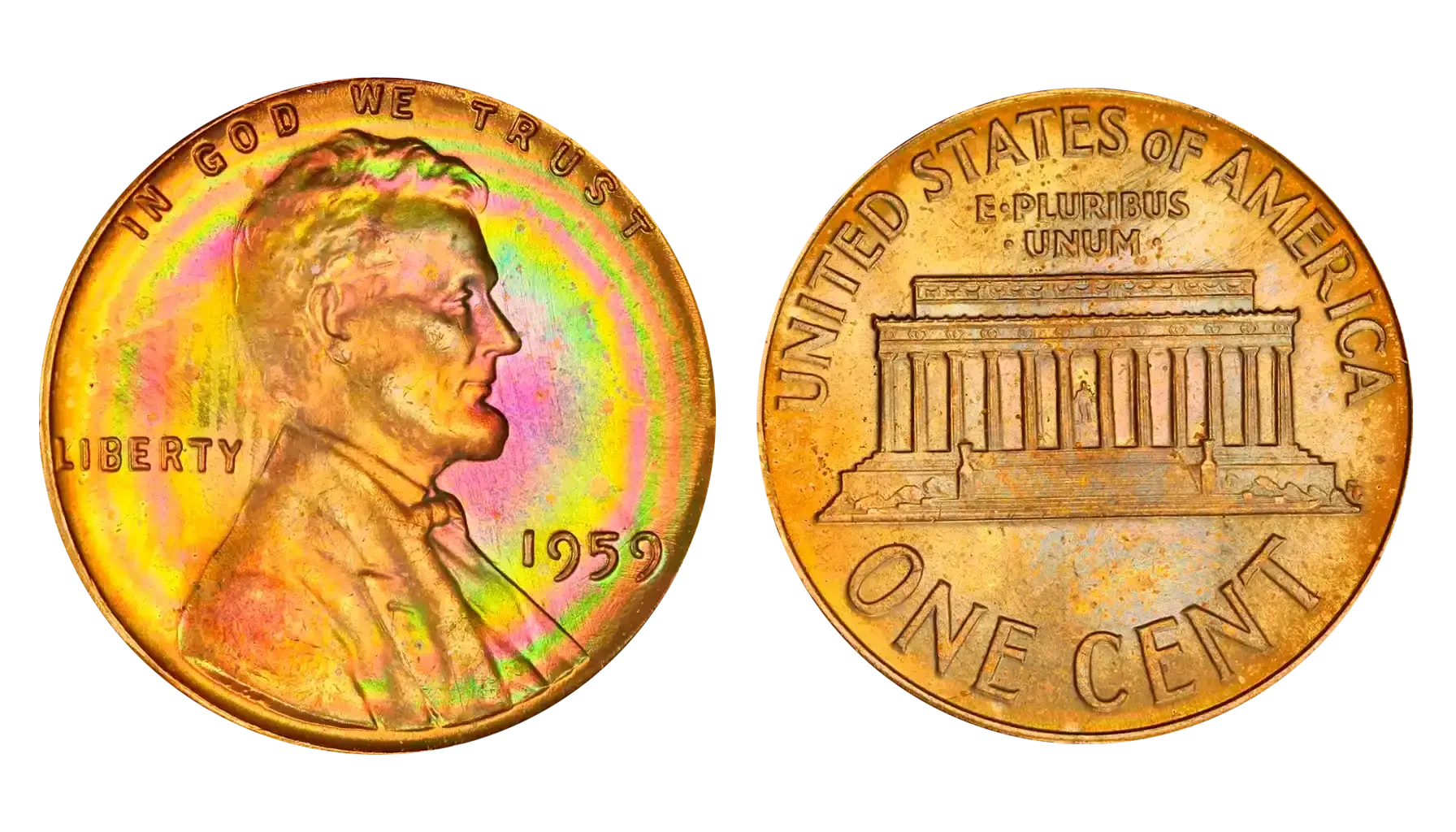
In fact, the composition of the 1959 Lincoln penny was the same as it had been since 1909, i.e., 95% copper, 5% tin, and zinc. And yes, the coin was aesthetically unique due to the copper's rich, reddish-brown color and reputation for durability.
This composition would not change until 1982 when the US Mint decided to lower expenses and use zinc as the primary metal for production. Thus, before these notable shifts in the composition of metal occurred, the 1959 specimen belonged (and still belongs) to a time of traditional coinage. But how much is a 1959 penny worth?
1959 Penny Value and Rarity
The problem of how significant a coin is to be usually appeals to a few factors. The worth and rarity can vary depending on a number of circumstances, including its condition, mintmark, any potential errors and deviations, and unusual versions (even though some of them are extensively circulated and not rare in regular circulation).
Related article: 1945 Wheat Cent Value Guide.
General Value of 1959 Penny
Circulated Condition: In most cases, a 1959 piece that is found in circulation is often worth its face value of one cent and no more. Because of their mass production, these pennies are rather common and are not considered desirable whatsoever.
Uncirculated Condition: Based on its exact grade (granted by numismatic authorities like PCGS or NGC), a 1959 penny in uncirculated or mint state condition (marked MS-60 or higher) might be worth $1 to $2 or more. These can usually be found in rolls of uncirculated coins or in coins that were kept in a safe place when they were first issued.
Do Mintmarks Affect the Value?
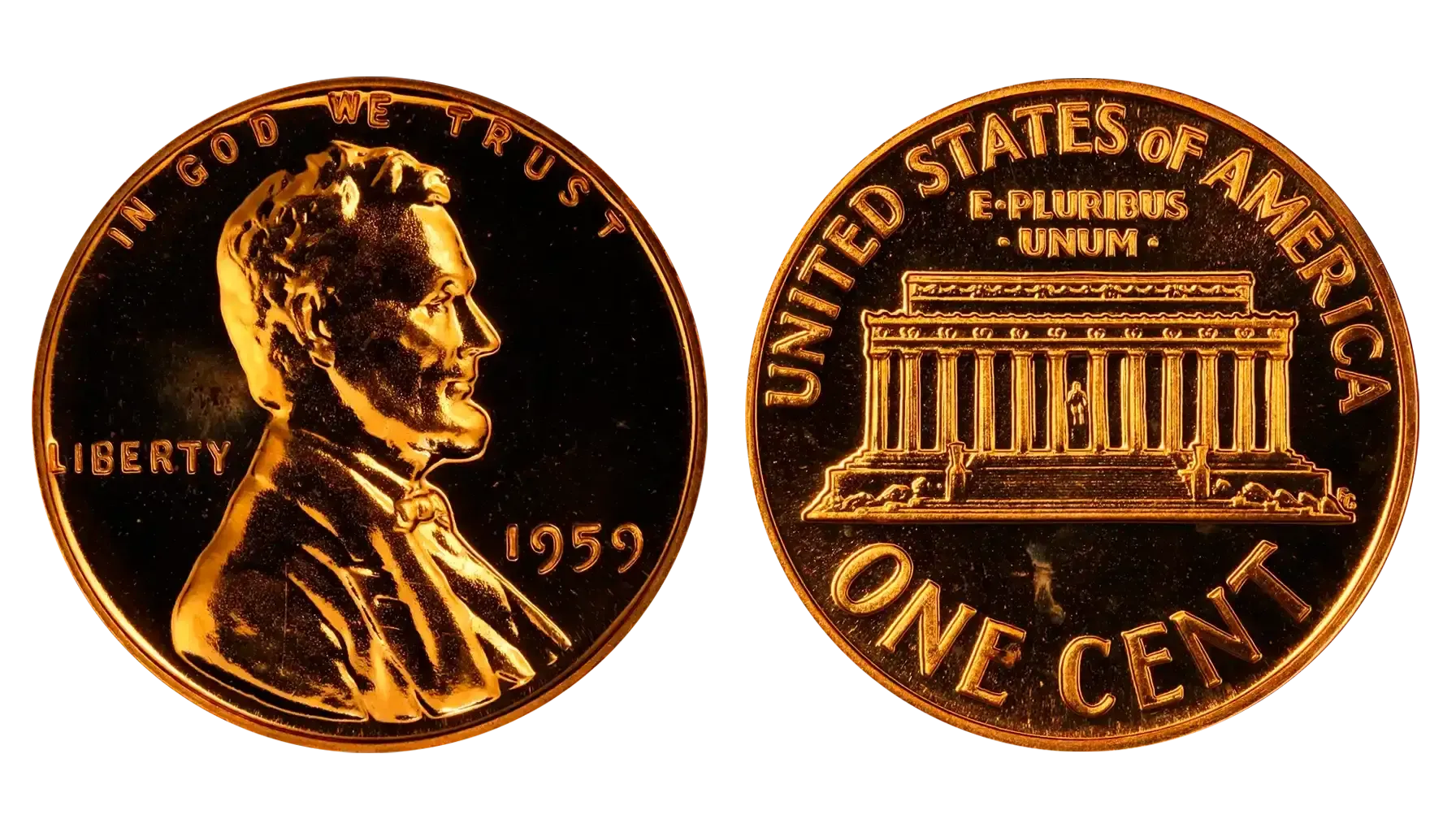
A mintmark may have a great impact on its value, as we have briefly covered before. For instance, the most common version usually comes from the Philadelphia Mint, and it has the lowest 1959 penny no mint mark value of them all. So, are 1959 pennies worth anything? Yes, but not as much as you might have expected.
Why Is A 1959-D Penny Worth So Much?
The coin itself is not inherently rare. Over 1.27 billion coins were struck at the Denver Mint, so most examples found in circulation are worth only a few cents. The reason some 1959-D pennies sell for much higher prices comes down to condition, color, and rarity in top grades.
Coins that survived in near-perfect condition are difficult to find. Certified examples graded MS67 Red or higher have a more expensive penny 1959 D value.
Why is a 1959 D penny worth so much if it is red? Copper coins change color over time. Collectors pay premiums for coins that still show the bright “Red” (RD) color they had when they left the mint. A 1959-D cent with full original red luster is much more valuable than one that turned brown.
Many collectors assemble complete Lincoln Memorial cent sets by date and mint mark. High-grade coins are needed for competitive registry sets, so demand focuses on the best-preserved examples.
Some 1959-D pennies show minting mistakes such as doubled dies or striking errors. These coins can sell for more than normal examples. For example, if you look at mule 1959 D penny error photos and listings, you may see rather high prices.
Grade | 1959 Penny Value No Mint Mark | 1959 D Penny Value | 1959 Proof Value |
G-4 | $0.02–$0.05 | $0.02–$0.05 | — |
F-12 | $0.05–$0.10 | $0.05–$0.10 | — |
XF-40 | $0.10–$0.25 | $0.10–$0.25 | — |
AU-55 | $0.25–$0.75 | $0.25–$0.75 | — |
MS60 | $1–$2 | $1–$2 | $2–$4 |
MS63 RB | $3–$5 | $3–$6 | $3–$5 |
MS65 RD | $10–$20 | $15–$30 | $5–$10 |
MS67 RD / PR69 DCAM | $500–$1,200+ | $1,000–$3,500+ | $50–$120+ |
Rare Varieties (1959 Penny Error List)
“The odds of only one coin being discovered after all this time... If you ask any coin expert who really understands the coin minting process, most will agree that the coin is not an authentic mint-made coin. One thing is for certain, the 1959-D Mule cent is definitely one of the most controversial coins in numismatics.”
— Jaime Hernandez, numismatist
PCGS
Off-Center Strikes: When the design is not correctly aligned during the minting process, this is a possible problem collectors look through all 1959 penny error photos and find valuable. Hence, this can be beneficial, especially if the error is severe and apparent.
Double Die Obverse: One of the most notable 1959 penny errors is a double die strike, in which the date and inscriptions on the obverse are conspicuously doubled.
1959 Proof Pennies
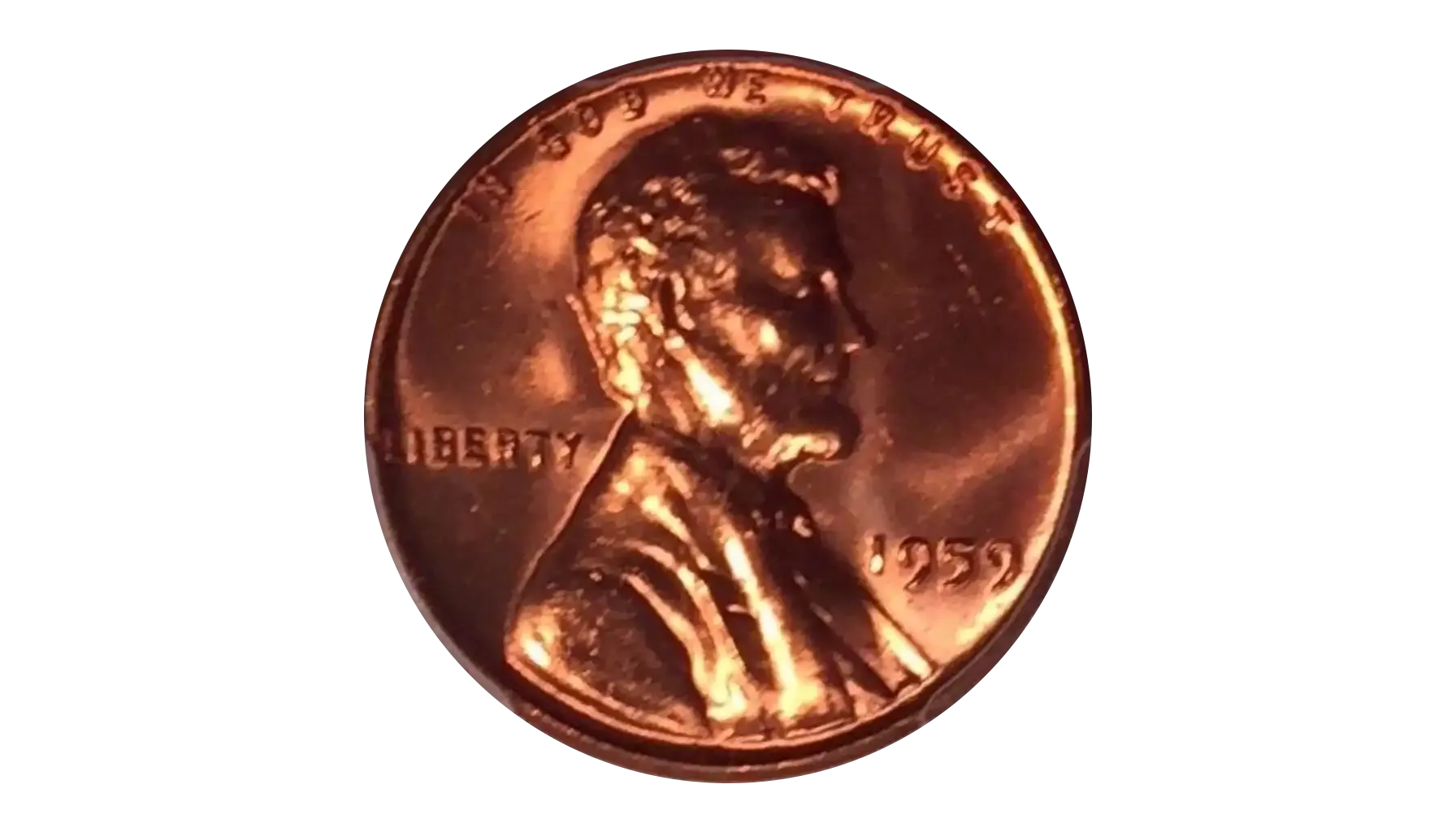
What is a 1959 penny worth if it is a proof version? It is an open secret that proof coins may be the most expensive options presented by the mint (apart from errors and those coins influenced by the collector’s demand). In this case, it is also true. The value of an excellent-graded Proof 1959 cent (PR-65 or better), for example, can range from $5 to $20 or more.
Is a 1959 Penny Worth Anything? Summary
Circulated (all varieties): Face value or slightly more ($0.01–$0.25).
Uncirculated: $1–$2 or more.
1959 S Proof: $5–$20 or more.
1959 error coins: Range from $10 to hundreds of dollars.
Collecting the 1959 Penny: How?
For those who value the background and design changes of US coins, collecting the can be a fulfilling and fun experience indeed. What should you take into consideration? Let us see.
Start with the Basics
Your 1959 penny condition will have a great impact on their worth and appeal. Remember that coins are graded according to how well the details are maintained and how worn they are. So, discover how to grade coins with the use of the Sheldon scale, which goes from Mint State (MS-70) to Poor (P-1). Since they will be more accessible and less expensive, start with gathering lower-grade circulated pennies and then eventually advance to better-quality proof or uncirculated coins.
Organize Your Collection by Year and Mintmark
One 1959 cent from each of the following mintmarks might make up a basic collection. If you are a professional numismatist who is interested in uncirculated or proof coins only, you might want to start with these higher-grade options. Remember that the 1959 no mint mark penny value is lower than others.
Employ Coin-Collecting Apps
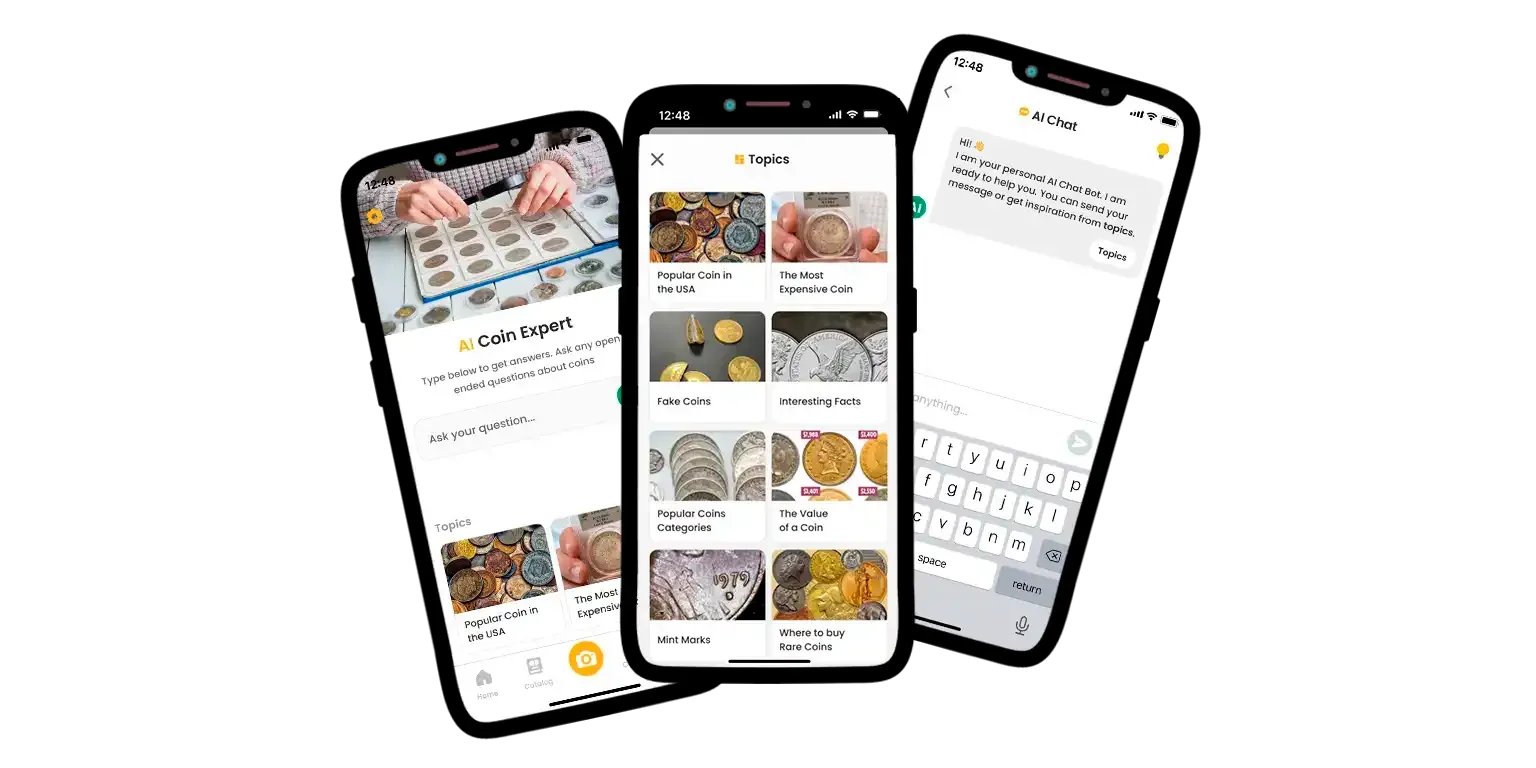
So as to explore the 1959 pennies worth money, it might be reasonable to appeal to a reputable coin assistant such as Coin ID Scanner or the like. These usually offer a few significant features for one to catalog and track the collection they own, access relevant price guides, explore educational resources, identify coins by photos, and communicate with the community no matter where you are and who you are. A great resource for learning more about your coins and a penny values chart 1959 to 2023.
Coins are valuable, but their value may be not of financial interest. So, do not look at those who strive to obtain the most expensive piece (unless you would like). Why not create a collection of your dreams?
FAQ
Is a 1959 penny worth any money?
Most specimens are common and usually worth only a small amount above face value. Circulated coins often sell for a few cents to about one dollar. Uncirculated examples with strong luster can sell for several dollars. The certified high-grade 1959 penny value D may bring more money.
What is special about the 1959 penny?
1959 was the first year of the Lincoln Memorial reverse design. Before that, Lincoln cents showed the Wheat reverse used from 1909 to 1958. The design change celebrated the 150th anniversary of Abraham Lincoln’s birth.
How much copper is in a 1959 penny?
The 1959 cent is made from a bronze alloy containing 95% copper and 5% tin and zinc. Each coin weighs about 3.11 grams, meaning most of the metal content is copper.
What is the mule error on a 1959 penny?
The alleged mule involves a 1959-dated coin paired with the earlier Wheat reverse design instead of the Lincoln Memorial reverse. This 1959 D mule penny would combine two different coin types in one strike. Reports of such coins exist, but authenticated examples remain controversial.
What is a 1959 proof penny?
It was made for collectors at the Philadelphia Mint. Proof coins were produced using polished dies and prepared planchets. They show mirrorlike fields and sharper detail than regular circulation coins.
Are there 1959 wheat pennies?
No official 1959 Wheat pennies were issued by the U.S. Mint. All standard coins dated 1959 use the Lincoln Memorial reverse. So, all articles about the 1959 wheat penny value are not true.
How do I know if my 1959 penny is rare?
Check the condition, look at unusual yet valuable 1959 D penny error photos and compare them with your coins’ mint errors, notice possible design varieties.
Why is the 1959 penny so valuable?
Most examples are not particularly valuable. Higher prices usually apply to coins in exceptional condition, rare proof pieces, or unusual 1959 D penny errors. The historical importance of the design change in 1959 also attracts collectors.

 Facebook
  X (Twitter)
  Pinterest
  LinkedIn