Contents:
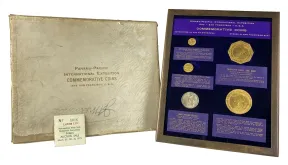
As most people believe, coins are round-shaped metal discs that hold specific values of both financial and aesthetic origins. Nevertheless, the numismatic sphere is a bit more diverse than one may imagine. The 1915 Panama Pacific International Exposition coins, for example, represent the unrecognized units of currency that boasted different values, designs, and shapes.
Indeed, the background of these pieces hides a vivid history and breakthroughs in the industry of numismatics. So, what were the circumstances that fueled the emergence of the 1915 Panama-Pacific Exposition coin? What do these items look like, and how do you select the best app to check coin value for your collection?
Historical Background of the Panama Pacific International Exposition 1915 Coin
The story behind the Panama Pacific Coin is rather simple yet vibrant, and it all started in 1915 when these specimens were minted to commemorate the Panama-Pacific Exposition in San Francisco. As such, this was dedicated to two major events precious to the locals, i.e., the completion of the Panama Canal and the recovery of the city from the 1906 earthquake.
During that period, the US was witnessing drastic changes, especially in the spheres of technology, economy, and cultural development. To praise and celebrate these achievements, the US Mint was authorized to produce commemorative coins in five denominations, each of which might boast unique designs of tradition and innovation. These included a silver half dollar, gold instances of $1 and $2.50, and two large $50 gold coins of different shapes.
The American symbolism was proven through classics and time.
Types of Coins Issued
Collectors are strange people. As a rule, they do not really think about what to take and how to collect, yet this case regarding a few types, including the 1915 Pan Pacific $50 gold coin, represents an unusual but rewarding experience.
As it is promoted by the media, these are widely celebrated for their artistry and historical significance, so what is so unique about their designs and the set in general? What is the relevant 1915 Panama Pacific octagonal gold coin value? Let us see the mintage circulations.
“The Panama-Pacific coins were not available when the exposition opened … the Mint was required to go into a hurry-up mode to design and produce them.”
— Johnmilton, user nickname
Forum post on CoinTalk, Sep 12 2019
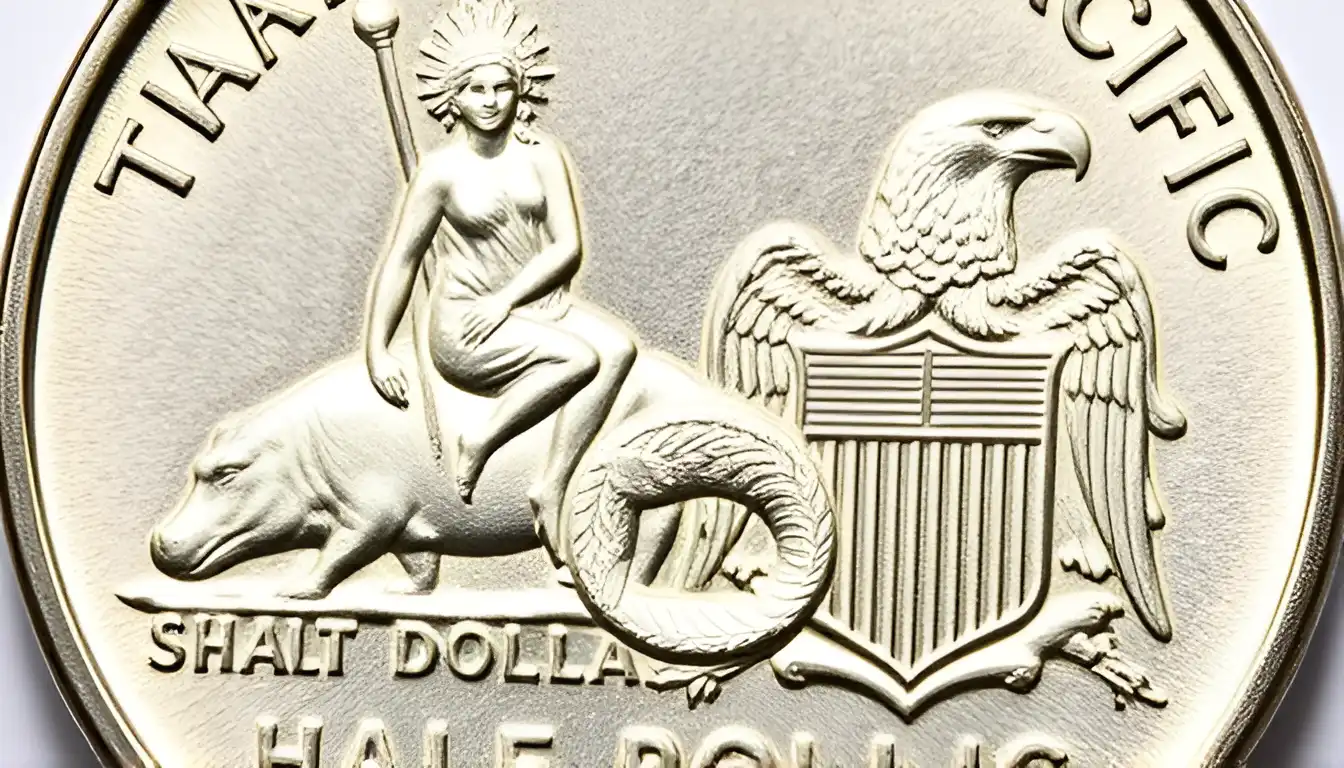
Panama-Pacific Half Dollar
Denomination | 50 cents (silver) |
Design | The obverse with a figure of the allegorical Columbia, and the reverse with an eagle perched on a Union shield. |
Designer | Charles E. Barber and George T. Morgan |
Auction Record | $66,125 |
Mintage | 27,134 pieces |
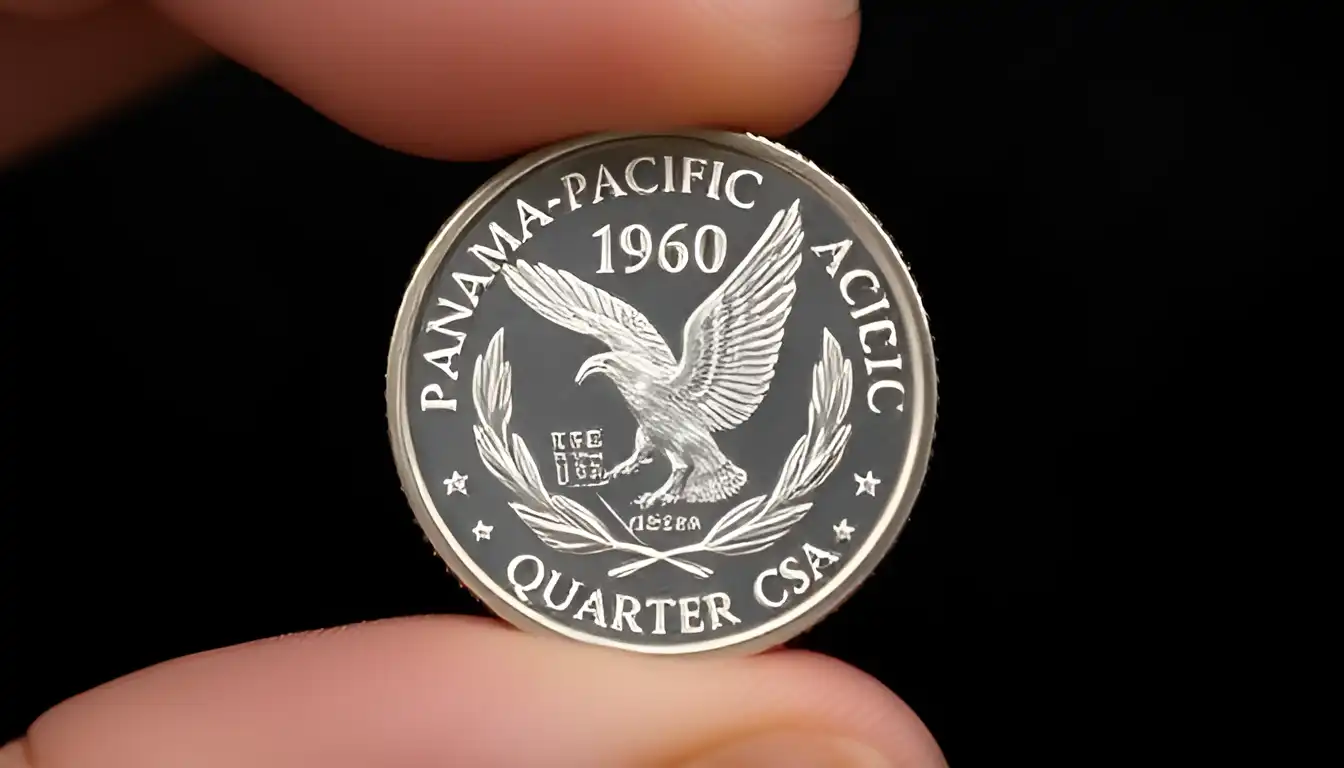
Panama-Pacific Gold Dollar
Denomination | $1 (gold) |
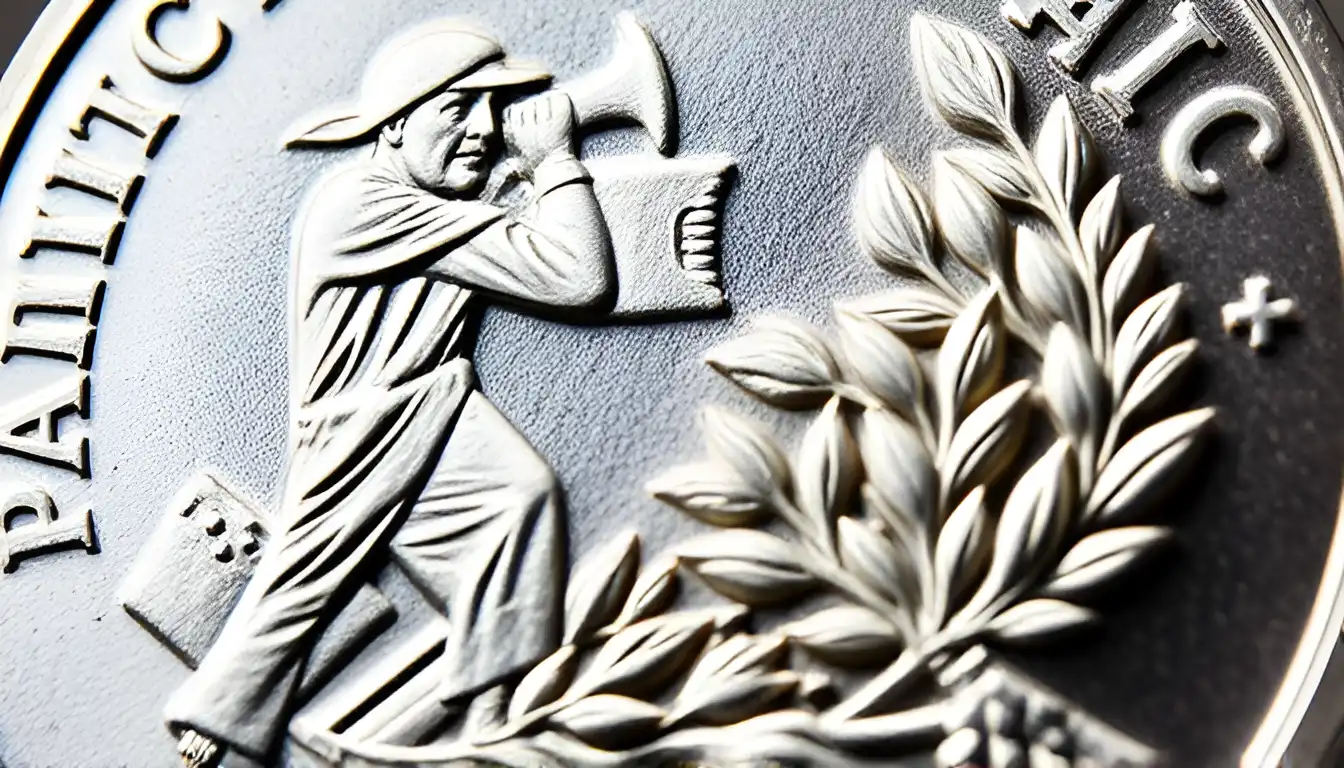
Design | The obverse with a Panama Canal laborer, and the reverse with dolphins above and below the denomination. |
Designer | Charles Keck |
Auction Record | $21,600 |
Mintage | 15,000 pieces |
Panama-Pacific Quarter Eagle
Denomination | $2.50 (gold) |
Design | The obverse with the goddess Columbia on a hippocampus, and the reverse with a majestic eagle. |
Designer | Charles E. Barber |
Auction Record | $26,400 |
Mintage | 6,749 pieces |
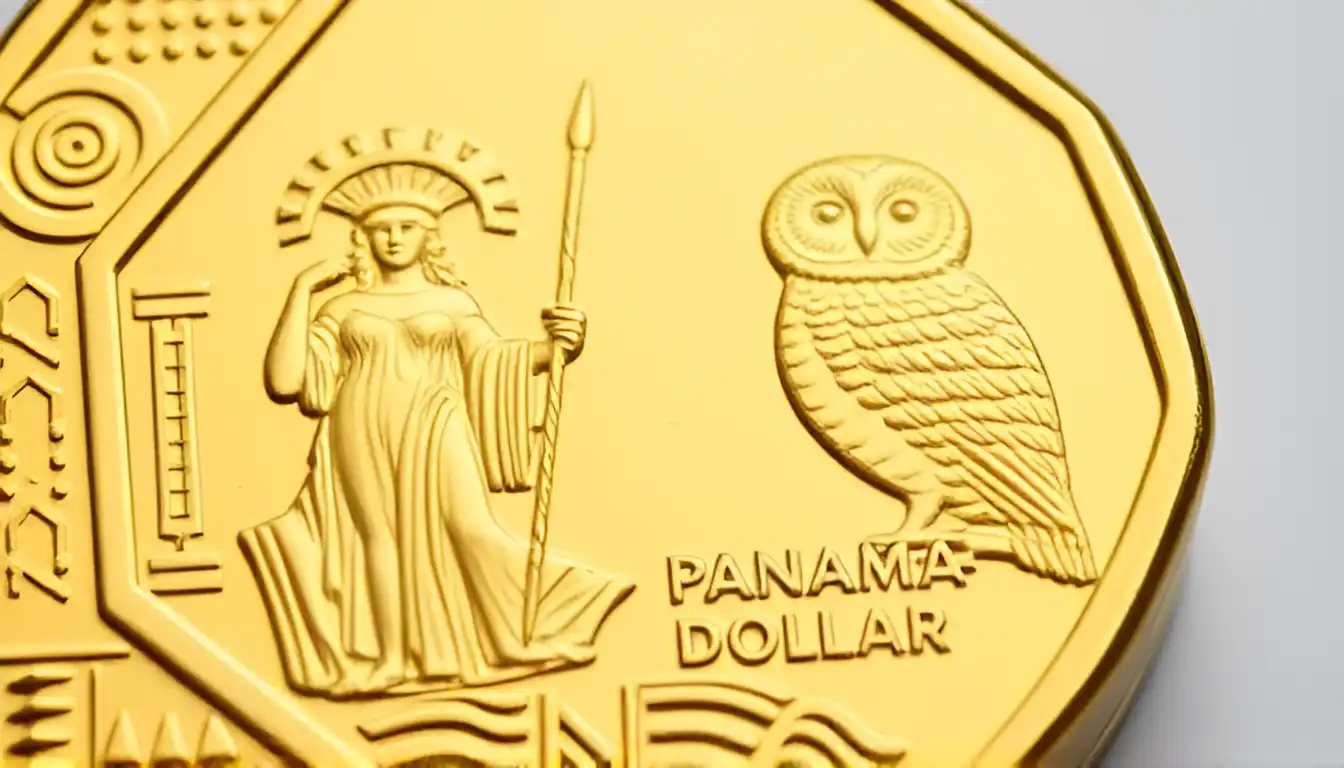
Panama-Pacific Fifty Dollar Gold Coin (Round)
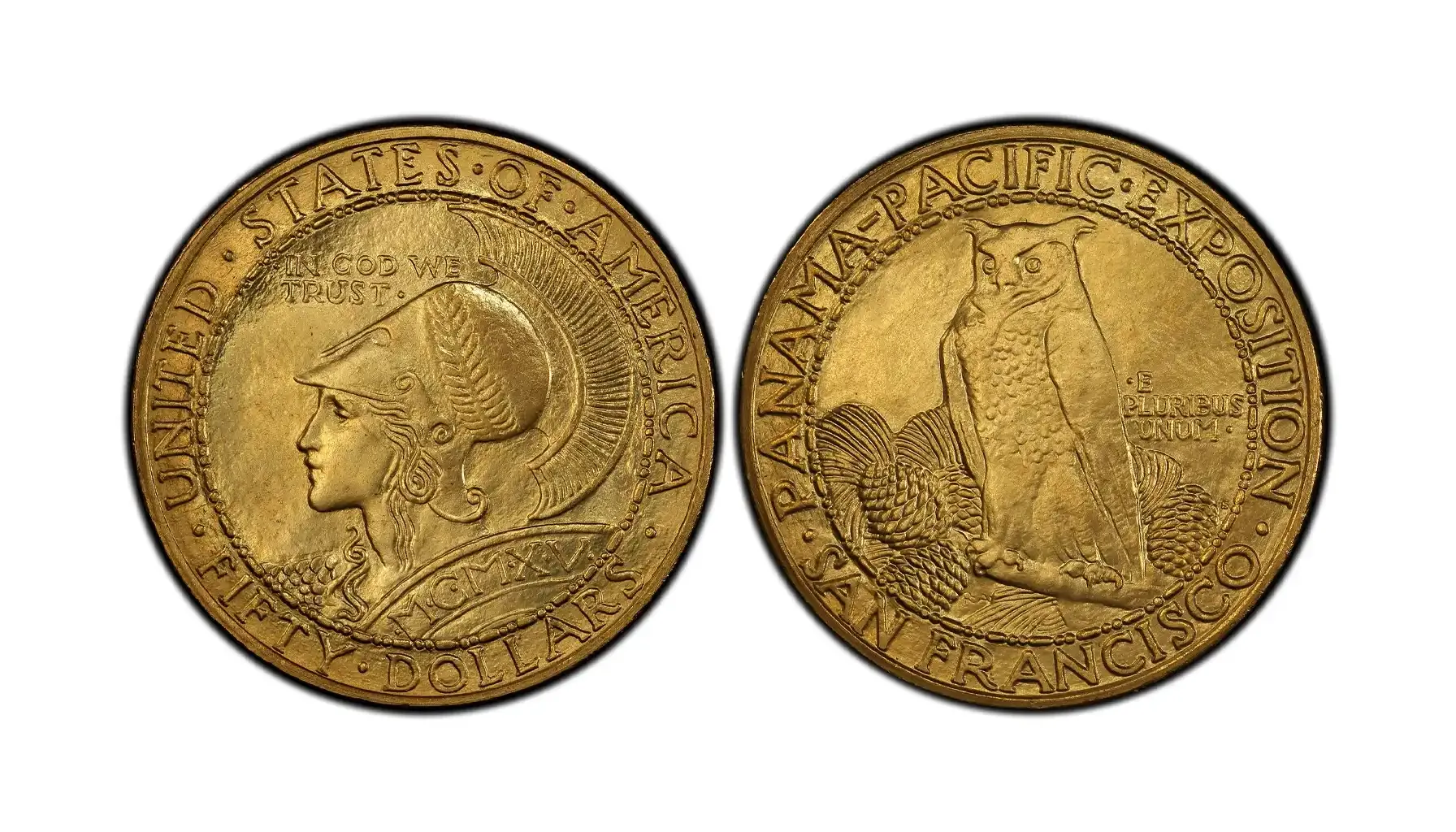
Denomination | $50 (gold) |
Design | The obverse with a bust of Minerva (i.e., the Roman goddess of wisdom, agriculture, and more) and the reverse with an owl perched on a Ponderosa Pine |
Designer | Robert Aitken |
Auction Record | $432,000 |
Mintage | 483 pieces |
1915 Panama Pacific Octagonal Gold Coin
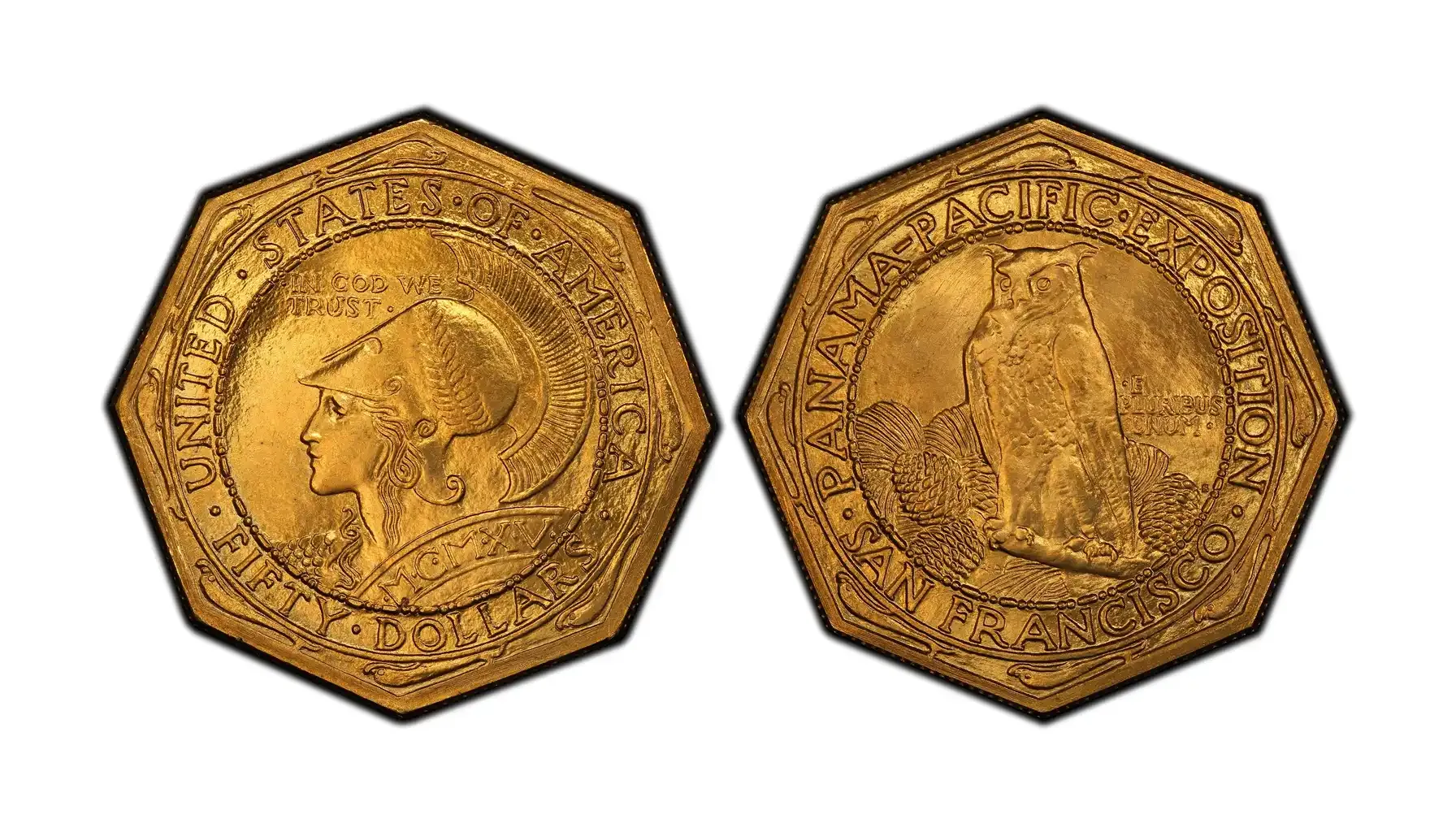
Denomination | $50 (gold) |
Design | The same obverse and reverse with Minerva and an owl respectively though of its eight-sided shape (the only octagon coin in the US Mint history). |
Designer | Robert Aitken |
Auction Record | $289,671 |
Mintage | 645 pieces |
Unconventional Coin with The One-of-a-Kind Shape
All of them are generally the same: they are made of metal and round-shaped. Nevertheless, the set of Panama Pacific Exposition 1915 coins comprised a unique option, i.e., the octagonal gold coin that presents the highest level of collectible value. In fact, the Panama-Pacific fifty-dollar gold coin appeared in two forms, i.e., round and octagonal, the designs should not really differ (even though the spacing between elements was adapted for them to be clearly visible on both types).
Also read: Edward VII coins.
FAQ
How much is a 1915 gold sovereign coin worth?
The 1915 gold sovereign is not part of the Panama Pacific Exposition series. The official gold ones from the exposition were the 1915-S Panama Pacific $1, $2.50, $50 round, and $50 octagonal pieces. Their values depend on grade — from a few hundred dollars for the smaller pieces to tens of thousands for the $50 pieces in mint condition.
How much is $1 in Panama money?
At the time of the exposition, the U.S. dollar and the Panamanian balboa were already equal in value. The Panama Pacific $1 gold specimen was issued by the United States Mint in San Francisco and denominated in U.S. currency, not balboas.
Can you use Panama coins in the US?
Panama Pacific Exposition ones were U.S. commemoratives, not Panamanian issues, so they were legal tender in the United States. Modern Panamanian pieces are not legal tender in the U.S., even though they match U.S. sizes.
Is a 1966 Panama coin silver?
The 1966 Panamanian 1 Balboa was struck in 90% silver, but it has no connection to the 1915 Panama Pacific Exposition collection, which included U.S. commemoratives in gold and silver.
Is Panama US currency?
Panama uses the U.S. dollar for paper money and its own balboas for small denominations. The Panama Pacific Exposition pieces, however, were entirely U.S. Mint products; they celebrated the opening of the Panama Canal and the exposition held in San Francisco in 1915.
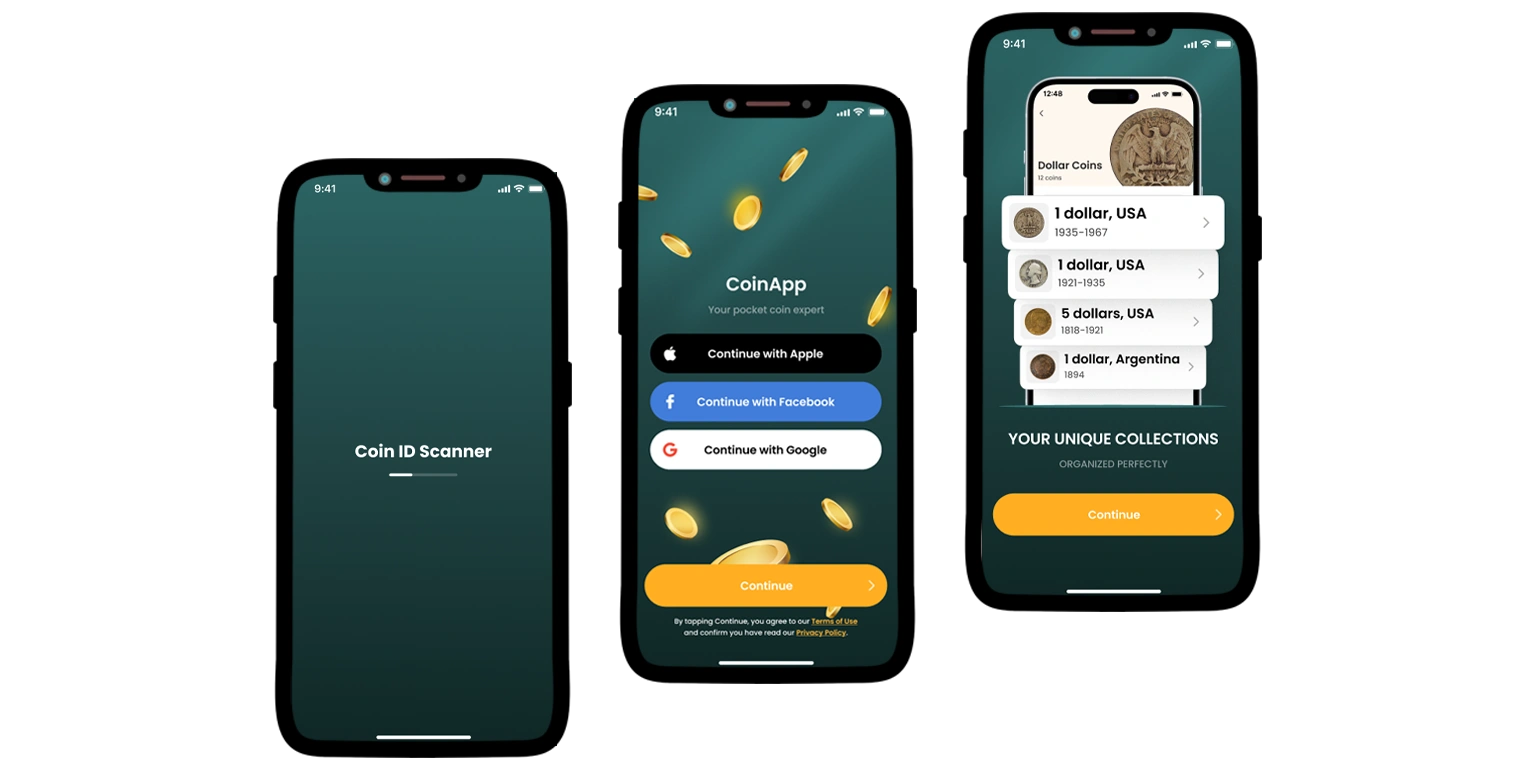
Employ Numismatic Software like Coin ID Scanner
Sometimes it may be hard to identify a numismatic specimen or evaluate how good its condition is.
For those who are not sure about their skills and expertise, the industry presents Coin ID Scanner, an innovative tool for quick identification by photo, collection management, numismatic explorations, and more.
Scan your pieces with the use of a camera, identify their origins, compile a collection, inquire about any concerns, and enjoy.
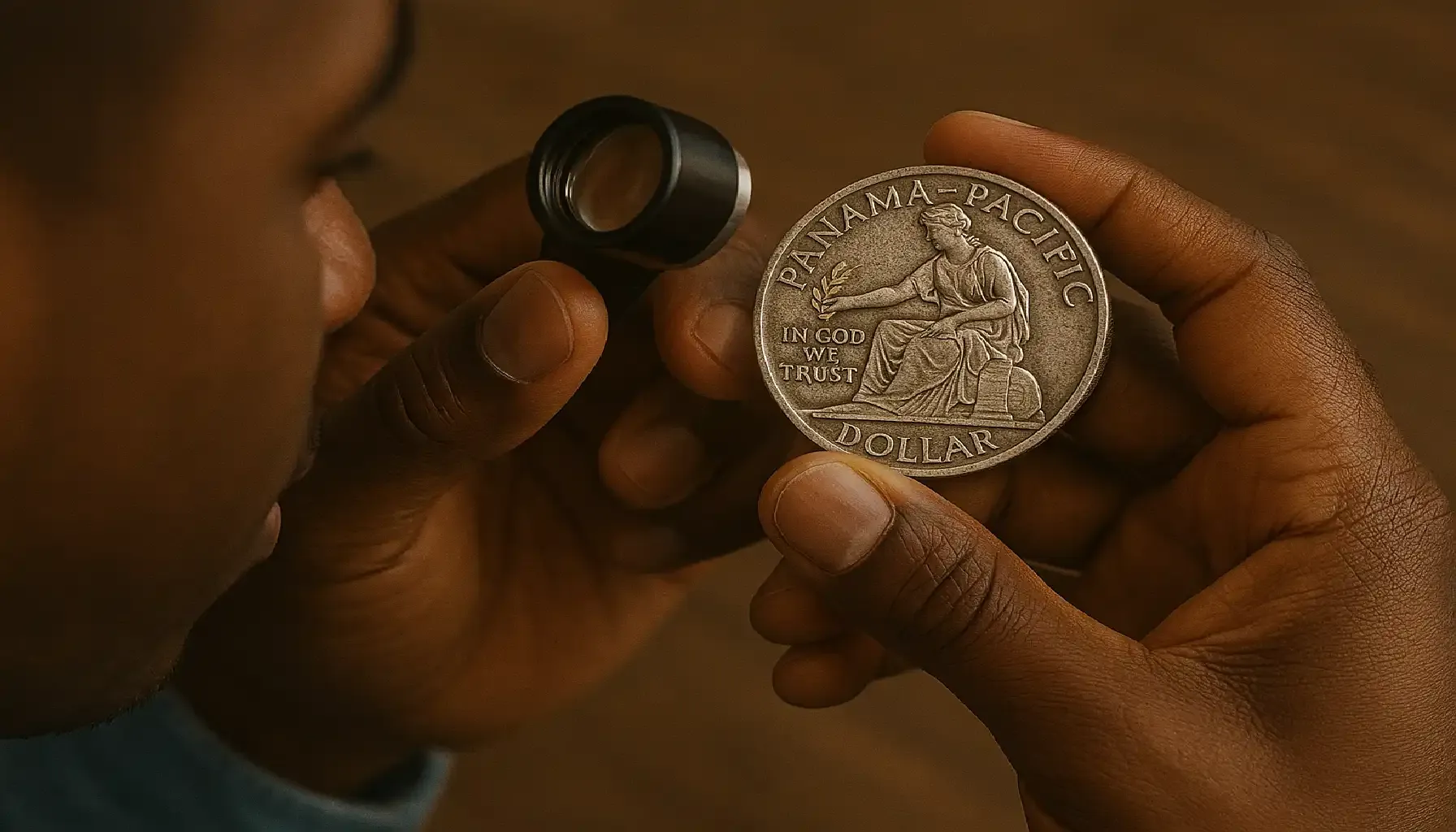
Identification by photo
You can take or upload a clear picture of a Panama Pacific specimen, and the app identifies it automatically. It shows the name, denomination, year, and country.
Detailed information
After the piece is recognized, the app displays main details like weight, diameter, composition, and mintage.
Values
The app provides market estimates for each coin. It’s a quick way to see how much it might be worth before checking auction results.
Collection management
You can save each piece in your digital collection, record its grade, and note where or when it was purchased. This makes it easier to track your holdings and organize commemorative issues.
Filters allow you to sort coins by metal, denomination, or year. This helps you find other early U.S. commemoratives or related pieces in the same period.
Conclusion
The Panama-Pacific series is considered one of the most remarkable commemorative issues in the US minting history. Though the events did not affect the world’s population drastically, the coins devoted to the local experiences attract collectors up till these days with innovator’s influence, global experience, and culturally proven definitions behind.

 Facebook
  X (Twitter)
  Pinterest
  LinkedIn